
The Agriculture and Horticulture Development Board (AHDB) has published its first UK cereal balance sheets for 2026/27, covering wheat and barley, and they show tighter supplies of both.
Total wheat availability is estimated at 16.338 million tonnes (Mt), down 215,000 tonnes on the year. The fall comes from very low opening stocks, put at 1.514 Mt, 466,000 tonnes lower, which slightly higher production and imports only partly offset.
The 2026 wheat harvest is estimated at 12.074 Mt, up 116,000 tonnes, as a slightly better average yield made up for a small fall in area. Yields varied widely, with little rain in the southern half of England, and output remains below the five-year average. Wheat imports are forecast at 2.750 Mt, up 135,000 tonnes, but imports of high-specification milling wheat should be minimal because much of the UK crop exceeds the protein requirements.
Domestic wheat use is forecast to fall by 124,000 tonnes to 13.979 Mt, mainly from lower human and industrial use. Animal feed use is put at 7.249 Mt, much the same as last season. What goes into feed rations will depend on lower barley and oat supplies, the benefit of higher-protein domestic wheat, and the price of imported maize in different parts of Great Britain and Northern Ireland.
Barley is the bigger story. Total availability is estimated at 7.201 Mt, down 658,000 tonnes or 8%, because the crop is the smallest since 2012/13. A smaller planted area and very mixed yields put production at 5.614 Mt, down 753,000 tonnes. Opening stocks are 1.337 Mt, slightly up and above the five-year average.
Barley use is forecast at 6.001 Mt, down 39,000 tonnes, with feed use steady at 4.393 Mt; the amount fed on farms is expected to hold because farmers need to replace forage over winter. Feed barley is competitively priced against other feed grains for now, but with a tighter balance sheet that could change during the season.
Reporting by Richard Halleron for Agriland.
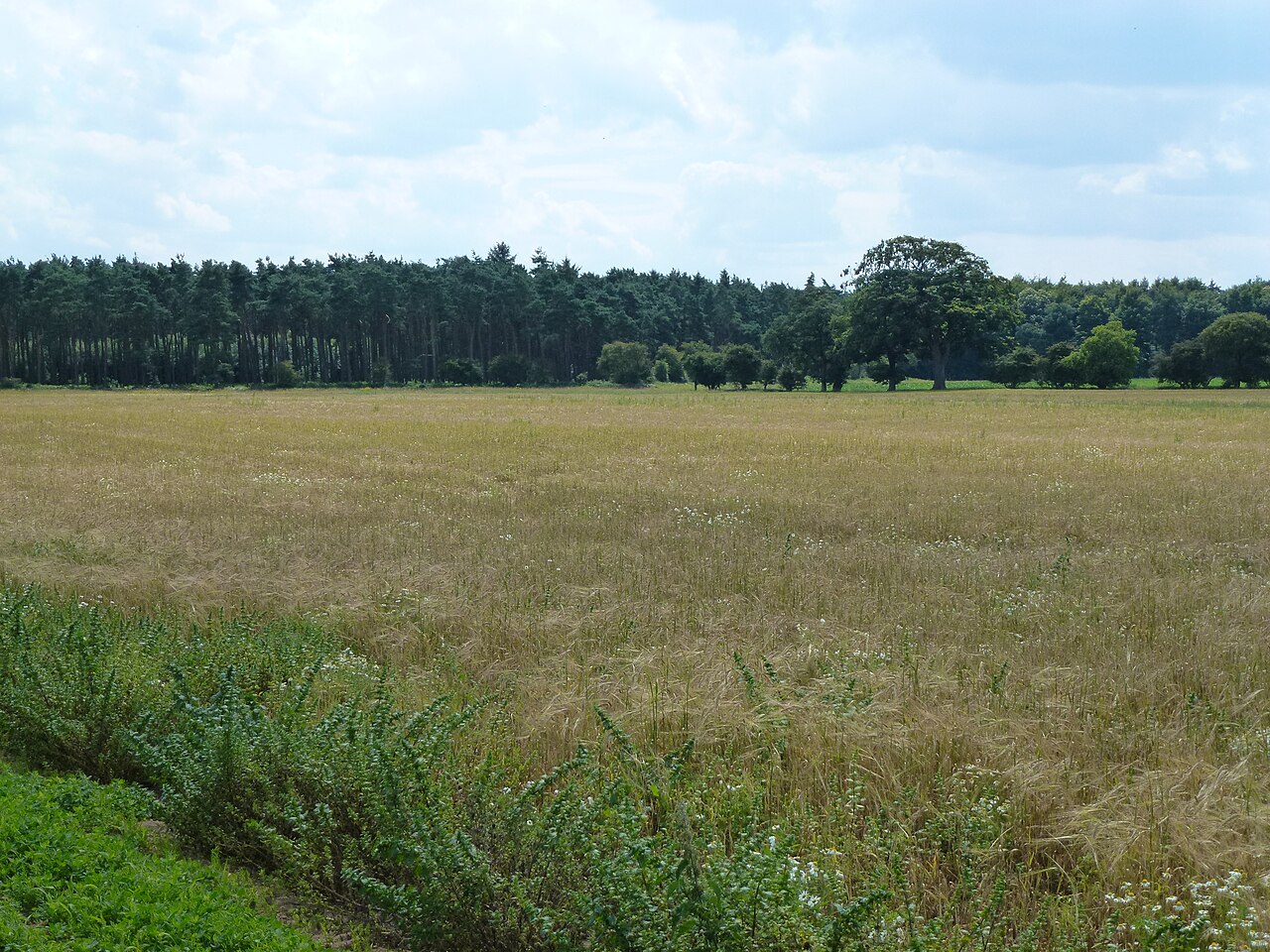
Photo: Richard Humphrey / Wikimedia Commons (CC BY-SA 2.0)
Source: Agriland


Comments
(0)