
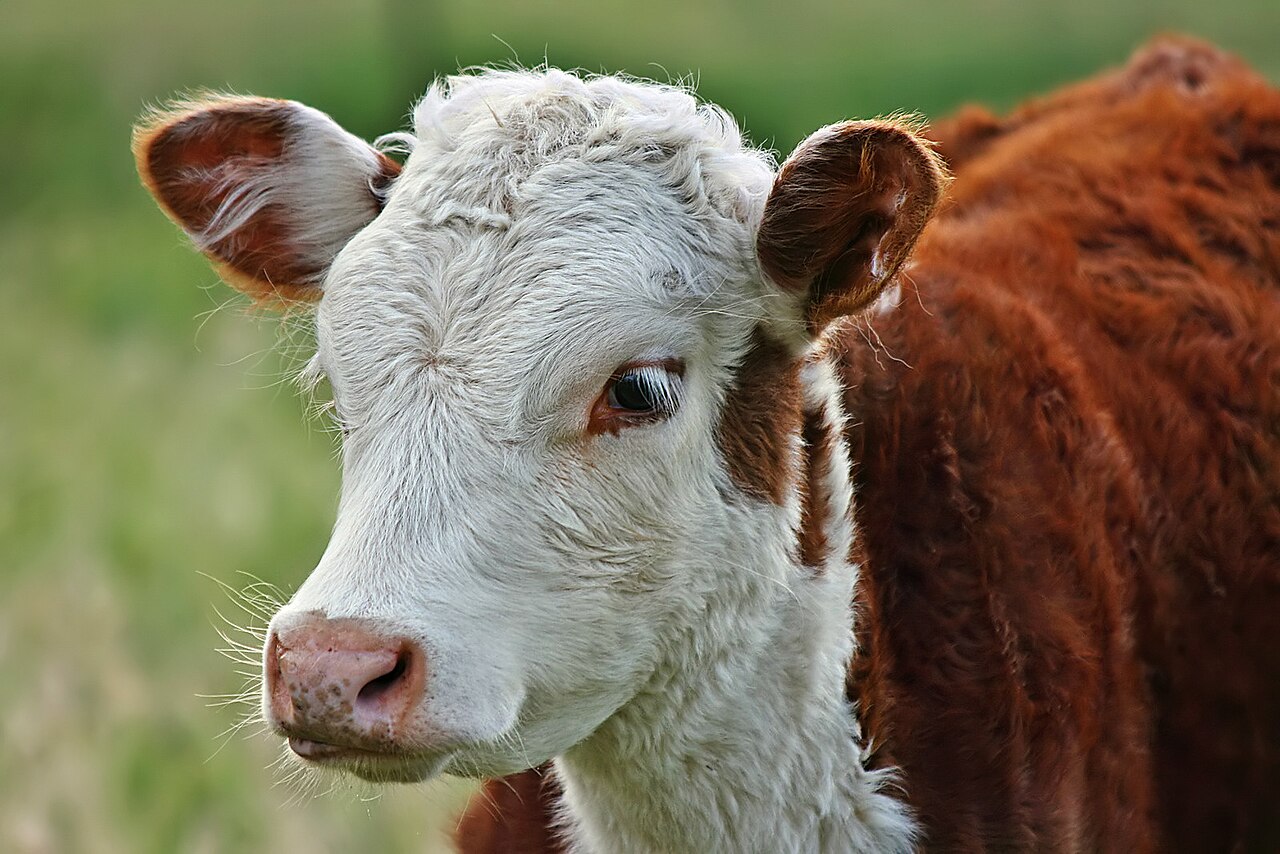
Global beef production will dip again next year, by 0.1%, after an estimated 1.5% fall this year, according to Rabobank's Global Beef Quarterly for the fourth quarter of 2026. The bank expects the same forces as this year to shape the market: lower supplies, higher costs, squeezed margins and shifting trade.
The changes differ sharply by country. Brazil's output is expected to contract by 3%, and the EU, UK and China each face a 1% fall. US production should stay roughly flat, growing by less than 1%, while Australia and New Zealand are forecast to grow by 3.5% and 8.8%.
"With limited supplies, cattle prices across most regions are expected to stay close to current high levels through 2027," the report said. Costs will stay high too: fuel because of the conflict in the Middle East and the war in Ukraine, and feed slightly higher, though uncertain. How much consumers will pay will be "a big factor", Rabobank said.
Prices are already at records in many places. In May, the FAO bovine meat price index was up 17% on the year at its highest recorded level, while poultry prices rose only 3% and pork prices fell 8%, a gap that can push households under cost-of-living pressure towards pork and chicken.
Rabobank called 2026 "one of the most protectionist years for global beef trade". China introduced a tariff-rate quota with individual allocations for supplying countries; the US set specific beef quotas for the UK and Argentina; Indonesia moved its beef import allocation to state enterprises. In September the EU suspended imports of Brazilian beef for failing antimicrobial requirements, which the bank expects to support European prices.
EU beef imports had been rising, up 9% in the first eight months of 2026, but growth should slow as Brazil is "likely to remain excluded from the EU market in 2027". Brazil, which has also reached its safeguard quota in China, will need to diversify; the US, Mexico, Chile, Egypt, Russia, the Middle East and Southeast Asia should gain importance, though they cannot fully replace China.
Reporting by Aisling O'Brien for Agriland.
Photo: Jjron, edited by Fir0002 / Wikimedia Commons (CC BY-SA 3.0)
Source: Agriland

Comments
(0)