
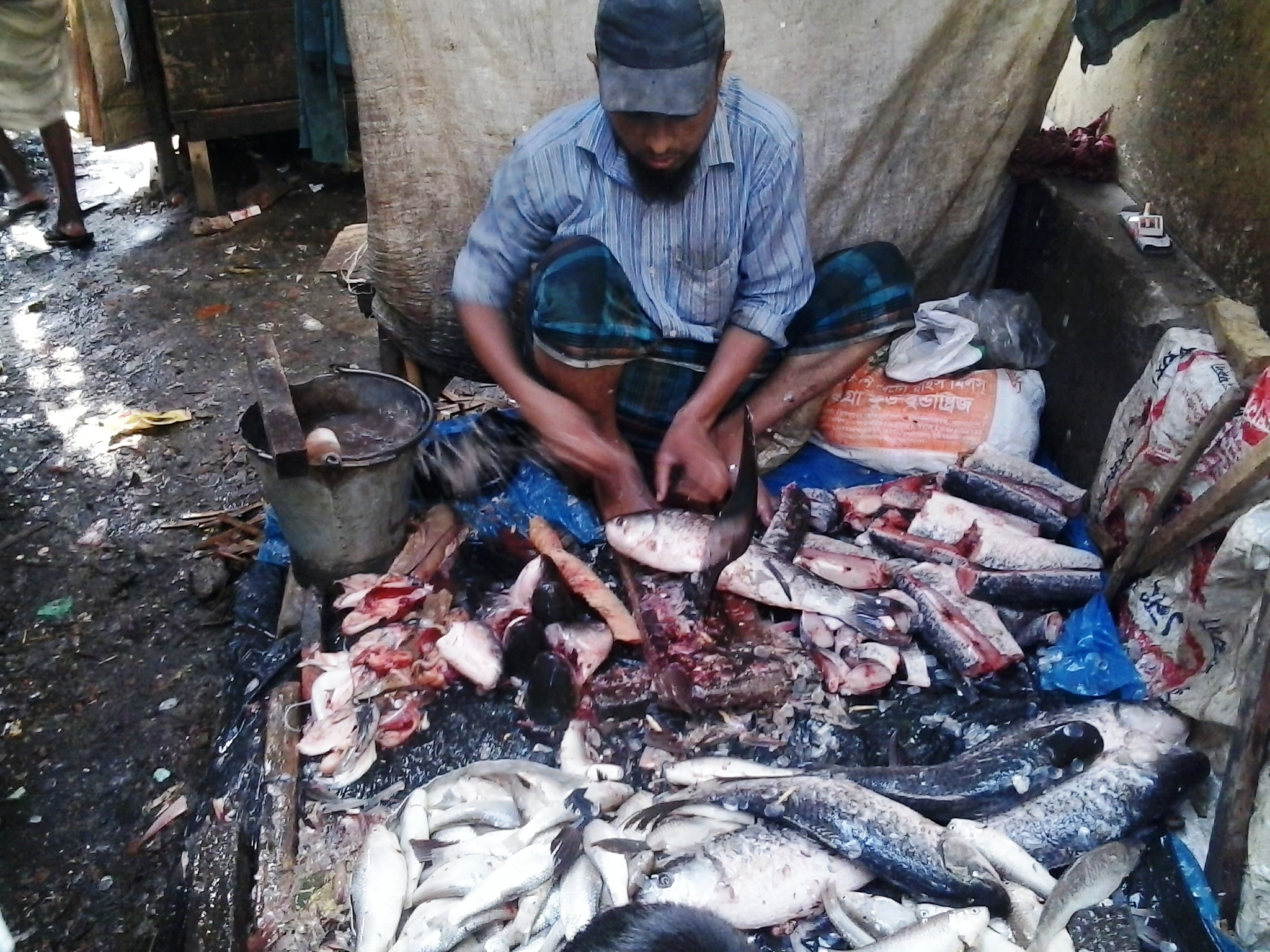
On Sunday 31 May 2026, the last day of the long Eid-ul-Azha holiday, trade at the Jatrabari kitchen market and fish depot in Dhaka had still not picked up. Many people who had gone to their villages for Eid had not yet returned to the capital, and a market normally full of bustle and noise looked very different. Fruit shops, however, did see some customers. Jagonews24 described the scene after visiting the depot that day.
Eid-ul-Azha was celebrated in Bangladesh on 28 May 2026. The government had declared a seven-day holiday for it, from 25 to 31 May, with offices due to reopen on 1 June. Jatrabari is a thana of Dhaka South City Corporation, at the point where the Dhaka-Chittagong Highway begins.
Few buyers and thin supplies at the depot
Fish trader Swapan Das, sitting at his open stall, told Jagonews24 that many people had not yet come back from their villages, and with few buyers, fish arrivals were also low. Gias Uddin, a trader at the Jatrabari kitchen market, said there is usually a heavy rush after Eid, but this time the market had not got going: goods were scarce and so were sales. Not all shops had opened yet.
According to the depot's transport owners' association, goods trucks from the districts had not returned to normal, so fresh produce was in short supply. People in the trade expected the Jatrabari depot and nearby markets to be back at full pace within two or three days.
Mango and lychee at the fruit shops
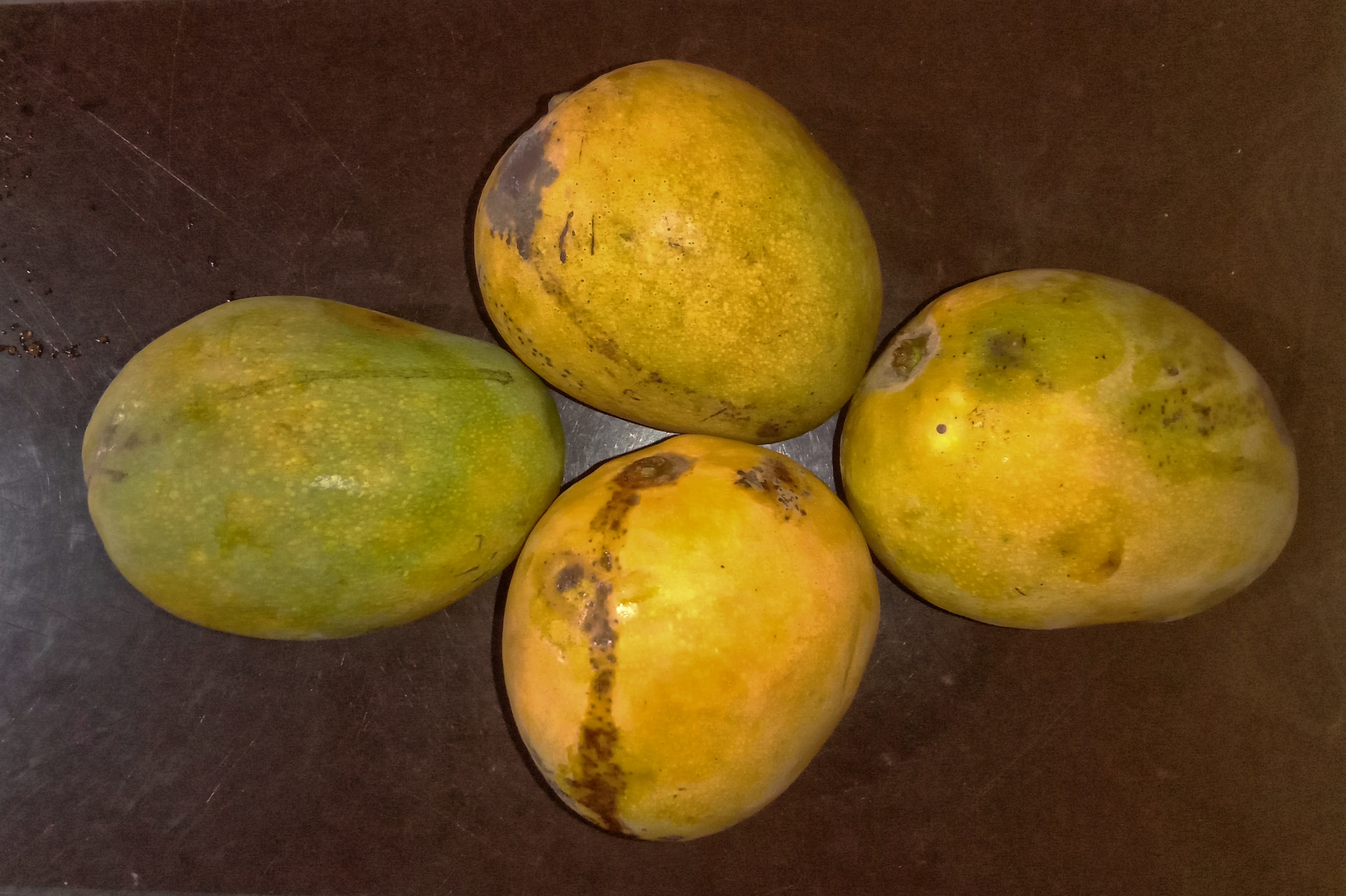
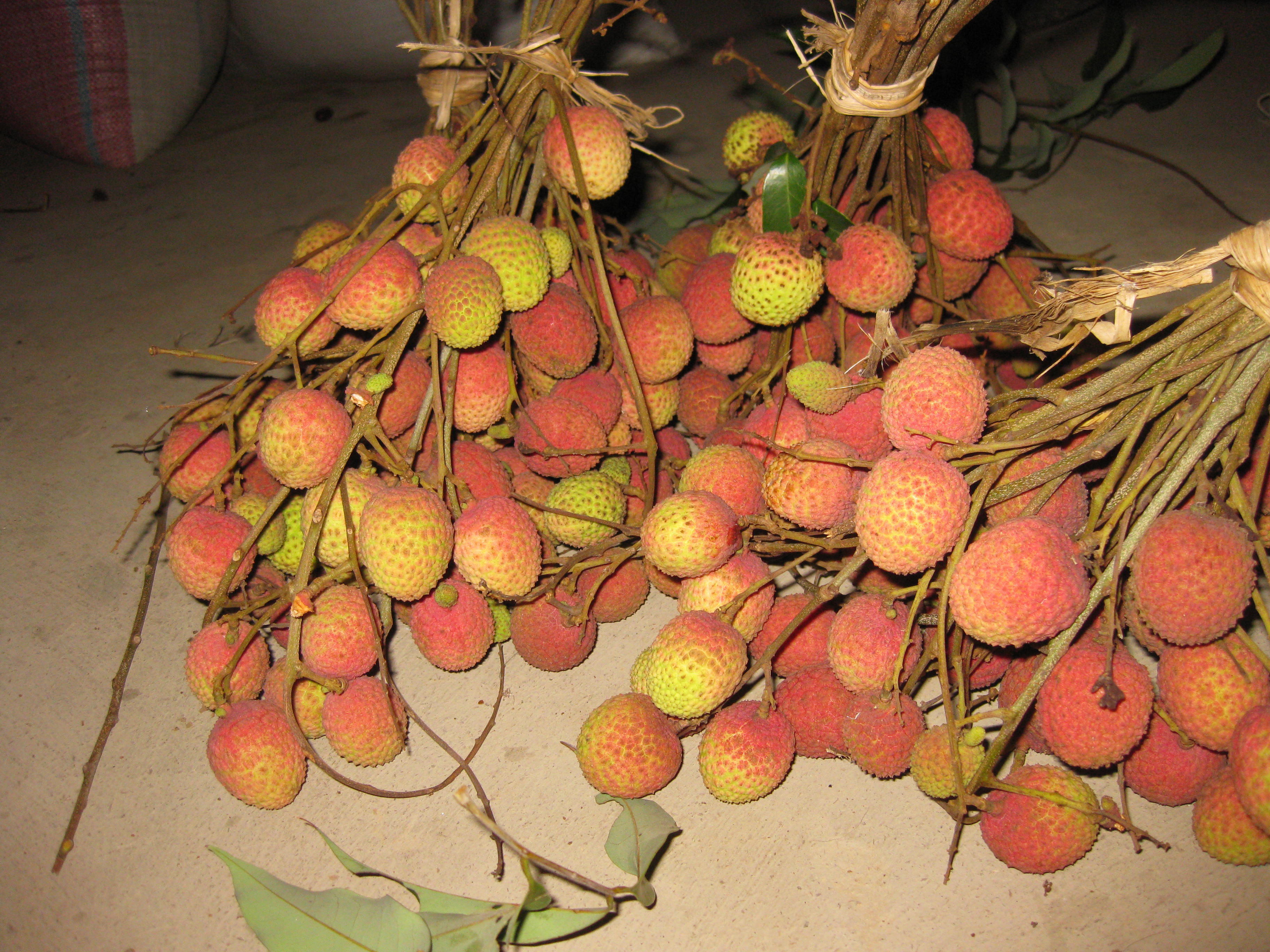
Mango and lychee were the best sellers that day. Himsagar was still the only mango variety on the market, and after it lychee sold most. Dragon fruit, malta, apples and oranges were also on sale. Sellers said lychee prices were the same as before Eid, though they had been somewhat higher on the previous Friday.
According to Wikipedia, Himsagar is a medium-sized, fibreless mango that ripens in May and is usually on the market from the second week of May to the end of June; in Bangladesh it is grown mainly in Chapai Nawabganj district.
Vegetables a little cheaper, fish expensive
Sellers said vegetables were relatively cheap, but fish prices had risen because supply was short; they expected prices to settle the following week. A seller named Kashem said there was hardly any demand for meat, since every household had meat after the Qurbani sacrifice, and vegetable sales were also slow.
Fahim Munshi, who had come to buy fish, said guests and family events at home had increased after Eid, raising demand for fish, while the shortfall in supply meant sellers were asking a little more. Shrimp, normally cheaper, seemed a bit dearer that day, he said.
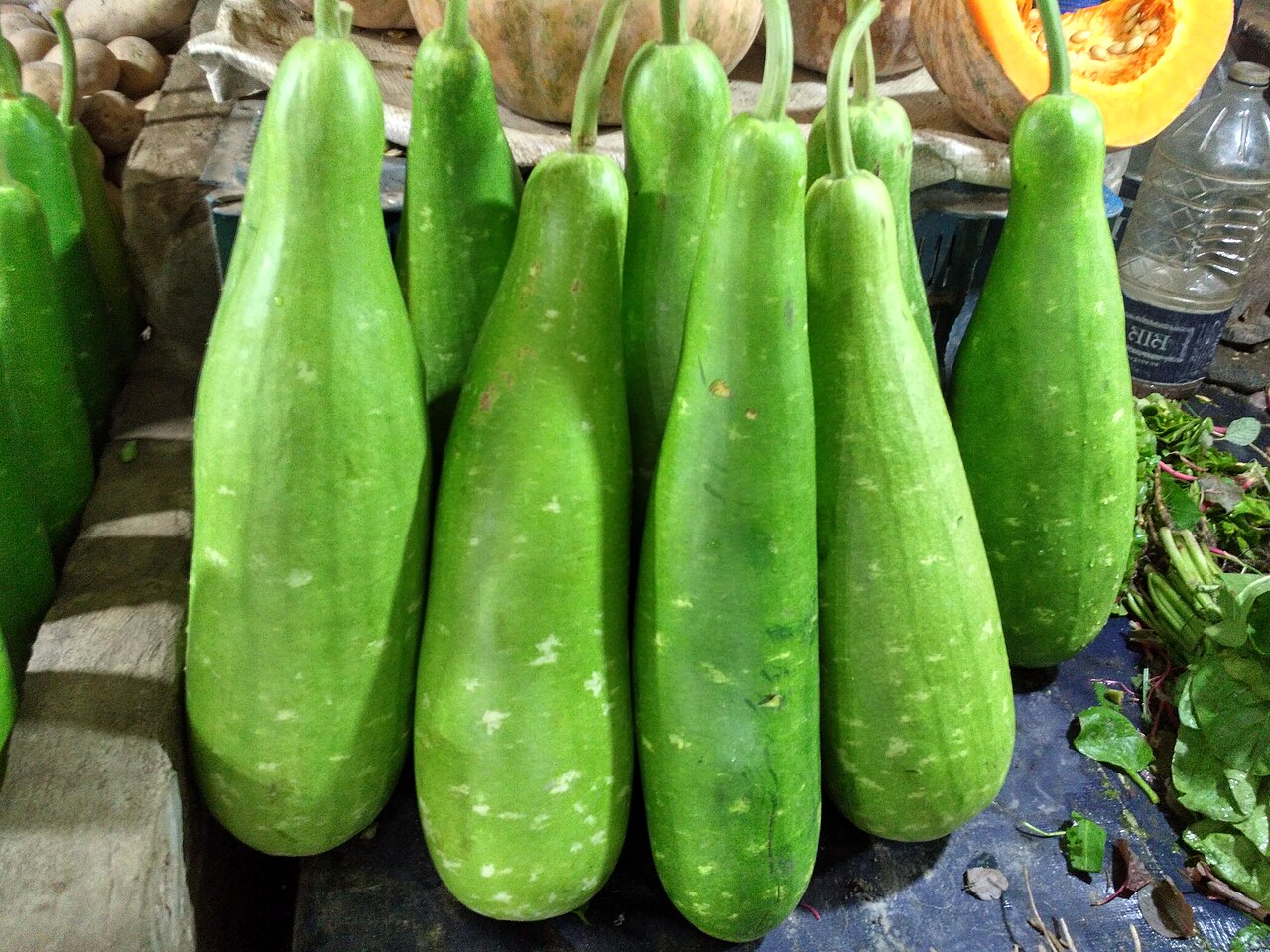
Himel, a trader at Pagarmatha bazar in Kadamtali, was loading pointed gourd, cucumber, green chillies, papaya, yardlong beans, green bananas, taro stolons (kochur loti), okra, aubergine and other vegetables, along with baskets of lychees, onto a CNG-run auto-rickshaw at Jatrabari. He told Jagonews24 that most vegetables had become a little cheaper, though spiny gourd (kakrol) was expensive. Lychee had cost more the day before; that day more had arrived and the price was lower.
Fish prices that day
Jagonews24 reported these prices per kilogram at the Jatrabari depot on 31 May:
- Small local shrimp Tk 800
- Small tengra Tk 520
- Large golda prawn Tk 1,600; small golda Tk 1,100 to 1,400
- Bagda shrimp Tk 700 to 1,000
- Rui Tk 350 to 450; katla Tk 350 to 450
- Pangas Tk 200, grass carp Tk 260 to 300, tilapia Tk 230 to 250
Hilsa, the national fish of Bangladesh, was priced by size. Large hilsa of over one kilogram sold at Tk 2,300 a kg, fish of 700 to 800 grams at Tk 1,800, 600-gram fish at Tk 1,400 and 500-gram fish at Tk 900 to 950 a kg. Small hilsa was also seen selling at Tk 800 a kg.
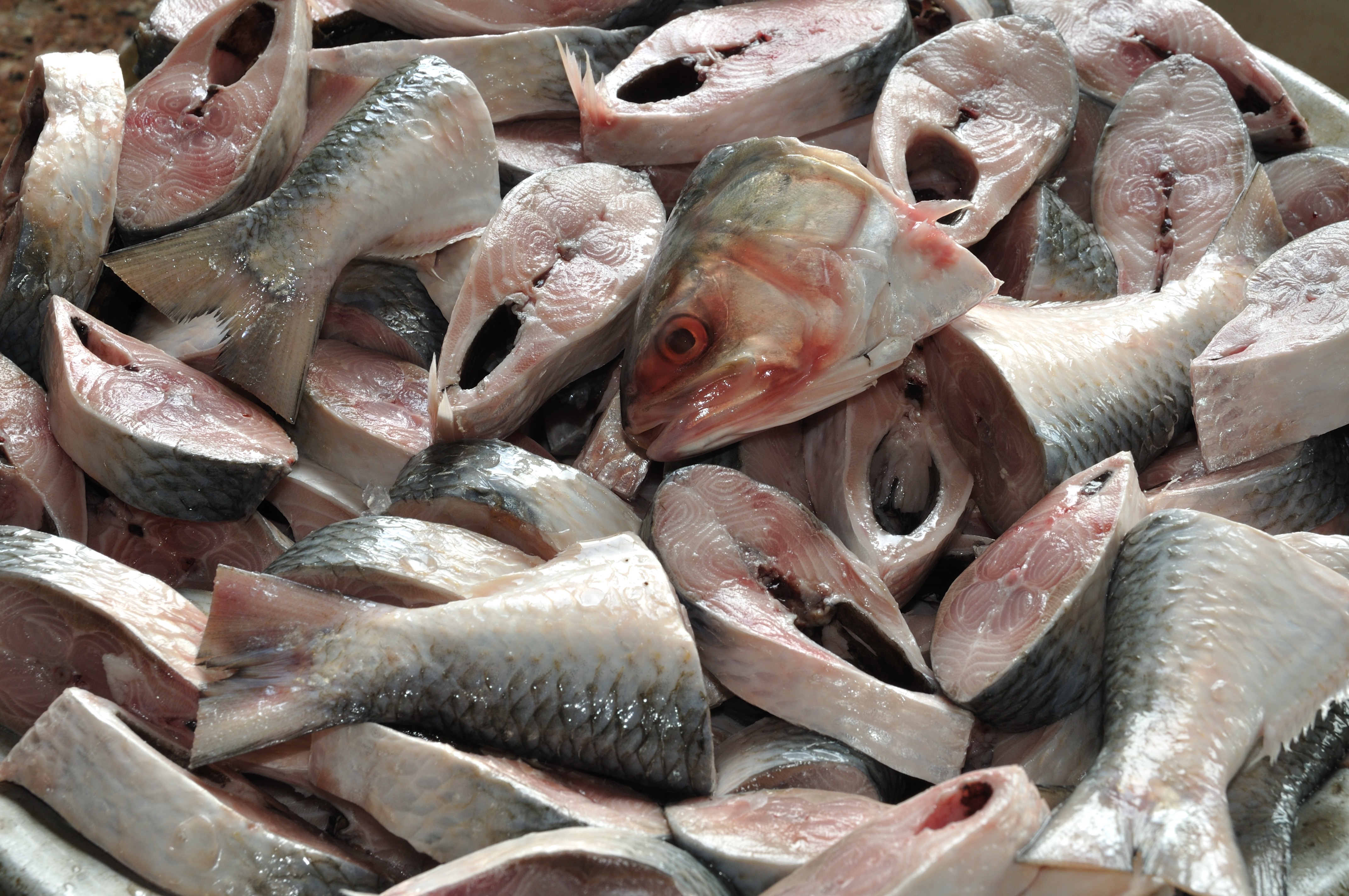
Photo: Ferdous / Wikimedia Commons (CC BY-SA 4.0)
Sources: Jagonews24, The Daily Star, Wikipedia
Comments
(0)