
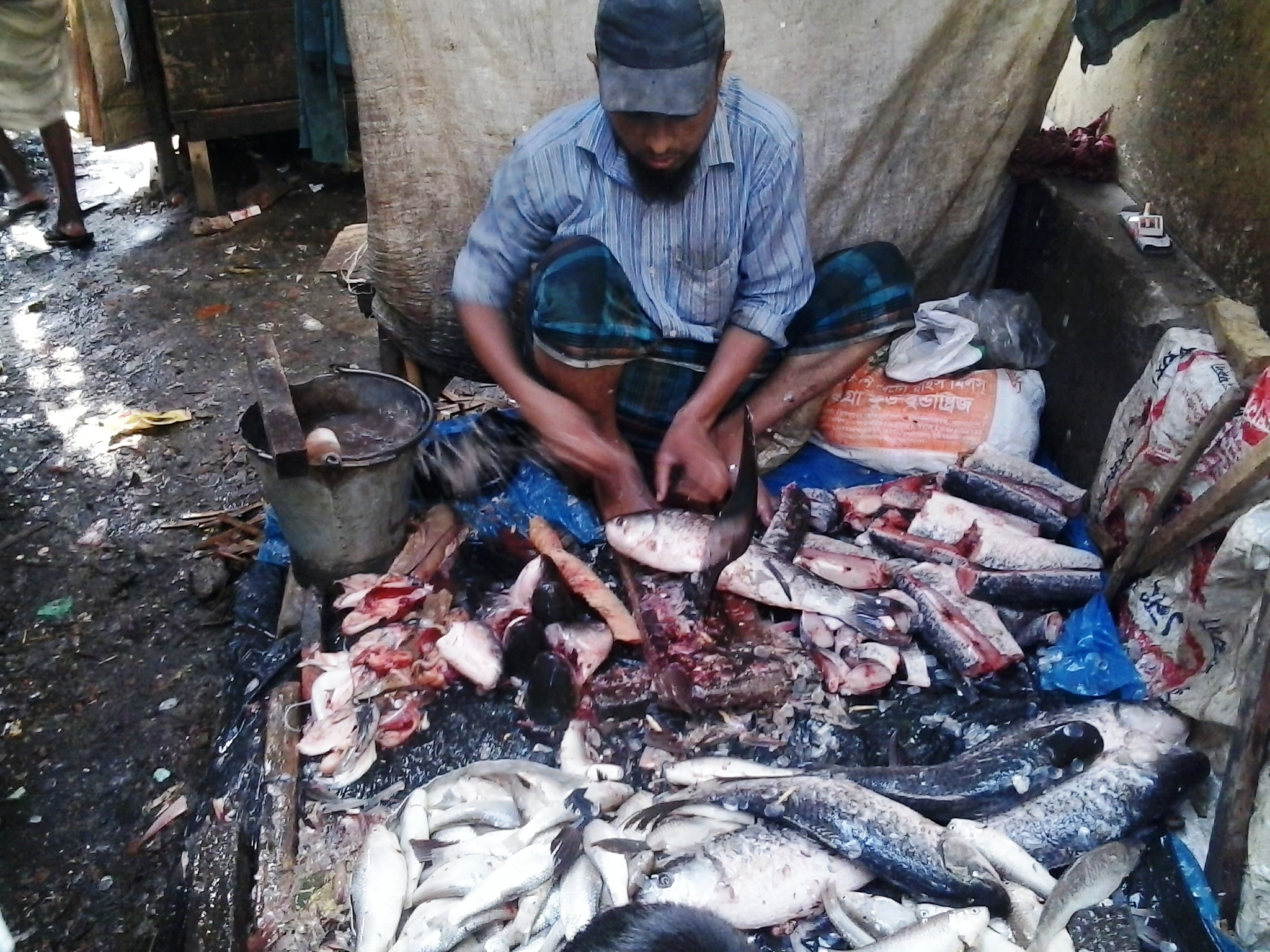
On Friday 29 May 2026, the day after Eid ul-Adha, there was very little buying or selling at the kitchen markets and the fish and fruit wholesale depots of Jatrabari in Dhaka. The capital, emptied by the Eid holiday, had left its mark on the wholesale trade too. A senior reporter of Jago News who toured the Jatrabari markets that day found a fair number of shops selling vegetables, fish and fruit open, but no fresh consignments of vegetables, fruit or fish had come in. Traders had opened their shops, yet the depot as a whole was nearly empty, and prices were lower for some items and higher for others.
Cucumber and okra had become cheaper, tomatoes were unchanged and spiny gourd had gone up. In the fish market hilsa was somewhat cheaper than before Eid, while rui, pabda and tengra had risen and prawns were still selling at their raised Eid prices. Wholesalers and fish sellers said hilsa and other fish could become dearer again from the next day: there were hardly any buyers that day, they argued, and prices would rise once people returned.
The Eid holiday, the sacrifice and an emptied capital
Eid ul-Adha was celebrated in Bangladesh on Thursday 28 May that year. According to Bangla Tribune on 18 May 2026, the National Moon Sighting Committee met that evening at the Islamic Foundation at Baitul Mukarram National Mosque; the crescent of Dhul Hijjah had been sighted over the country, so the committee announced that Eid ul-Adha would be celebrated nationwide on 10 Dhul Hijjah, 28 May. The day the Jago News reporter visited Jatrabari was therefore the second day of Eid.
The public holiday was still running. The Daily Ittefaq reported on 14 May 2026 that, under a Ministry of Public Administration notice, government, semi-government, autonomous, semi-autonomous and private offices would close for seven days in a row, from 25 to 31 May, for Eid ul-Adha. The 25 May holiday was granted by executive order following a cabinet decision of 7 May, and offices were to open instead on Saturday 23 and Sunday 24 May. That made 29 May a day in the middle of a long break, when many of the capital's residents were still in their home villages.
The sacrifice itself was large. Bangla Tribune on 22 May 2026 carried figures given by Md. Shariful Haque, deputy director (farms) of the Department of Livestock Services: the likely demand for sacrificial animals that year was put at 1,01,06,334, against 1,23,33,840 animals ready, of which 56,95,878 were cattle and buffalo and 66,32,307 goats and sheep. By the department's reckoning, there would be a surplus of about 22 lakh animals over the likely demand.
Sellers in Jatrabari linked the quiet market to the sacrifice. Shariful Islam, a mango seller, told Jago News that people were worn out from slaughtering and cutting up cattle and goats the day before and had not yet recovered, so buyers were few and demand was low. Fish sellers added that demand for fish usually falls at Eid because meat takes its place.
Vegetables: cucumber, aubergine and okra cheaper
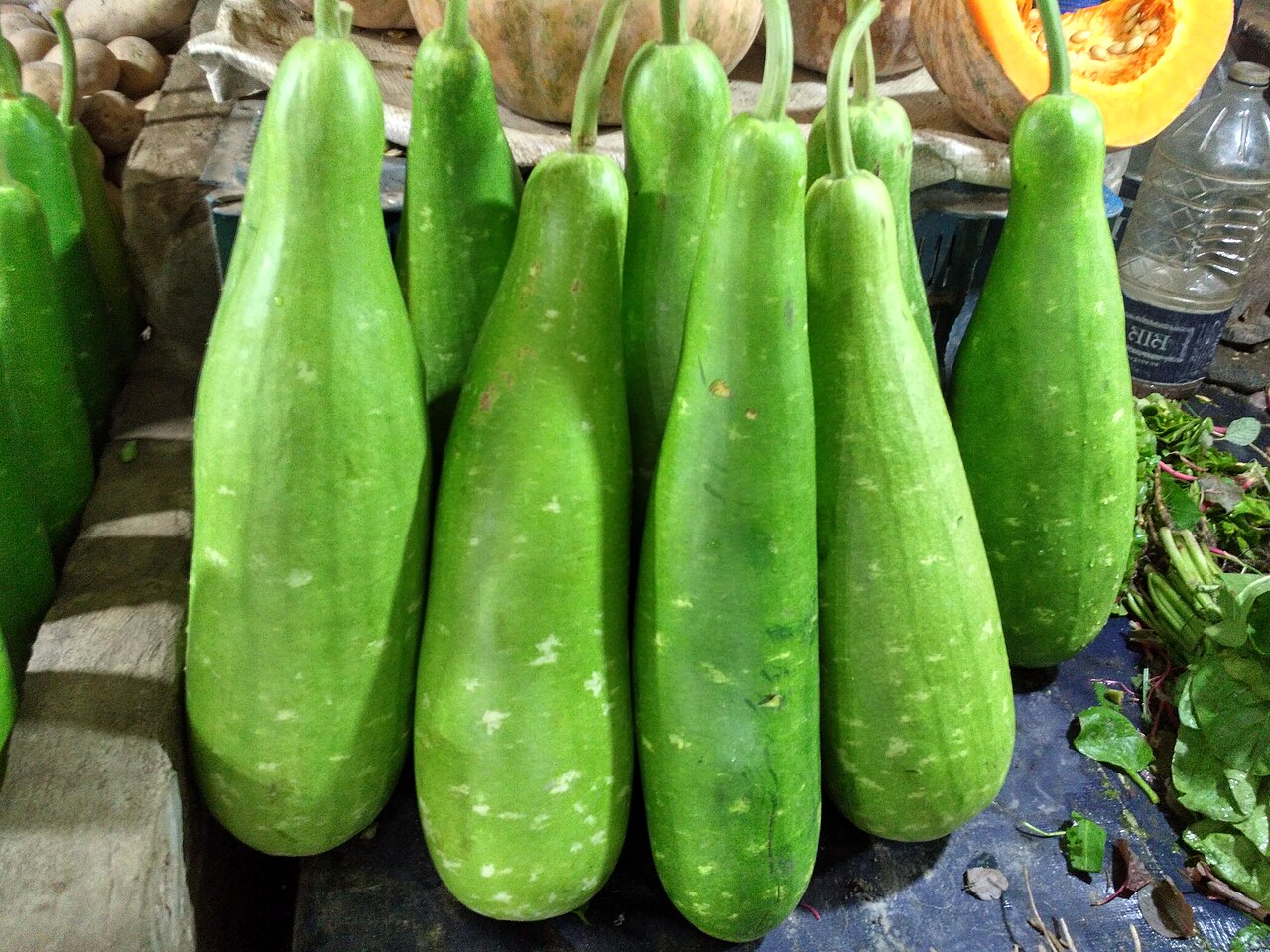
According to Jago News, sweet pumpkin sold at Tk 40 a kg in Jatrabari on the day after Eid and bottle gourd at Tk 40 to 50, both cheaper than before Eid. The reporter watched two retailers loading a CNG-run auto-rickshaw with produce bought at the Jatrabari depot to take to Narail Bazar in Keraniganj: tomatoes, cucumber, aubergine, pointed gourd, bitter gourd, taro stolons, sweet pumpkin, bottle gourd, okra and litchis.
One of them said fresh vegetable supplies had not yet resumed and new consignments could take more time. Meanwhile many sellers had cut the prices of some items to clear the stock they already held.
Kamrul, a retailer at the market, told Jago News vegetable prices had fallen noticeably after Eid. The prices he gave were:
- Green chillies: Tk 80 to 110 a kg before Eid, Tk 75 to 80 the day after.
- Tomatoes: unchanged at Tk 90 to 100 a kg.
- Cucumber: down Tk 40 a kg to Tk 50 to 60.
- Pointed gourd: Tk 40 a kg.
- Aubergine: down from Tk 80 to Tk 40.
- Bitter gourd: down from Tk 100 to 120 a kg to Tk 80.
- Okra: down from Tk 50 to 60 to Tk 30, and Tk 20 wholesale.
- Lemons: Tk 15 to 20 a hali (four), against Tk 20 to 25 before.
In Kamrul's view, supply was adequate but buyers were very few, and that was the main reason prices had fallen; the items people were buying less of had become a little cheaper. Didarul Alam Chowdhury, who had come to shop because guests were expected after Eid, said many items that were dear before Eid had become much cheaper, but potatoes, onions, ginger and garlic had not changed. Azizul Islam, a grocery seller at Jatrabari, said the shoppers that day were mainly Dhaka's local residents and people whose restaurants were open.
What Dhaka's markets charged in the week before Eid
Six days before Eid, on 22 May 2026, Bangla Tribune published a report on prices at Raisaheb Bazar and Narinda Bazar in Old Dhaka, under a headline about unstable spice prices and rising prices of everyday goods around Eid; The Daily Ittefaq carried the same prices that day. These are not the Jatrabari markets, so the two days' prices cannot be compared directly, but they show what the capital's markets looked like before Eid.
By Bangla Tribune's account, cucumber was then Tk 60 to 70 a kg, tomatoes Tk 80 to 90 and green chillies Tk 100 to 120. Round aubergine was Tk 100, long aubergine Tk 70 and bitter gourd Tk 80 a kg. Most vegetables were selling at Tk 60 to 80, the report said, while lemons offered some relief at Tk 20 to 30 a hali.
In the fish market, hilsa of about one kg sold for Tk 2,500 to 3,000, and 600-gram hilsa for Tk 1,800 to 2,000 a kg. The report put rui at Tk 240 to 350 a kg, tilapia at Tk 200 to 230, prawns at Tk 900, pabda at Tk 350 and koi at Tk 400 to 500.
Spices for the Eid cooking were dear too. According to Bangla Tribune, cardamom sold at Tk 4,600 to 5,500 a kg, cloves at Tk 1,800 to 2,000, cumin at Tk 700 to 800 and cinnamon at Tk 550 to 600. Polao rice had risen to Tk 150 to 160 a kg, the report said, and one shopper complained that almost everything cost much more than before.
Fruit: litchis dearer, mangoes unchanged
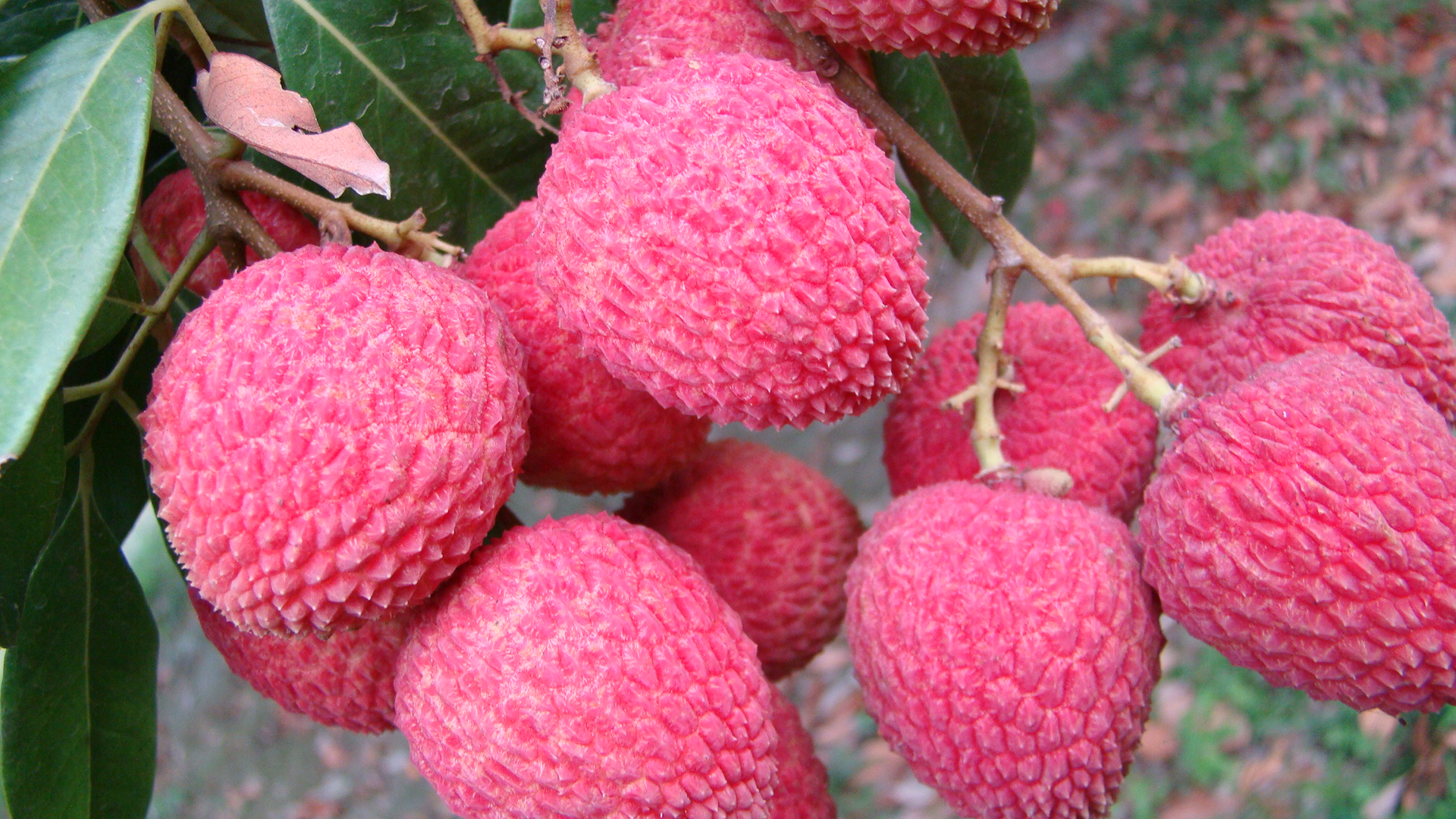
On the day after Eid, litchis were dear at the Jatrabari fruit depot. Palash, one of the two men bound for Narail Bazar, told Jago News a khanchi (basket) of litchis that cost Tk 2,200 before Eid had risen to Tk 3,600. Mangoes were cheaper by comparison: Himsagar at Tk 70 to 80 a kg, lower-quality mangoes at Tk 50 to 60, and green mangoes at Tk 140 to 180, up to Tk 200, depending on size.
Touring the wholesale and retail markets that day, the Jago News reporter found that just before Eid litchis had been priced, by quality and size, at Tk 500, 450, 400, 350, 300, 250 and down to Tk 200. On the day after Eid, litchis that had cost Tk 200 sold for Tk 300, and those that had been Tk 300 went for Tk 400 and Tk 500. Shariful Islam, the mango seller, said that although buyers were few, mango prices had not fallen because no new supplies had come in; they were the same as before.
Satkhira's Himsagar reached the market before Rajshahi's. Prothom Alo reported on 15 May 2026 that Himsagar picking and sales began that day at Sultanpur Bara Bazar, Satkhira's largest mango market, where Himsagar sold at Tk 2,400 to 3,000 a maund on the opening day. Wholesale buyers from Gazipur and Natore were there, and one of them told the paper that Satkhira's Himsagar was in great demand in Dhaka for its colour, aroma and taste.
The same report said about 45,750 farmers grew mangoes in 5,299 orchards on 4,140 hectares in Satkhira that year, that the district's production target for the season was about 70,900 tonnes, around 38 percent of it Himsagar, and that the export target was 100 tonnes. According to bdnews24.com on 5 May 2026, the Satkhira district administration's mango calendar set picking dates of 5 May for Gobindabhog, Gopalbhog, Bombai, Golapkhas and Baishakhi, 15 May for Himsagar, 27 May for Langra and 5 June for Amrapali.
In Rajshahi the Himsagar date had not yet arrived. Independent Television reported on 15 May 2026 that, under the Rajshahi district administration's mango calendar, guti (local seedling) mangoes could be picked from the first day of Jyoishtho; Gopalbhog and Lakshmanbhog from 22 May, Ranipasand from 25 May, and Himsagar or Khirsapat from 30 May. The schedule was set to keep immature mangoes off the market and protect quality. The district agricultural extension office had set a target of 2,43,995 tonnes of mangoes for Rajshahi that season.
The litchi (Litchi chinensis) is the fruit of an evergreen tree of the soapberry family, Sapindaceae. Its commercial subspecies grows wild in southern China, northern Vietnam and Cambodia; cultivation in China is documented from the 11th century, and the tree was later introduced across Southeast and South Asia. The fruit has a rough, pink-red shell and sweet, mildly tart flesh.
Fish: hilsa a little cheaper, rui and pabda dearer
The fish market was short of buyers as well. Sellers said demand for fish usually falls at Eid because meat takes over, though demand for hilsa and prawns always holds up. At Eid these two had risen by Tk 250 to 300 a kg. On the day after Eid hilsa had become cheaper, while prawn prices were unchanged.
Swapan Chandra Das, a seller, told Jago News that two days before Eid a one-kg hilsa sold for Tk 2,200 to 2,300, and on the day after Eid it had come down to Tk 1,600 to 1,800. Hilsa of 400 grams were Tk 950, 600-gram fish Tk 1,000 and 700-gram fish Tk 1,200.
Golda prawns were steady at Tk 1,100 to 1,200 a kg. For large golda, sellers asked Tk 1,600 a kg, which settled at Tk 1,500 after bargaining. Bagda prawns sold at Tk 850, 800, 750 and 700 a kg, depending on size.
Jewel, who sells pabda at the depot, told Jago News that before Eid there had been plenty of fish and plenty of buyers, so prices were low. Now there were fewer buyers and less fish, so pabda was Tk 350 a kg, against Tk 320 before Eid. He said they normally sold wholesale, but with so few customers they were selling retail too.
Another fish seller said rui had been plentiful and cheap before Eid. On the day after, buyers were few but so were rui and catla, and what rui had arrived was dear: large rui of three to three and a half kg at Tk 480 a kg, smaller ones at Tk 380 and Tk 350. Large tengra sold at Tk 650 and medium tengra at Tk 550 a kg, both cheaper before Eid, and medium tilapia at Tk 220.
Hilsa: national fish, falling catch and the bans in force
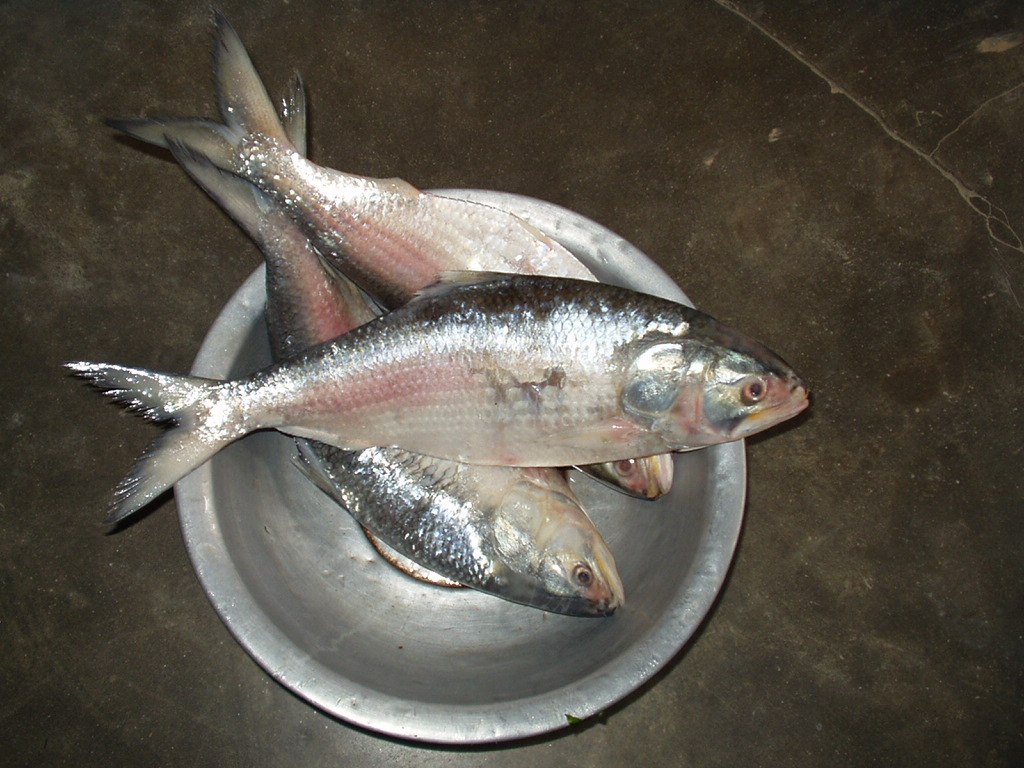
The hilsa or ilish (Tenualosa ilisha) is a fish of the herring family, Clupeidae, and the national fish of Bangladesh. It schools in coastal waters and swims up rivers to spawn; the young fish, known in Bangladesh as jatka, then move back towards the sea. On 6 August 2017 the Department of Patents, Designs and Trademarks declared hilsa a Geographical Indication product of Bangladesh.
Desh Rupantor reported on 7 April 2026 the Department of Fisheries figures the fisheries and livestock minister presented at a press conference at the Secretariat. Hilsa production fell to 5 lakh tonnes in fiscal 2024-25, the lowest in eight years; it had been 5 lakh 29 thousand tonnes in 2023-24. The previous time it was below 5 lakh tonnes was 2016-17, when 4 lakh 96 thousand tonnes were produced.
According to the same briefing, hilsa makes up about 9.79 percent of the country's total fish production and about 1 percent of GDP. More than 80 percent of the world's hilsa is caught in Bangladesh's rivers, estuaries and sea, and Bangladesh ranks first among the 11 countries that catch it. About 6 lakh people fish for hilsa directly, and 20 to 25 lakh are involved directly or indirectly in transport, sales, net and boat making, ice production, processing and export. The minister said river siltation, climate change, river pollution and mounting pressure on fish resources made it a great challenge to sustain hilsa production.
Sea fishing was closed over Eid. Bangla Tribune and Independent Television reported on 6 April 2026 that the Ministry of Fisheries and Livestock had banned all fishing in the Bay of Bengal and adjoining waters for 58 days, from 15 April to 11 June, to secure sustainable production of hilsa and other marine fish. Before that, Jatka Conservation Week was observed from 7 to 13 April in 20 hilsa-rich districts, opening in Chandpur, under the slogan "Stop catching jatka, and the sea and rivers will fill with hilsa".
An eight-month ban on catching jatka was also in force. The Financial Express reported on 1 November 2025 that from that day until 30 June 2026 the catching, transport, marketing, buying, selling and storage of hilsa smaller than 25 centimetres was prohibited. Under the amended Protection and Conservation of Fish Ordinance 2025 and the Protection and Conservation of Fish Rules 1985, violators faced up to two years in prison, a fine of up to Tk 5 lakh, or both. The Department of Fisheries enforced the ban with district and upazila administrations, the Navy, the Coast Guard, the River Police, RAB and other law enforcement agencies.
The fish and vegetables in the price list
The two prawns in the report are different species. The golda, or giant river prawn (Macrobrachium rosenbergii), is one of the largest freshwater prawns in the world; its larvae depend on brackish water, but from the juvenile stage it lives entirely in fresh water, and it can grow longer than 30 centimetres. The bagda, or black tiger shrimp (Penaeus monodon), is a marine species whose juveniles usually live in sandy estuaries and mangroves; it is widely farmed for food.
Pabda (Ompok pabda) is a freshwater catfish of Bangladesh, India, Myanmar, Pakistan and Afghanistan, living in streams, ponds and lakes; it grows to about 30 centimetres and breeds between May and August. Rui, or rohu (Labeo rohita), is a large carp of South Asian rivers and an important species in the region's freshwater fish farming. It spawns in the monsoon, but it does not breed on its own in farm waters, so induced spawning is needed.
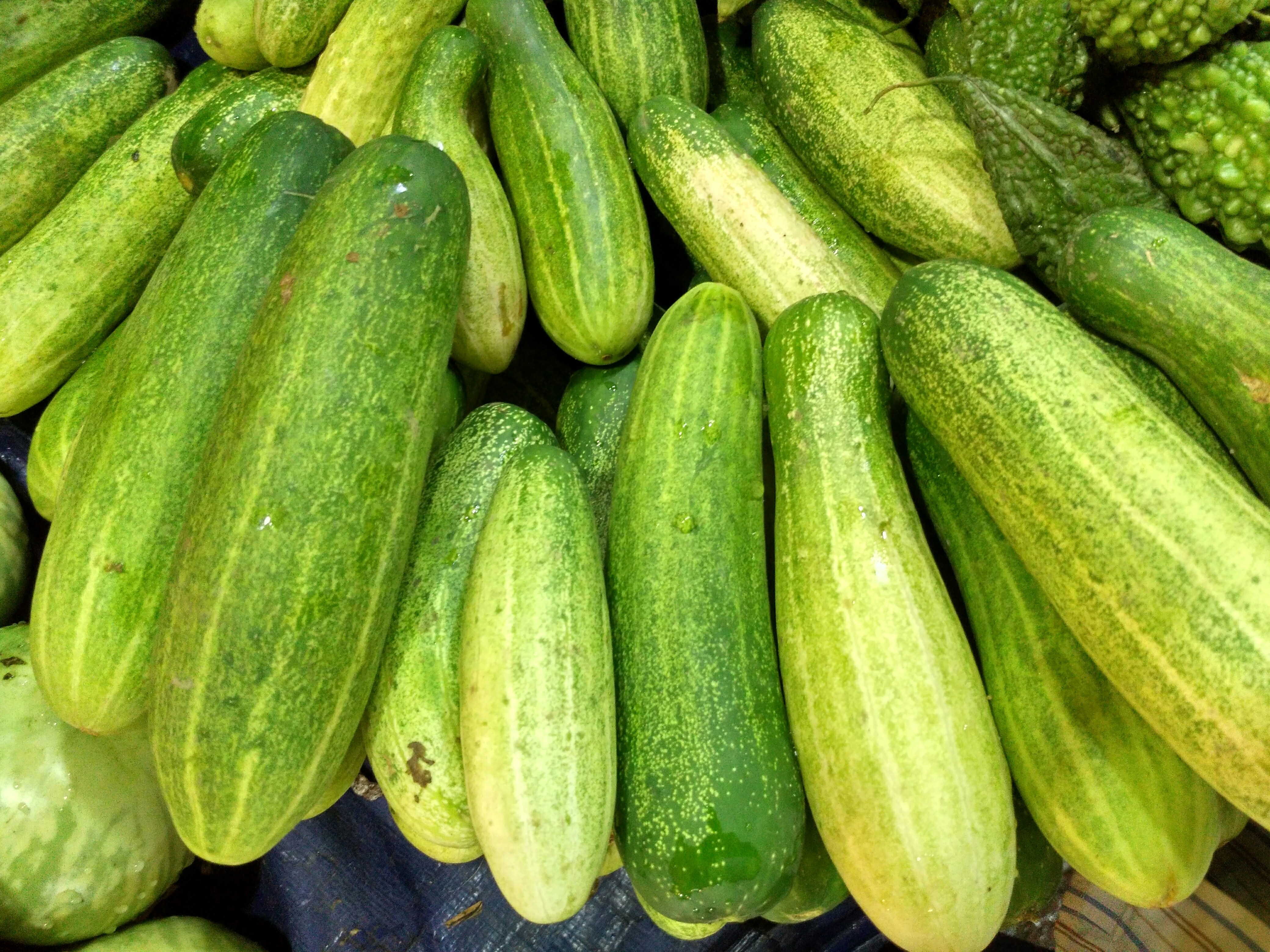
Among the vegetables, cucumber (Cucumis sativus) is a creeping vine of the gourd family, Cucurbitaceae, whose original range spans India, Nepal, Bangladesh, southern China and northern Thailand; it has been grown for at least 3,000 years, and its fruit is about 95 percent water. Pointed gourd, or potol (Trichosanthes dioica), is a perennial vine of the same family native to the Indian subcontinent; in Bangladesh it is an important summer vegetable, grown and eaten in almost every district. Spiny gourd, or kakrol (Momordica dioica), another member of the family, is propagated from underground tubers.
Jatrabari: Dhaka's south-eastern gateway
Jatrabari is a metropolitan thana and neighbourhood of Dhaka at the starting point of the Dhaka-Chittagong Highway. Wikipedia, citing Banglapedia and the Bangladesh Bureau of Statistics, gives its area as 13.19 square kilometres, bounded by Sabujbagh and Demra thanas on the north, Kadamtali and Shyampur on the south, Demra on the east, and Gandaria and Sutrapur on the west. The 2022 census counted 125,517 households and 492,180 people in Jatrabari thana. The area is also known for its steel furniture industry.
Retailers from outside the capital also buy at the Jatrabari depots, and the Jago News report from the day after Eid gave an example: sellers from Narail Bazar in Keraniganj were loading vegetables and litchis bought at Jatrabari into an auto-rickshaw. With no new consignments arriving, what they bought that day came from the traders' existing stock.
Photo: Ferdous / Wikimedia Commons (CC BY-SA 4.0)
Sources: Jagonews24 (29 May 2026), Bangla Tribune (6 April, 18 May and 22 May 2026), The Daily Ittefaq (14 May and 22 May 2026), Prothom Alo (15 May 2026), Independent Television (6 April and 15 May 2026), Desh Rupantor (7 April 2026), bdnews24.com (5 May 2026), The Financial Express (1 November 2025), Wikipedia
Comments
(0)