
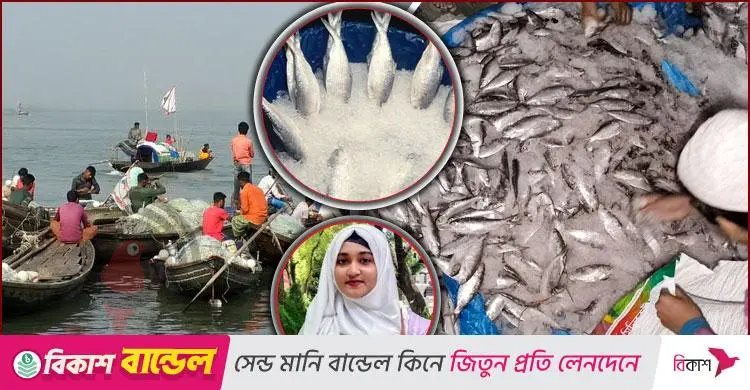
By Syeda Fariva Akhter
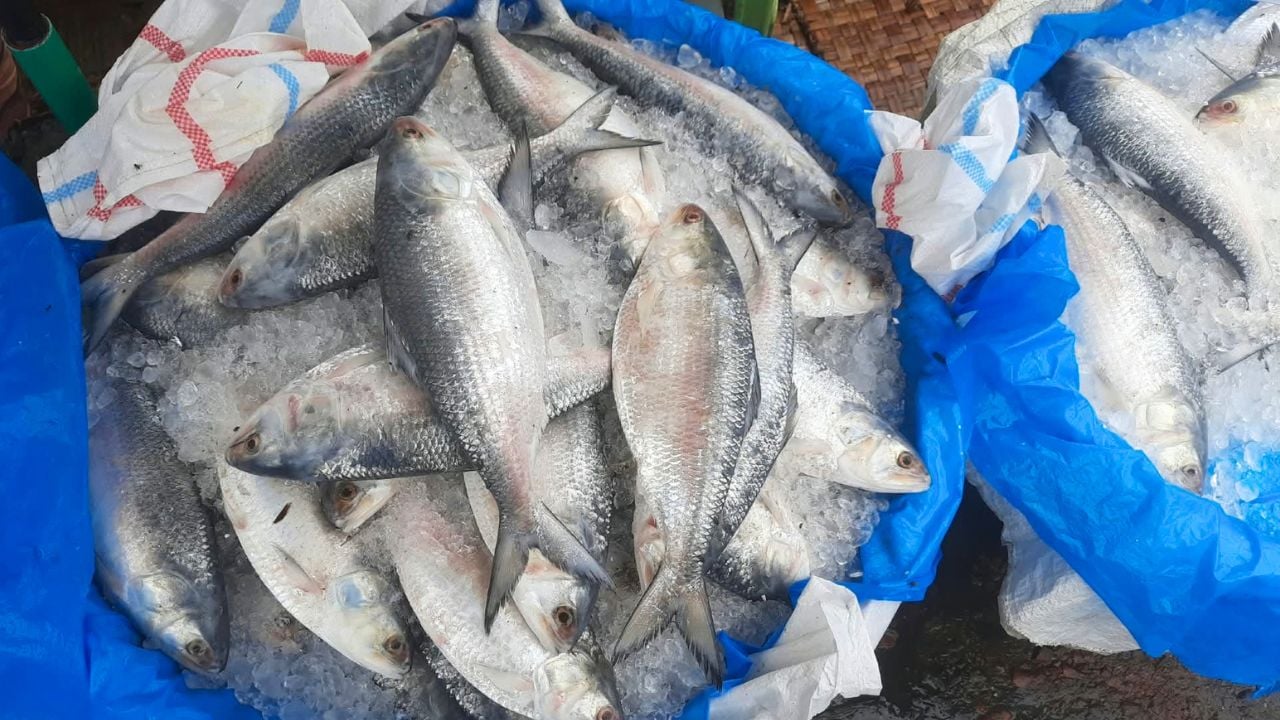
Hilsa is Bangladesh's national fish and its most popular one. It is not only a favourite food but also the livelihood of thousands of fishers. Hilsa is not just a fish; it is a symbol of Bengali emotion, heritage, culture and economy. But is hilsa only a story of flavour in the cooking pot? Or is it the waves of our rivers, the scent hidden in the soil and the dream of life in the eyes of thousands of fishers?
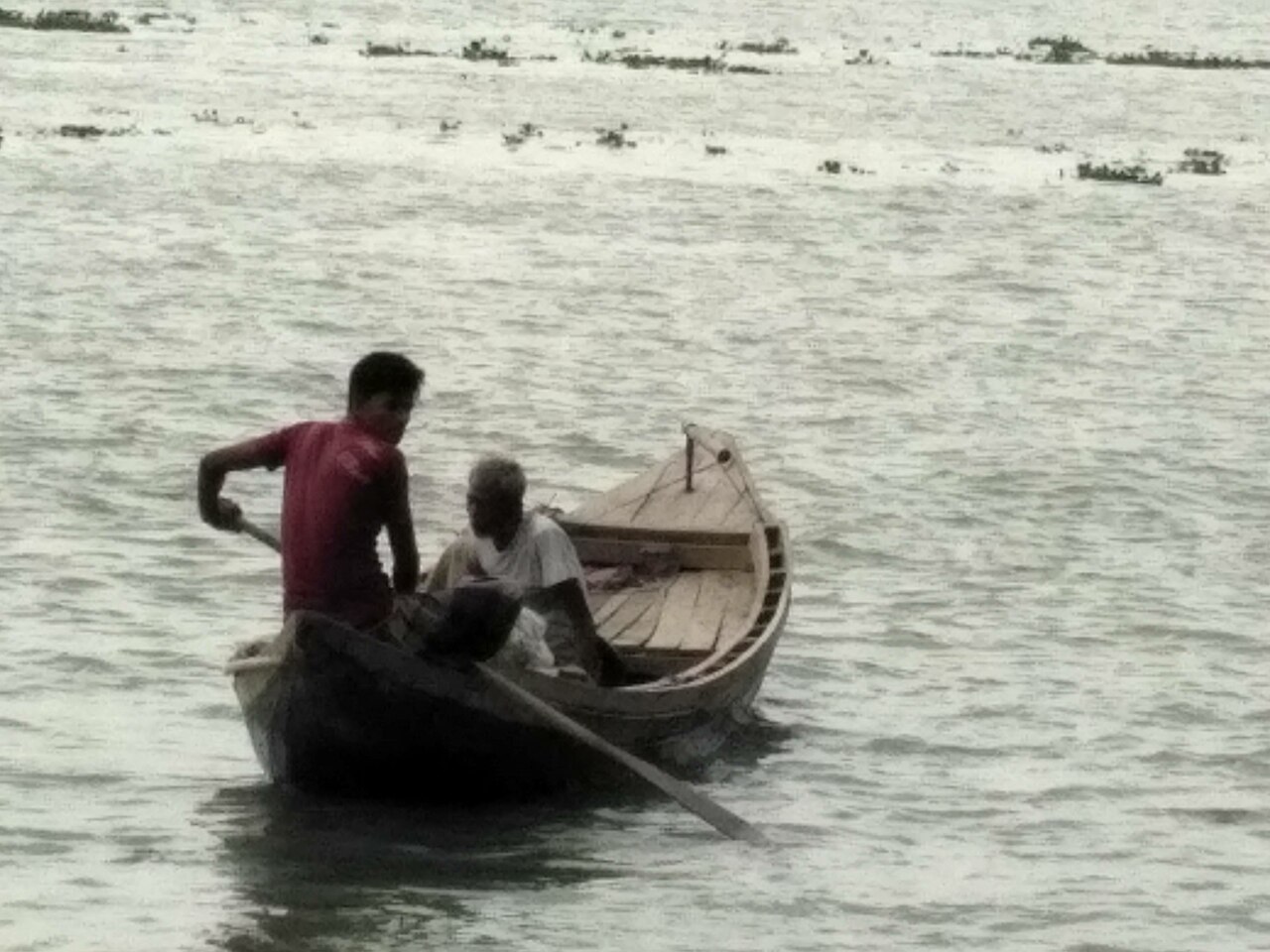
Hilsa today is not just a delicacy but an ocean of livelihoods. A large part of the country's economy depends on it, especially the lives of fishers on the coast and along river embankments. Every morning at dawn fishers head for the river. They cast their nets in search of a sliver of hope, waiting to see whether a golden dream will be caught. Their sweat-soaked days and lives bound to the river's waves are all tied up with hilsa. Hilsa is not only in the market but in festivals too, such as Nabanna, the monsoon and Baishakh.
Where have the shoals gone?
The question is whether hilsa are still caught as before. They are not. The waves of golden shoals seem to have been lost in the tides of time. Where once the song of hilsa played, now there is only emptiness, and a major cause of this emptiness is the killing of jatka.
Jatka are young hilsa, generally those shorter than 25 centimetres or 10 inches. They cannot spawn, but a fully grown hilsa can lay up to two million eggs on average. If a small hilsa survives and grows up, it becomes part of the future stock. But in reality we ruin that potential ourselves: we catch jatka, sell them and even fry and eat them. In exchange for this small fish we lose thousands of future hilsa.
Killing jatka has serious effects that badly damage our environment, economy and society. If jatka do not get the chance to grow, hilsa breeding stops and production falls every year. When hilsa decline, fishers do not get fish and their income falls. Hardship grows in their families and their livelihoods come under threat.
Bangladesh earns substantial foreign currency by exporting hilsa, so a decline in hilsa would also hurt the economy. Hilsa is also a favourite food for many people; when production falls, prices rise and ordinary people cannot afford it. If jatka fishing is not stopped now, a day may come when our future generations will not recognise hilsa, let alone eat it.
Ban and government measures
In terms of production, Bangladesh is in 11th position in the world. Eighty-six per cent of hilsa is produced in Bangladesh, and its contribution to the country's GDP is about 1 per cent. But climate change, river pollution and the killing of jatka are reducing hilsa production day by day. That is why Jatka Conservation Week is observed every March or April. A two-month ban on killing jatka began on 1 March and will run until 30 April. During this period catching and selling jatka is a punishable offence.
The government has taken various steps to conserve jatka: fishing has been banned for set periods, fishers are being given rice and other support, and monitoring has been stepped up. Campaigns are also being run in schools, colleges, the media and social media to raise public awareness. But without personal awareness, none of these initiatives will ever succeed.
Killing jatka is not just a way of fishing; it takes away future generations' right to hilsa. If we all become a little more aware, the problem can be solved. Jatka must be protected, and the golden days of hilsa must be brought back.
The writer is a third-year honours student in the Department of Islamic History and Culture, Rajshahi College.
Source: Jagonews24. First published in Bengali on The Agro News.
Comments
(0)