

The rivers of Bengal flow on, carrying stories, history and the rhythm of life in every fold of their waves. Hidden deep in that rhythm is a priceless resource: hilsa. Whether as panta-ilish or at a festival, hilsa is part of Bengali identity. But this symbol of pride now faces many challenges, and the time has come to take responsibility: to save jatka and increase hilsa.
The theme of this year's Jatka Conservation Week is "Stop catching jatka, and hilsa will fill the seas and rivers". "Jatka Conservation Week 2026" is being observed across the country from 7 April to 13 April. It is not just a programme; it is a name for awareness, emotion and national commitment together.
A small fish with big potential
Jatka is a small fish, but it holds great potential. If these young hilsa, 23 centimetres long or less, are not caught today, they grow into adult hilsa in a very short time. A single jatka is not just one fish but the source of countless future hilsa. Research shows that saving one jatka creates the opportunity for many hilsa in future. If we are patient today, the river will return it to us many times over tomorrow.
Bangladesh is now the world's top hilsa producer. More than 75 percent of the world's hilsa comes from this country's rivers. About 5.5 to 6 lakh tonnes of hilsa are produced a year, making an important contribution to the economy. About five lakh fishing families depend directly on hilsa. About 12 percent of total national fish production comes from hilsa, and its contribution to GDP is about 1 percent. Yet production once fell to close to only two lakh tonnes. It is thanks to proper planning, especially stronger jatka conservation, that we can see hope again. This success has taught us that saving jatka means securing the future.
What the government has done
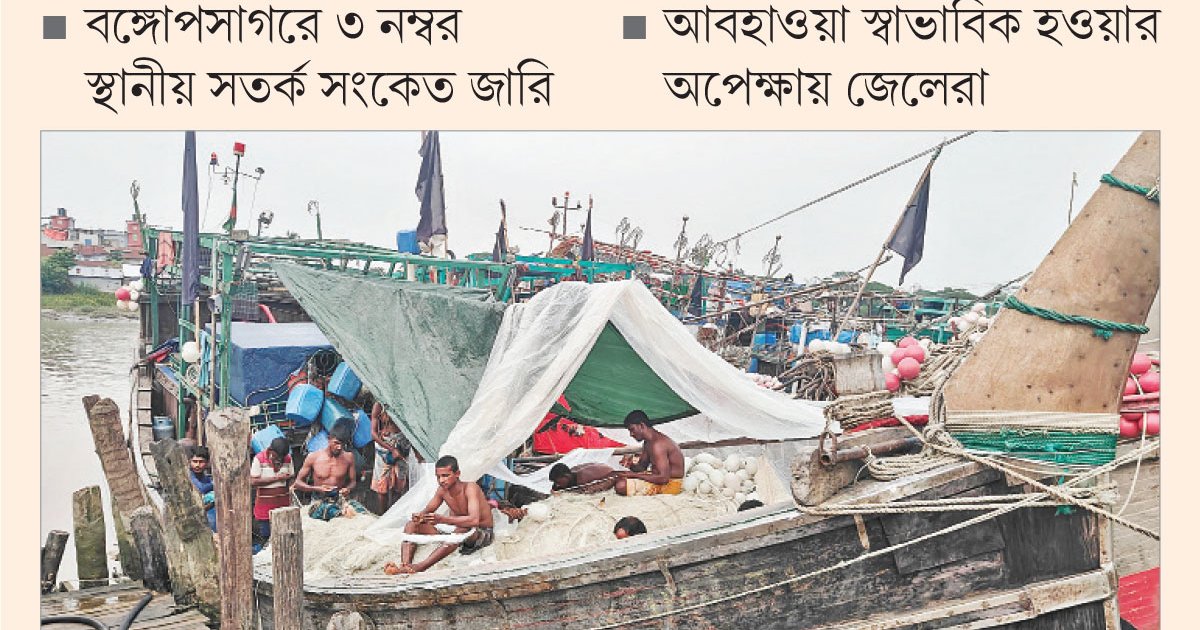
The government has already taken several effective steps to conserve hilsa. Catching jatka is completely banned at certain times of the year. Sanctuaries have been declared in several important river areas, where fishing is stopped entirely. Food aid and alternative livelihoods are being arranged for fishermen during the ban. For Jatka Conservation Week 2026, a wide campaign is under way across the country: awareness activities on riverbanks, discussions at educational institutions and publicity in the media. The aim is one thing: to make people understand that letting small fish go brings big gains back.
But reality is not always so simple. Poverty, lack of alternative income and lack of awareness mean fishermen often cannot obey the ban. Some dishonest rings secretly carry on buying and selling jatka. River pollution, loss of navigability and climate change are putting hilsa breeding at further risk. So laws alone are not enough; people's mindset must change, with a shared sense of responsibility.
Our role
This is where we come in. As consumers, our decisions shape the market. If we do not buy jatka, the jatka market will close by itself. Awareness must be built in families, in society and among children that catching small fish harms the future. Sustainable alternative income for fishermen is also essential, so they do not face a livelihood crisis during the ban.
Hilsa is not only an economic resource; it is also an indicator of the environment. Only a healthy river can sustain hilsa. If the river survives, hilsa survives; and if hilsa survives, the lives and livelihoods of the country's people will be secure. So jatka conservation is not just protecting a fish; it is a fight to protect rivers, nature and people together.
Jatka Conservation Week 2026 brings that message to us anew. A small decision, a little awareness, can have a huge impact. If we let jatka live today, our rivers will fill with silvery hilsa tomorrow.
Let us all say together: save jatka, grow hilsa; save the rivers, build the country. Because today's little jatka will one day become Bangladesh's golden dream.
The writer is a senior programme specialist (fisheries) at the SAARC Agriculture Centre, Farmgate, Dhaka, Bangladesh.
Source: Jagonews24. First published in Bengali on The Agro News.
Comments
(0)