
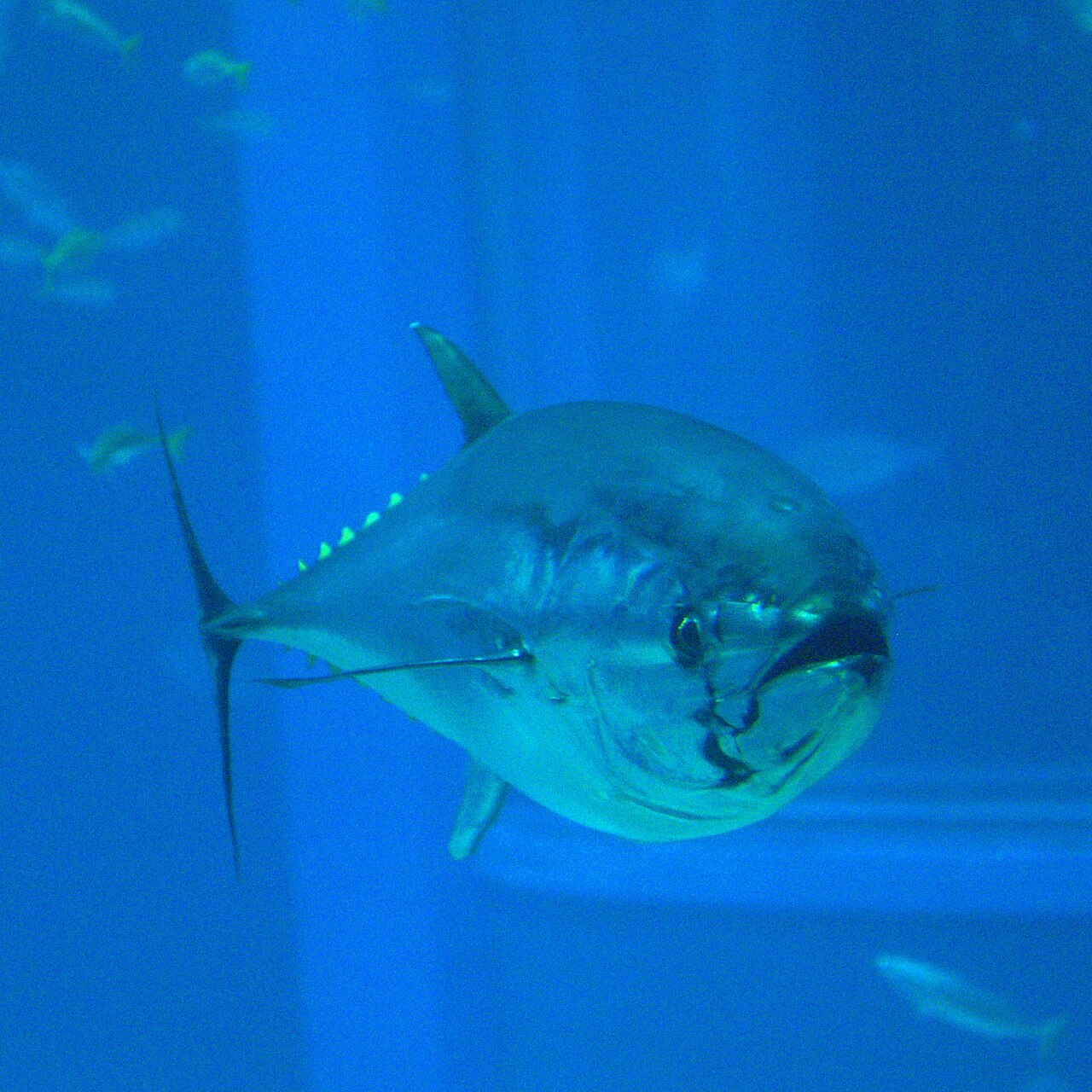
Japan has secured agreement to raise its annual quota for large Pacific bluefin tuna by 25 percent, from 8,421 tonnes to 10,526 tonnes, while cutting its quota for smaller fish by 6 percent, from 4,407 tonnes to 4,147 tonnes, AgNavigator reported.
The deal was reached at a meeting of the Western and Central Pacific Fisheries Commission's (WCPFC) Northern Committee on 20 November. The new limits are expected to be formally adopted at the commission's annual meeting, which begins in Vanuatu later this month, and would apply for two years from 2027.
"This is the result of persistent negotiations with the participating countries and regions at the meeting, and we recognise that this is a step forward toward increasing catch limits," said Japan's Minister of Agriculture, Forestry and Fisheries, Arata Takebe. He said the government would keep negotiating before the annual meeting to secure what it called necessary and appropriate allocations for Japanese fishers.
Japan and South Korea failed to agree on allocations in talks on 11 November. South Korea settled for carrying part of its unused small-fish quota from last year over to its large-fish quota for 2027 and 2028, and its annual large bluefin quota rises by about 76 percent, from 501 tonnes to 880 tonnes.
Pacific bluefin is among the world's most valuable fish and has been under strict management for years over fears of overfishing; catch limits set by regional bodies have been credited with helping the stock recover from historic lows. That recovery has brought its own problems in Japan, where fishers must release fish to stay within quota. "There are also tuna that are getting caught in fixed nets, and they are having trouble dealing with that as well," Takebe said.
Japan has pressed for higher limits on the strength of the recovery. A proposal in July failed to win unanimous backing after Mexico objected.
Reporting: Amanda Lim, AgNavigator.
Photo: OpenCage / Wikimedia Commons (CC BY-SA 2.5)
Source: AgNavigator

Comments
(0)