
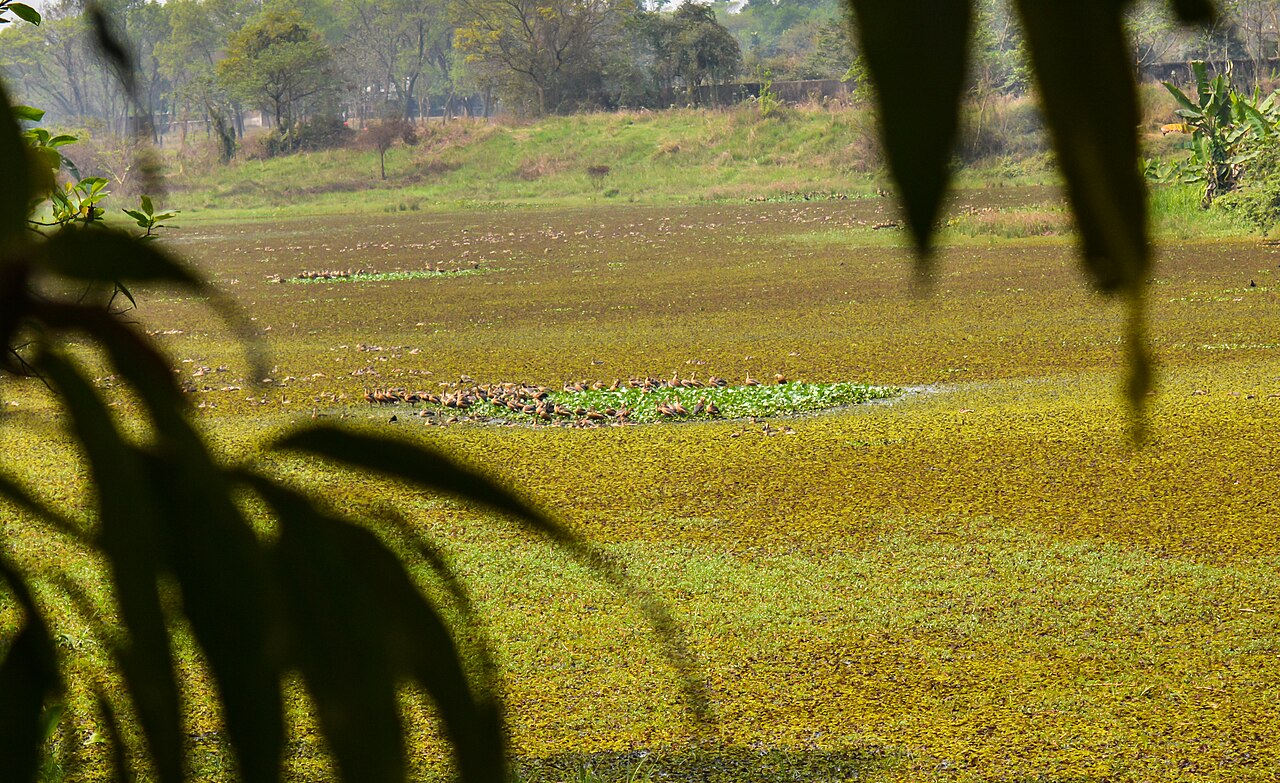
Winter once filled the lakes of Jahangirnagar University, near Dhaka, with flocks of migratory birds, but that has been changing for several years. Figures collected by Aritra Sattar, an environmental science student and young researcher, show about 6,000 migratory birds counted on the campus lakes in the 2019-20 season and about 1,500 in 2025-26.
Professor Monowar Hossain of the zoology department said 10 to 12 years ago 5,000 to 7,000 birds came each winter, against 2,000 to 3,000 now, as urbanisation and unplanned building shrink their habitat. Lakes meant to be cleaned and repaired in June-July are done in October, just as the birds arrive, and there is a lot of human traffic along the shores. The lake beside the Wildlife Rescue Centre, with fewer people, holds more birds.
Researchers say the birds rest on the lakes by day and feed in the low land and wetlands around. Housing and factories in Savar, Ashulia and Dhamrai have eaten into the low fields where paddy, grass and water plants grew after the monsoon, and some birds have moved to wetlands towards Dhamrai and Kalampur. Polluted water and poor waste management also do harm.
Some efforts are paying off. For about a year a locally built "wave breaker" on the lake by the transport yard has used differences in water flow to reduce pollution; water lilies and other plants have grown back, small fish have returned, and 100 to 350 birds have been seen on its northern side, Aritra said. On Monpura lake, where fish farming was stopped and water plants allowed to grow, birds have come back this year, and this season they began arriving in October.
Migratory birds were first recorded on the campus in 1986, and the government declared the university a sanctuary for them in 2014. On 25 October the administration restricted outsiders and banned parking by the lakes, fishing, loud noise and fireworks. Professor Monowar Hossain called for an end to leasing the lakes, repairs on schedule and regular monitoring. Pro-vice-chancellor (academic) Professor Shamsul Alam said no new building would go up without a master plan, which will take the lakes and the birds' resting places into account.
This report draws on reporting by Siam Shahriar Sami, Desh Rupantor's Jahangirnagar University correspondent.
Photo: Syed sajidul islam / Wikimedia Commons (CC BY-SA 4.0)
Source: Desh Rupantor

Comments
(0)