
It is natural to feel glad when good deeds are praised, but praise can turn into self-satisfaction and pride. A piece in Daily Bangladesh's religion section draws on the Quran and Hadith: praise that spurs further good deeds is positive, but it becomes dangerous when a person begins to think himself better than others.
In verse 32 of Surah An-Najm God says: do not claim purity for yourselves; He knows best who is God-conscious. People may know their outward deeds, the piece says, but not the state of their hearts or whether their deeds were accepted, so they should not take others' praise as proof that they are good.
The Prophet (peace be upon him) also warned against excessive praise. In a narration in Sahih Muslim (3002), when a man praised Uthman excessively, Miqdad threw pebbles at him, recalling the Prophet's instruction. In Sahih al-Bukhari (6060) the Prophet described excessive praise of a man as having "broken his back".
The piece advises remembering, when praised, that knowledge, ability and the capacity to do good all come from God; verse 53 of Surah An-Nahl says every blessing you have is from God. Recalling one's own failings that others do not know, and not parading one's good deeds (Surah An-Nisa, verse 49), also guard against self-satisfaction.
It cites a supplication narrated from the early Muslims for moments of praise, meaning: "O God, do not hold me to account for what they say, forgive me what they do not know, and make me better than they think."
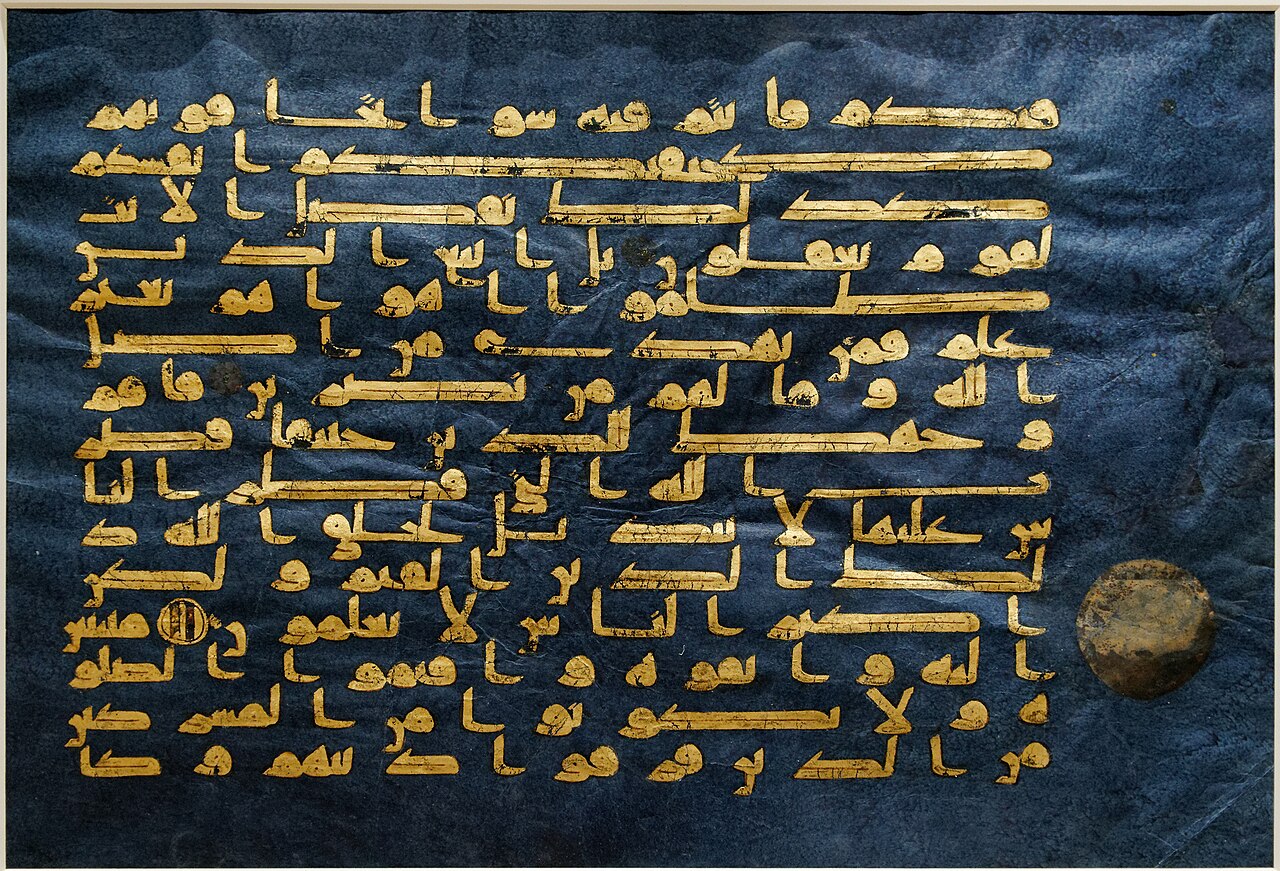
Photo: Metropolitan Museum of Art / Wikimedia Commons (public domain)
Source: Daily Bangladesh

Comments
(0)