
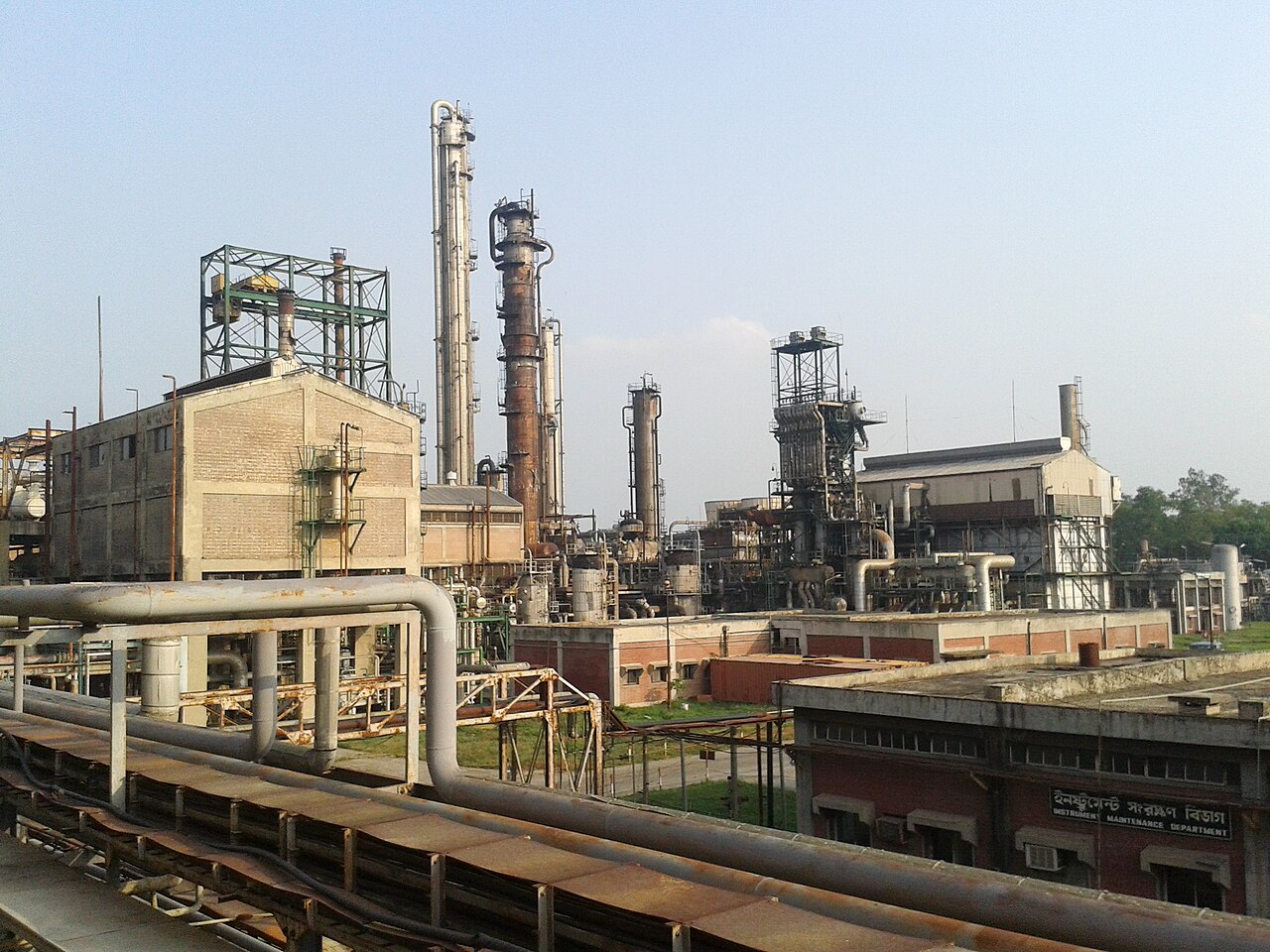
India's cost of importing urea has fallen 57 percent since May, according to Department of Fertilisers data reported on 15 September, giving the government relief on a subsidy bill that had been expected to balloon this year because of a global supply squeeze. Landed urea stood at about $406 a tonne in mid-September, down from $947 in May, the peak of the spike; global urea prices were 23 percent lower year on year in August after China eased the fertiliser export restrictions it had held since March.
State trading agencies have bought 4.74 million tonnes through recent tenders, and India's urea inventory was 7.51 million tonnes at the end of August, 78 percent higher than a year earlier. The decline has been steady: a National Fertilizers Limited tender floated on 27 May for 1.7 million tonnes drew bids of $444–449 a tonne when it closed in early June, more than half below the $935–959 India was paying in April, when disruption in West Asia had pushed up gas-based production costs; that tender attracted about 6.24 million tonnes of offers from some 34 companies.
The Department of Fertilisers still expects the overall fertiliser subsidy to rise by an estimated ₹15,000–20,000 crore this year, but earlier warnings that the budgeted ₹1.7 lakh crore could nearly double to ₹3.4 lakh crore if high prices persisted through kharif and rabi now look unlikely, even though India had locked in around 40 percent of its annual urea import requirement at the earlier, higher prices before the market turned.
Cheaper imports do not change the fixed retail price farmers pay, since the subsidy absorbs the difference, but a smaller overshoot eases the ministry's budget and lowers the risk of supply tightness or delayed payments to importers and cooperatives. As one of the world's largest urea importers, India's falling buying prices also signal genuinely looser global nitrogen supply, which matters for Bangladesh's own urea tenders. Urea tracks natural-gas costs, so renewed disruption in West Asia or a tightening of Chinese export policy could reverse the trend, but for now fertiliser planners have more room heading into rabi sowing.
Photo: Mar11 / Wikimedia Commons (CC BY-SA 4.0)
Source: Global Agriculture
Comments
(0)