
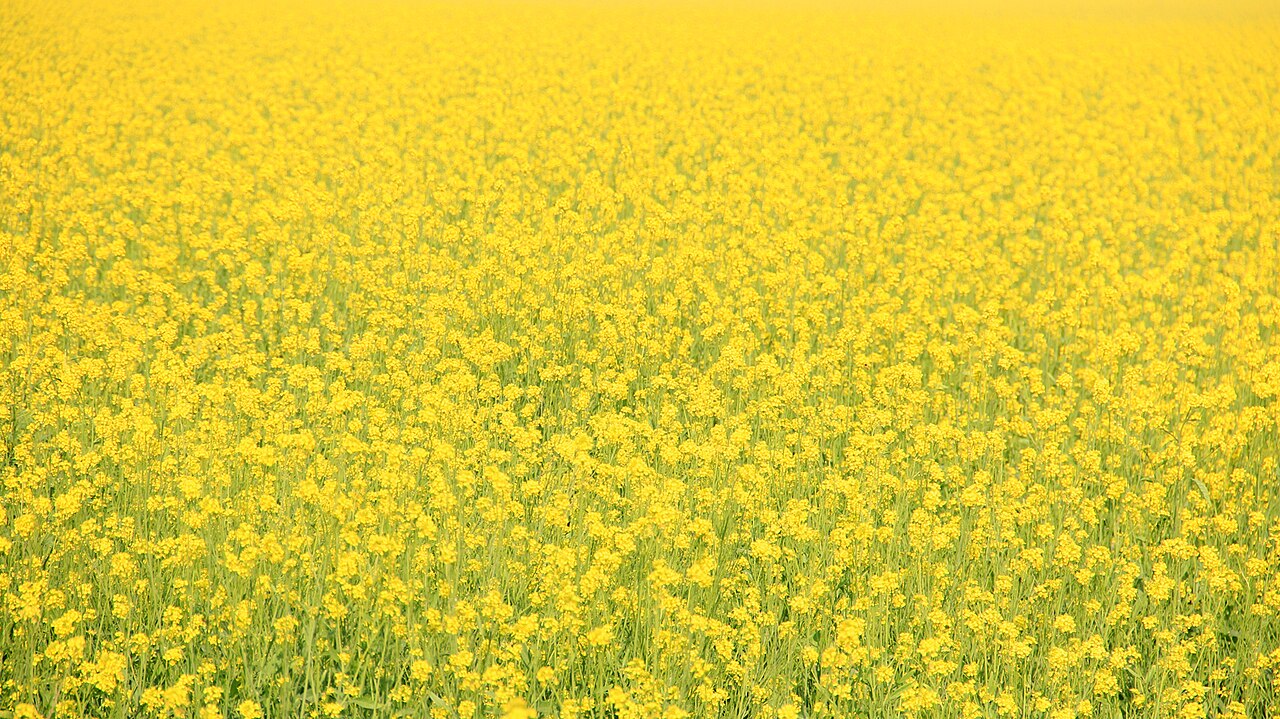
India's seed industry aims to raise the country's share of global seed trade from about 1% to 10% by 2035 while building self-reliance in oilseeds and pulses, the Federation of Seed Industry of India (FSII) said at its Knowledge Day in New Delhi, Krishi Jagran reports.
FSII values the industry at $3.6 billion and expects it to pass $5 billion by 2030. Chairman Ajai Rana, managing director of Savannah Seeds, called for a single national framework for seed regulation with predictable timelines, faster science-based approvals for new varieties, traits and technologies, and stronger intellectual-property protection, especially in oilseeds and pulses.
Rana said India spends well under 1% of GDP on research against 3-4% in developed countries, and cited research that every rupee spent on agricultural R&D returns 13. He said mustard hybrids developed by the industry yield one tonne an acre, and that diverting some land from wheat to mustard could raise incomes and help India become self-sufficient in edible oil within 10 years.
A study of vegetable farmers in five major producing states found 93% use hybrid seed and 68% buy it through dealers, with average cultivation costs of Rs 1.07 lakh an acre and a reported return of 2.7 times. Awareness of specific climate- and pest-tolerance traits remains limited, and farmers still rely on generic pesticide sprays.
"Farmers adopt better seed once they see the results in their fields," said Kishore Jaiswal, convenor of the National Farmers' Empowerment Initiative.
Photo: Nitin Das / Wikimedia Commons (CC BY-SA 3.0)
Source: Krishi Jagran
Comments
(0)