
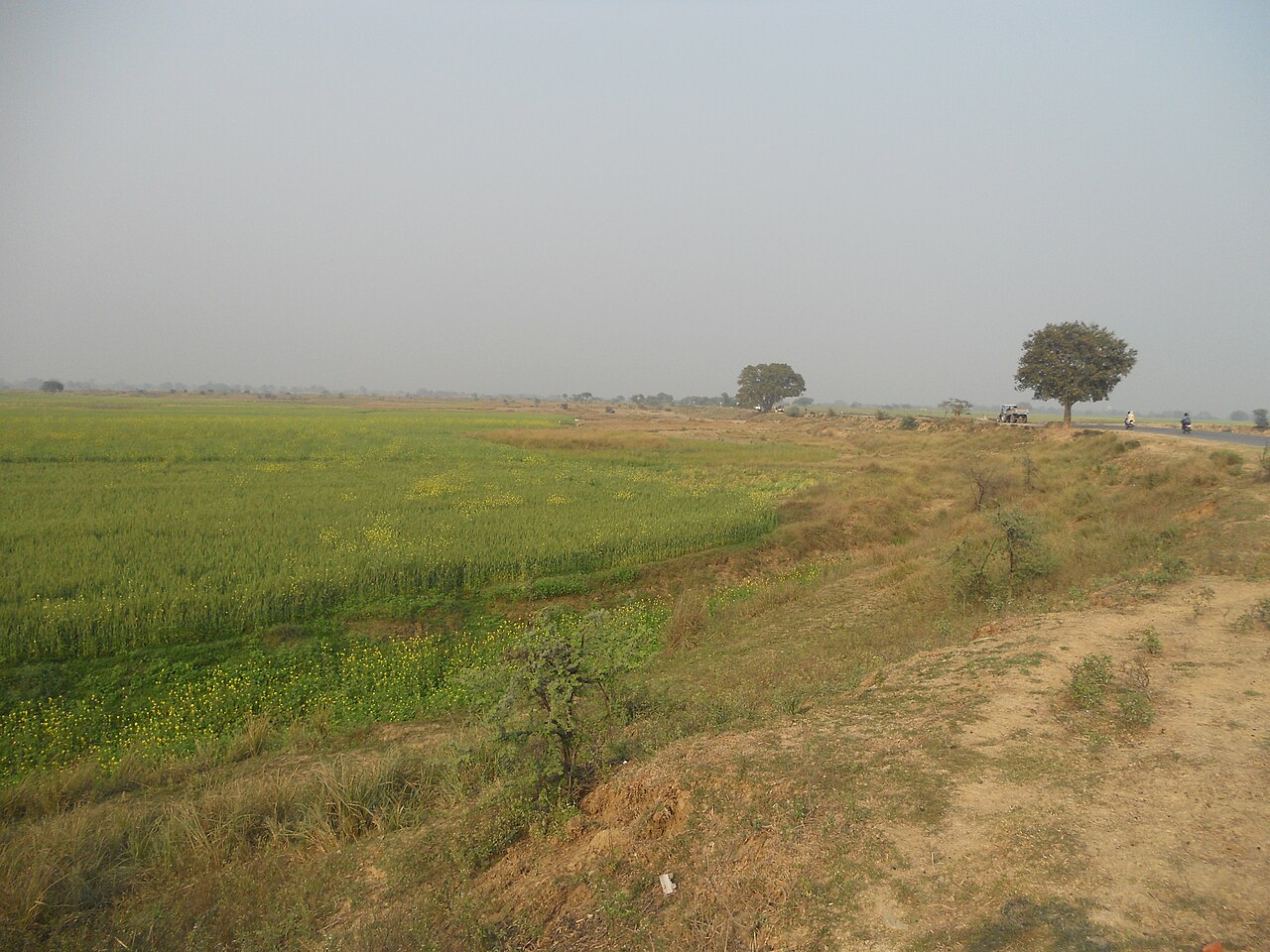
India is struggling to manage a rice surplus after record harvests. The country produced 154 million tonnes of rice in 2025-26, while domestic demand from its 1.4 billion people is 100.7 million tonnes. Citing an investigation by Reuters, Ajker Patrika reports that more than two-thirds of the central food subsidy now goes on rice, and that the subsidy bill has more than doubled in a decade to 2.28 trillion rupees ($24.1 billion) in 2025-26.
The investigation draws on correspondence between the centre and the states and on interviews with 10 government officials and more than a dozen scientists. India's rice output has risen 50 percent in ten years, and exports doubled to 22.3 million tonnes in 2025, about 40 percent of world rice trade. Agricultural economist Ashok Gulati, a former government price adviser, said taxpayers are in effect subsidising foreign consumers. Naveen Agarwal, a private miller in Cuttack, Odisha, said his mill has no space left.
Behind the growth are state bonuses paid on top of the central minimum support price (MSP) and new rice varieties. Swarna-SUB1, released in 2009 from a cross of the flood-tolerant FR 13A with the high-yielding Swarna, made rice a reliable crop in flood-prone eastern India. In 15 years Bihar's output rose 182 percent to 8.75 million tonnes and Odisha's 50 percent to 12.02 million tonnes. Chandramohan Yadav, a farmer in Sisoni village near the Kosi river, said floods once wiped out whole crops; now his family grows more rice than it eats.
But the bonuses are drawing land away from oilseeds and pulses, which India has to import, and add to pressure on groundwater. Government stocks reached a record 55.47 million tonnes on 1 October, more than four times the target; in 2025 India spent $22.7 billion importing oilseeds and pulses while earning $12 billion from rice exports. A senior official of the central food ministry called the situation frustrating, because rice-growing states keep pressing the centre to buy more. Abhishek Govilkar, head of agribusiness at the consultancy BigMint, said states use the bonuses to win elections, so they will not be easily persuaded to stop.
The surplus is also causing friction abroad. In mid-November Thai rice sold for about $497 a tonne, with Indian rice about $110 a tonne cheaper. US President Donald Trump accused India of dumping last December, a charge India rejected. Thailand has said India's huge stocks are putting pressure on its exporters.
Lower rainfall linked to El Niño may cut India's output in 2026-27, but with large stocks the US Department of Agriculture (USDA) still forecasts Indian exports to grow over the next two years. Rameshwar Sah, a senior scientist at the ICAR-Central Rice Research Institute, said researchers are now breeding varieties that tolerate both flood and drought, which could raise output further.
The report is by the Ajker Patrika desk, based on the Reuters investigation.
Photo: Ajay Pratap / Wikimedia Commons (CC BY-SA 4.0)
Source: Ajker Patrika

Comments
(0)