
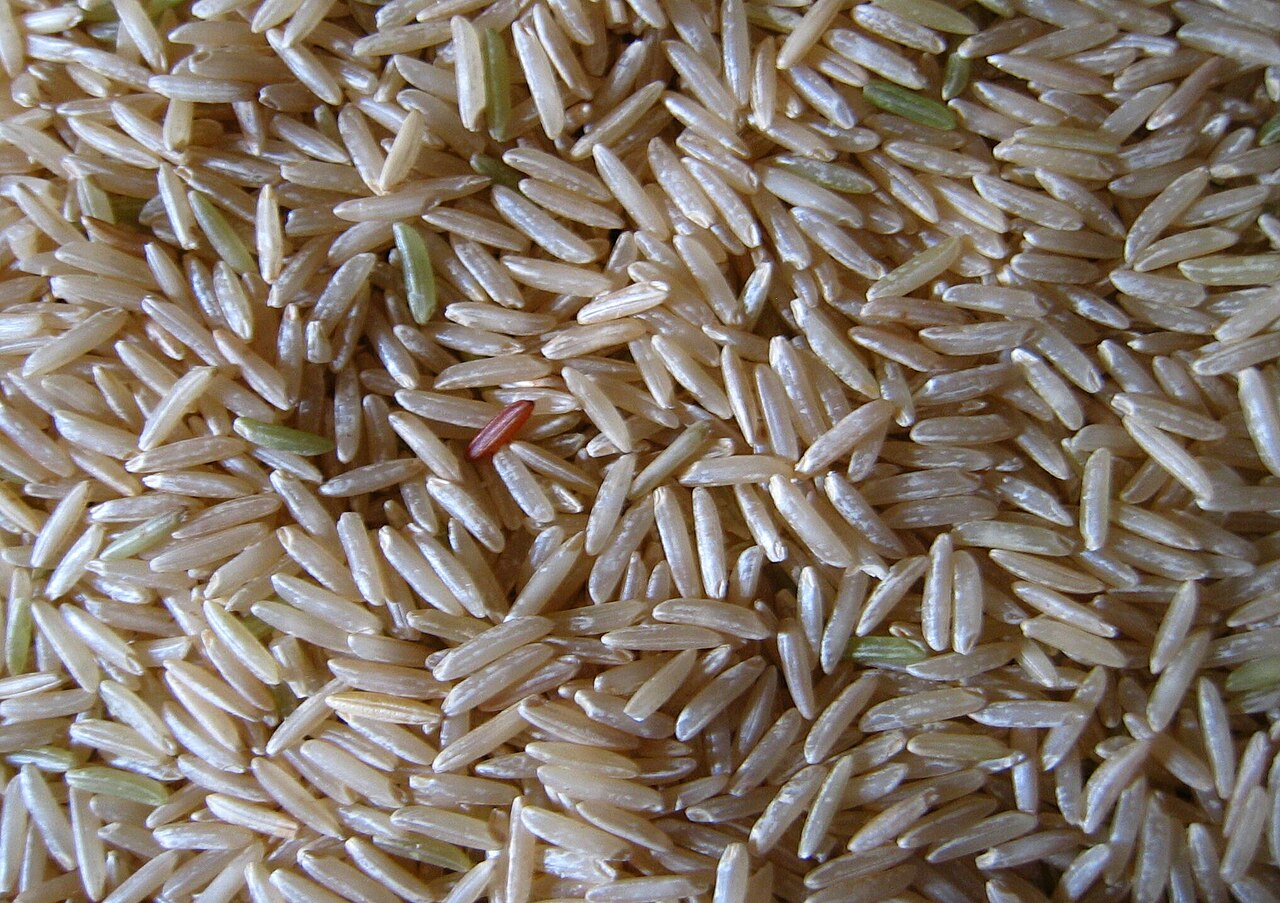
The Indian Rice Exporters Federation (IREF) has warned that pesticide residue and quality compliance failures are driving shipment rejections in key overseas markets, and is calling for stronger pre-shipment testing to protect India's position as the world's largest rice exporter.
India exported 20.19 million tonnes of rice worth $12.47 billion in 2024-25, according to APEDA data cited by the federation, so even a small share of rejected consignments means large losses. IREF listed residues above permitted limits, microbial and physical contamination, mismatched specifications, inconsistent testing between Indian and importing-country laboratories and documentation errors, but did not say what share of rejections is due to pesticides.
"Market access does not end when a shipment leaves the port," said IREF national vice president Dev Garg, arguing that compliance is a matter of competitiveness. The federation plans a session on compliance risk at the Bharat International Rice Conference on 23-25 October, from farm-level pesticide use to export paperwork, and a "Rice Export Compliance Alert" afterwards.
AgroPages notes that earlier studies by the Crop Care Federation of India found 97.18 percent of over 209,000 domestic food samples within residue limits and only 19 percent of India's export rejections pesticide-related. No regulatory action has been announced.
Photo: Ranveig / Wikimedia Commons (Public domain)
Source: AgroPages
Comments
(0)