
Hilsa is Bangladesh's national fish. Beyond that official status, Bengalis' love of hilsa has been well known for a very long time.
Mustard hilsa, hilsa pulao, hilsa dopiaza, hilsa paturi, fried hilsa, steamed hilsa, smoked hilsa and hilsa malaikari are among the many hilsa dishes popular in Bangladesh.
Yet for all this love, almost everyone is unsure how to judge a hilsa: which is good, which tastes better, which comes from the river and which from the sea.
Shape and colour
Dr Anisur Rahman, chief scientific officer for hilsa at the government's Fisheries Research Institute, says hilsa live in the sea all year and come into the rivers only to spawn.
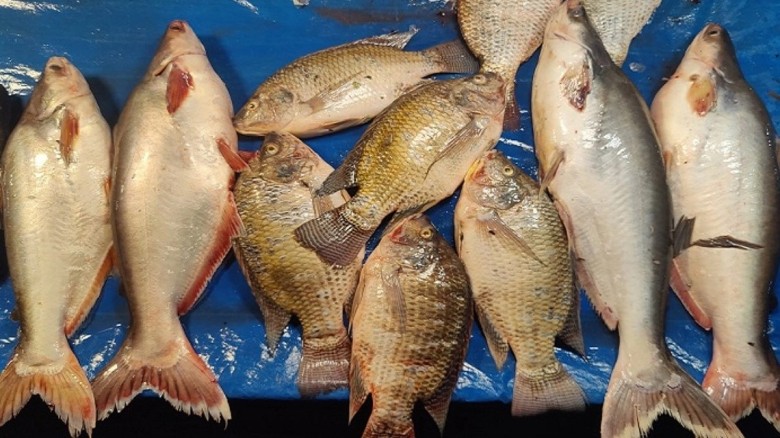
"Both kinds of hilsa are torpedo-shaped. But the river hilsa is a little shorter and stouter, while the sea hilsa is slim and long.
"River hilsa, especially from the Padma and Meghna, are also a little brighter. The river fish is shinier and more silvery. Sea hilsa are comparatively less bright."
In addition, river hilsa, especially from the Padma-Meghna basin, are shaped like a pointed gourd: the head and tail are narrow and the belly is thick.
Such a fish begins to round out from just above the tail.
The real test is on the plate
However, Mr Rahman says the real difference between river and sea hilsa shows when the fish is eaten.
Dr Rahman says that when hilsa come upstream from the sea into the rivers to spawn, they feed on the rivers' plankton, the tiny aquatic plants and animals, and this makes their bodies short and plump.
Source: BBC Bangla. First published in Bengali on The Agro News.
Comments
(0)