
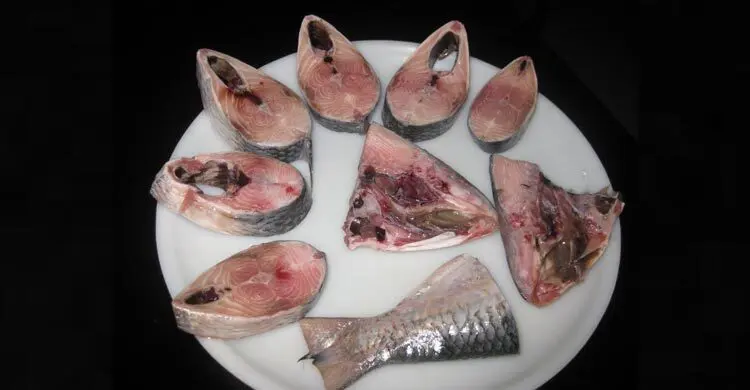
The very name hilsa makes everyone's mouth water. Demand for the fish rises during the monsoon compared with the rest of the year, and in the rainy season a variety of hilsa dishes is cooked in homes almost every day. It is not only tasty but also very good for health.
Hilsa is an oily fish containing various vitamins and minerals. It is rich in omega-3 fatty acids, chromium, selenium, polyunsaturated fatty acids, potassium, iodine and zinc, all nutrients the body greatly needs.
According to experts, 100 grams of hilsa contains about 21.8 grams of protein, along with plenty of omega-3 fatty acids, vitamins, sodium, calcium, magnesium and minerals.
Heart, joints and eyes
1. Hilsa contains much less saturated fat than other fish, and it is rich in omega-3 fatty acids. Both help lower blood triglyceride levels and raise good cholesterol, keeping the heart healthy.
2. As a sea fish, hilsa is rich in omega-3 fatty acids such as EPA (eicosapentaenoic acid) and DHA (docosahexaenoic acid), which help reduce inflammation and the risk of heart disease and support proper foetal development. Eating hilsa also improves blood circulation.
3. Many people suffer from joint pain. The omega-3 fatty acids in hilsa help prevent osteoarthritis and rheumatoid arthritis. Because omega-3 fatty acids have immunomodulating properties, they act as precursors of lipid mediators of inflammation and can therefore regulate the inflammatory response.
4. Hilsa also helps eyesight. Its omega-3 fatty acids help prevent diseases such as macular degeneration, and the fish also contains vitamin A, which acts as a shield against night blindness.
5. Hilsa is good for the lungs as well. Various studies show that sea fish improve lung health, and since hilsa is a saltwater fish, its nutrients also keep the lungs healthy. Hilsa is considered excellent for people with asthma.
Muscles, skin and digestion
6. Hilsa helps build muscle. It contains an amino acid called L-arginine, which is responsible for making protein in the body and further helps build muscle and rebuild tissue. Being rich in protein, hilsa helps protect the muscles.
7. The fish keeps the skin and stomach healthy. Its omega-3 fatty acids protect the skin from the sun's ultraviolet radiation, and eating fish daily gives protection from eczema and psoriasis.
8. The protein found in hilsa is a component of collagen, a fibrous, rigid, insoluble protein that acts as a supporting structure and binds cells together.
9. The vitamin C in hilsa also helps form collagen, maintaining the skin's flexibility and elasticity. Collagen keeps the skin firm and soft, which helps prevent premature ageing.
10. Eating hilsa greatly reduces stomach problems. Omega-3 fatty acids protect the body from stomach ulcers and colitis.
Brain, bones and minerals
11. The fatty acids in hilsa improve the brain and the growth of nerve cells. The human brain is 60 percent fat, and fatty acids improve blood circulation in the brain. The vitamin B12 in hilsa also keeps nerve cells healthy.
12. Hilsa is good for bone health. Its vitamin D helps maintain healthy bones and muscles. According to the NHS, vitamin D helps regulate calcium and phosphate in the body, keeping bones strong and healthy for a long time. The fish also contains calcium and iron.
13. Hilsa is full of minerals. Rich in chromium, selenium, potassium and zinc, it is very necessary for the body. Zinc is a trace mineral that supports immunity and repairs damaged tissue.
14. Chromium is another mineral that maintains blood sugar levels, while selenium helps protect cells from damage and infection.
15. The potassium in hilsa helps maintain normal fluid levels inside cells, while iodine plays a key role in making thyroid hormone.
Who should be careful
According to experts, you can have hilsa on your plate daily to get all its nutrients, but it must be eaten in moderation and not to excess. Many people are allergic to hilsa, and they should not eat it without a doctor's advice.
Because of the risk of marine contaminants such as mercury and other heavy metals, pregnant and breastfeeding women are advised not to eat hilsa.
Compiled from Health and Healthier and Organic Facts.
Source: Jagonews24. First published in Bengali on The Agro News.


Comments
(0)