
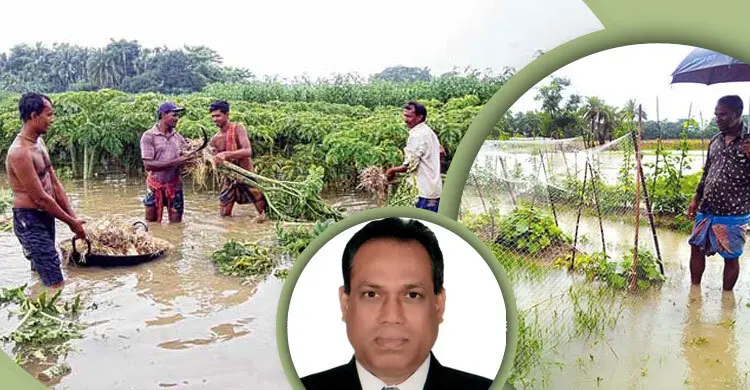
At times a heatwave leaves people and nature exhausted; then sudden heavy rain cools, calms and cleanses the earth. Washed clean, the green trees and fields lift the spirits, but the rain also brings a great deal of work on the farm. Here are the essential tasks for farmers during heavy rain.
Crops and livestock
- Harvest mature vegetables quickly.
- Drain excess water from the fields.
- Dig drainage channels around vegetable plots to avoid waterlogging.
- Keep the drainage channels of aman rice fields clear so water cannot collect.
- Raise the ridges around aman rice fields.
- Hold off on irrigation, fertiliser and pesticide.
- Provide stakes for bananas and upright vegetables.
- Tie up sugarcane clumps.
- Keep livestock and poultry housing clean and dry.
Fish, seed and later crops
- Raise the banks around ponds and, if possible, fence them with nets or bamboo mats so the fish are not washed away by excess water.
- Store boro rice and other seed high up in suitable containers so rain or damp does not spoil it.
- If flooding is likely, harvest early-planted aus rice once it is 80 per cent ripe, then thresh, dry and store it properly.
- If no high land is available for aman seedbeds, seedlings can be raised in floating seedbeds.
- In drought-prone and saline areas, dig a mini pond in one corner of the field to hold rainwater for supplementary irrigation later.
- Once mature, harvest maize cobs before the rain spoils them, and dry them in the sun on the veranda before storing.
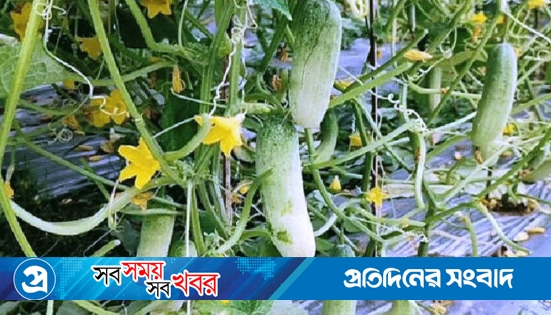
- Weed around the base of vegetables grown in this season, such as stem amaranth, gima kalmi, Indian spinach, snake gourd, sponge gourd, cucumber, okra and aubergine, and earth them up if necessary.
Source: Jagonews24. First published in Bengali on The Agro News.
Comments
(0)