

Hakaluki, the largest haor in Bangladesh, spreads across Sylhet and Moulvibazar districts and is one of the country's four main "mother fisheries". Made up of 276 interconnected beels of various sizes, it covers 18,115 hectares. Much of it is covered by swamp forest, rich in floating aquatic plants, rooted plants, medicinal plants and highly water-tolerant species such as hijal, koroch, barun, bontulsi, reed, water chestnut, helencha, balluya and challiya, along with many small aquatic plants.
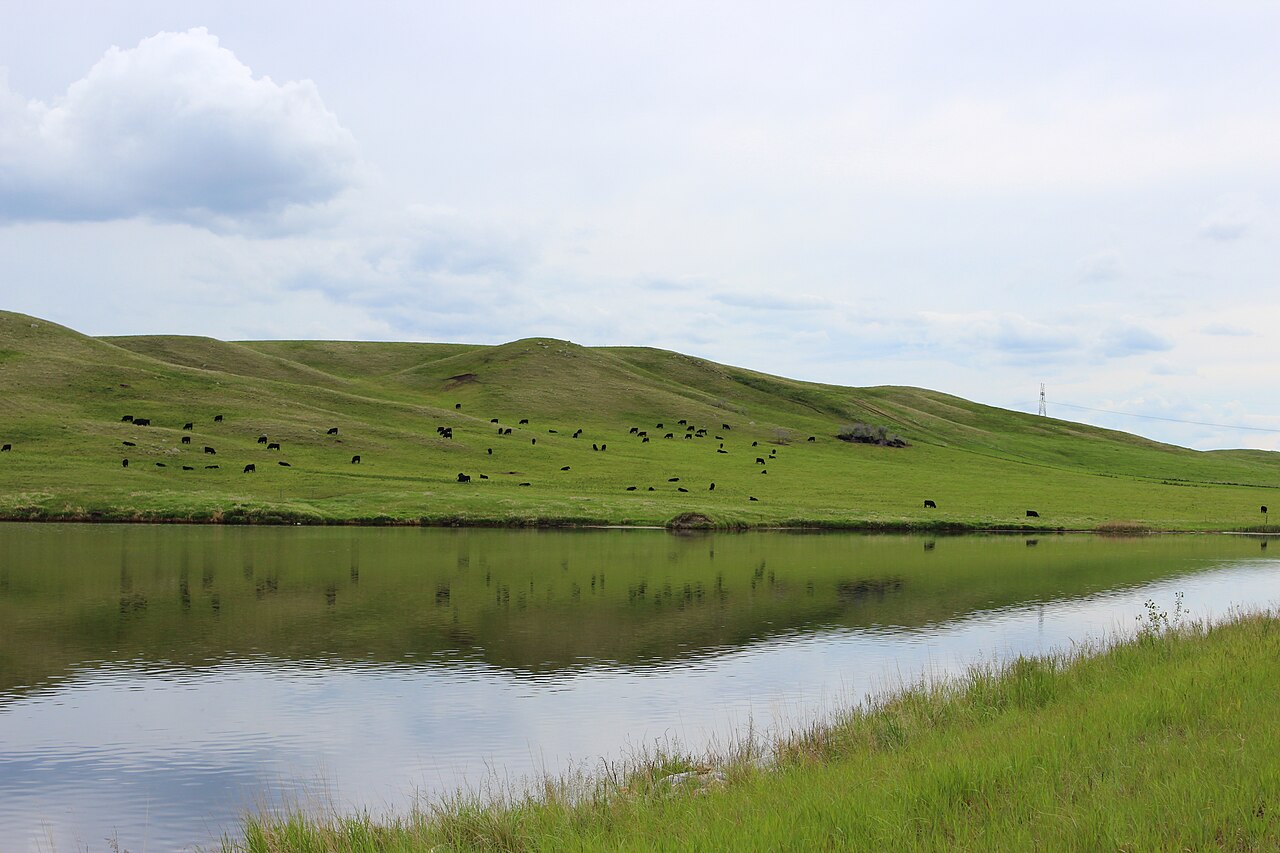
The forest is home to many kinds of wildlife and birds. But a lack of proper planning, free grazing by cattle and buffalo and the felling of trees have put its biodiversity at risk. Because of these problems the vast swamp forest cannot be maintained, and Hakaluki's biodiversity is on the brink.
A vast wetland fed by hill water
According to the Forest Department and the fisheries office, the area is bounded by Meghalaya in India to the north, the Assam and Manipur hills to the east and the foothills of Tripura and Mizoram to the south. Because of the many hills upstream, flash floods inundate Hakaluki every year. The 276 small, medium and large beels then fill and merge into one huge body of water of about 18,115 hectares. In the dry season the beels alone cover about 4,925 hectares.
The haor spreads across Barlekha (40 per cent), Kulaura and Juri (30 per cent) in greater Moulvibazar, and Fenchuganj (15 per cent), Golapganj (10 per cent) and Beanibazar (5 per cent) in greater Sylhet. About 190,000 people live around it, and its fisheries are very rich.
Forest cut for fuel
The haor's aquatic biodiversity is under threat and its natural environment is on the verge of ruin. People living on its banks say the forest is being destroyed in many ways: large trees are cut for fuel and other uses, and no one from the Forest Department looks after it. The trees break the haor's waves in the monsoon, protecting homes and roads on the shore; they provide food and shelter for fish in the rainy season; and wildlife and birds take refuge inside the forest. The aquatic plants are food for many fish. Hakaluki was once full of tasty freshwater fish of every kind, migratory and local birds, aquatic plants, shrubs, creepers and reeds, and many medicinal herbs. Today all of this has been destroyed.
The haor's fauna is very rich. About 558 species of wildlife, including various winter migratory birds, have been identified, among them endangered, threatened and rare species. Mammals include the fishing cat, jackal, palm civet, mongoose and rats. Birds include the rare Pallas's eagle and the large grey kingstork, along with bali hansh, lenja hansh, purple swamphen, common coot, morcha bhutihansh, piyong hansh, pantamukhi, red-headed bhuti hansh, lalshir, dubri, cormorant, dahuk, white egret, kingfisher, the Bengal vulture, cranes and the brahminy kite. There are several species of frog and several of turtle, snake and lizard, and the haor is home to more than a thousand invertebrates.
Older people on the haor's edge say every beel was once full of aquatic plants and creepers. In winter they were so thick with singra, water chestnut, erali and moss that the water could not be seen from outside. Alongside fish, each beel had plenty of aquatic creatures and insects, such as snails, mussels, gugail and photkona, which fed the fish and migratory birds. The beels were deep and held large, tasty rui, catla, mrigel, kalo baus, air, boal, shol, gajar, pangas and ghonia, and small fish such as koi, magur, pabda, shing, puti, tengra, bhera, mola, rani and bacha. Hilsa were once found too. In a word, there was no fish that could not be found in the haor. Many species, such as pangas, ghonia, pabda, rani, shing and magur, have now disappeared or are disappearing.
The rows of hijal trees are gone. Felled for firewood in defiance of the rules, their loss has robbed Hakaluki of its youth and endangered its biodiversity. There were once thousands of hijal trees across the haor. Villagers nearby have also cut the shrubs and creepers near their homes for fuel, and these too have been wiped out.
Officials say one guard is not enough
Environmental activist Kabir Ahmed said the tree felling has been reported in writing to the administration, the Forest Department and the police. With secret felling and free grazing by cattle and buffalo inside the forest, it is now on the verge of destruction.
Sylhet divisional forest officer Mihir Kumar Dey told Jagonews24 that a single forest guard cannot stop the free grazing of cattle and buffalo, nor the felling of trees across such a vast haor. Everyone's collective effort is needed, he said. The Forest Department is working to protect the haor's biodiversity, and a project proposal to create more forest land has been sent to higher authorities.
Source: Jagonews24. First published in Bengali on The Agro News.
Comments
(0)