
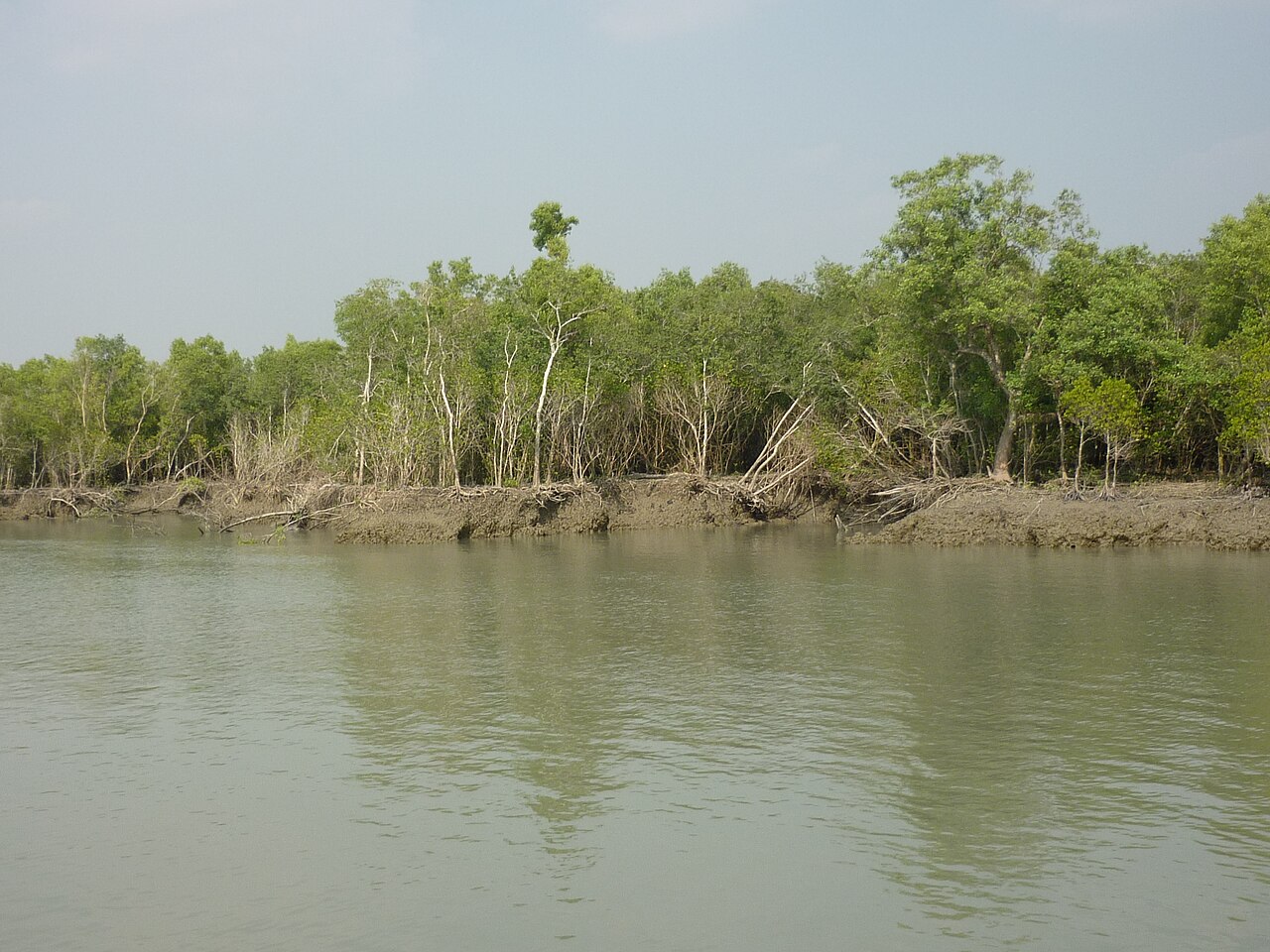
More than a million species are at risk of extinction because of human activity, UN Secretary-General António Guterres has warned. Climate breakdown, overgrazing and pollution from excessive fertiliser and pesticide use are deepening the twin crises of biodiversity loss and climate disruption, a Barta24 feature desk report says.
Guterres said the Kunming-Montreal Global Biodiversity Framework agreed four years ago had spurred action: about 90 percent of member states have set national biodiversity targets and more than half have national action plans.
Citing recent reports by the UN environment agency and WWF, the article says extinction is now running roughly 100 to 1,000 times the natural rate. More than half of world GDP, about US$44 trillion, depends moderately or highly on nature, yet 75 percent of the land surface and 66 percent of the marine environment have been heavily altered or damaged by people.
The 2022 framework aimed to protect at least 30 percent of land and water by 2030. The article says poor local coordination and a lack of scientific strategy mean that goal is still a long way off.
It describes Bangladesh as an important global biodiversity hotspot. Since overuse of fertiliser and pesticide is one cause of the loss, there is a message for farmers too: pollinators, soil life and fish in ponds are part of what keeps crops going.
Photo: David M. / Wikimedia Commons (CC BY 3.0)
Source: Barta24
Comments
(0)