
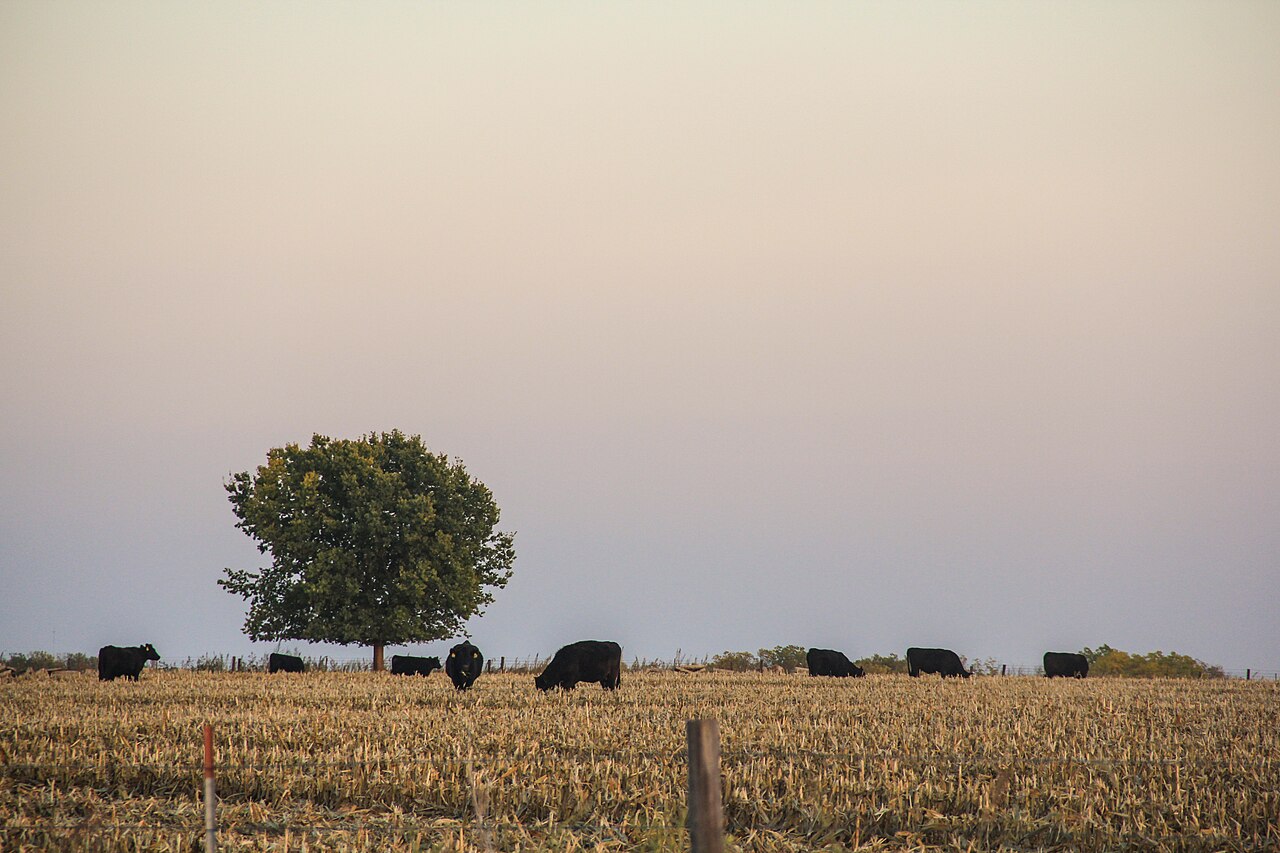
Corn left in the field after harvest can be a cheap feed for cattle and sheep before farmers start on their more valuable hay, John Yost writes in a column for Farm and Dairy. Where fencing exists or temporary fence is easy to put up, the stalks can be grazed; where hay is short, they can also be baled.
His rule of thumb is about 16 pounds of residue for every bushel of grain. A 200-bushel crop leaves roughly 3,200 pounds of dry matter an acre, of which about half, 1,600 pounds, is available to animals. Since a ruminant eats about 2.5% of its body weight a day, each acre can carry 1,000 pounds of animals for about 60 days.
Quality varies by plant part. Grain has the most protein (10%) and digestibility (90%), followed by leaves (6.5% protein, 46% digestibility), husks (3.5%, 61%), stalks (4.1%, 45%) and cobs (2.8%, 35%). Animals pick the grain, leaves and husks first, which also means they eat the stalks, where nitrate can concentrate, last. Animals in good condition that move through quickly need little extra protein, mineral or vitamin A; keeping them longer to clean up the field needs added energy, and a nutritionist should help design it.
The main risk is downed corn: animals drawn to patches of fallen grain can eat enough to cause acidosis. Strip grazing prevents that and uses the whole field better.
Grazing does not hurt the next crop. Research at the University of Nebraska and South Dakota State University found no effect on the following year's grain yield; winter freezing and thawing loosens compaction, and grazing recycles nutrients. Baling is different: stalks removed take nutrients with them, so next year's fertiliser should be planned as for corn silage rather than grain corn.
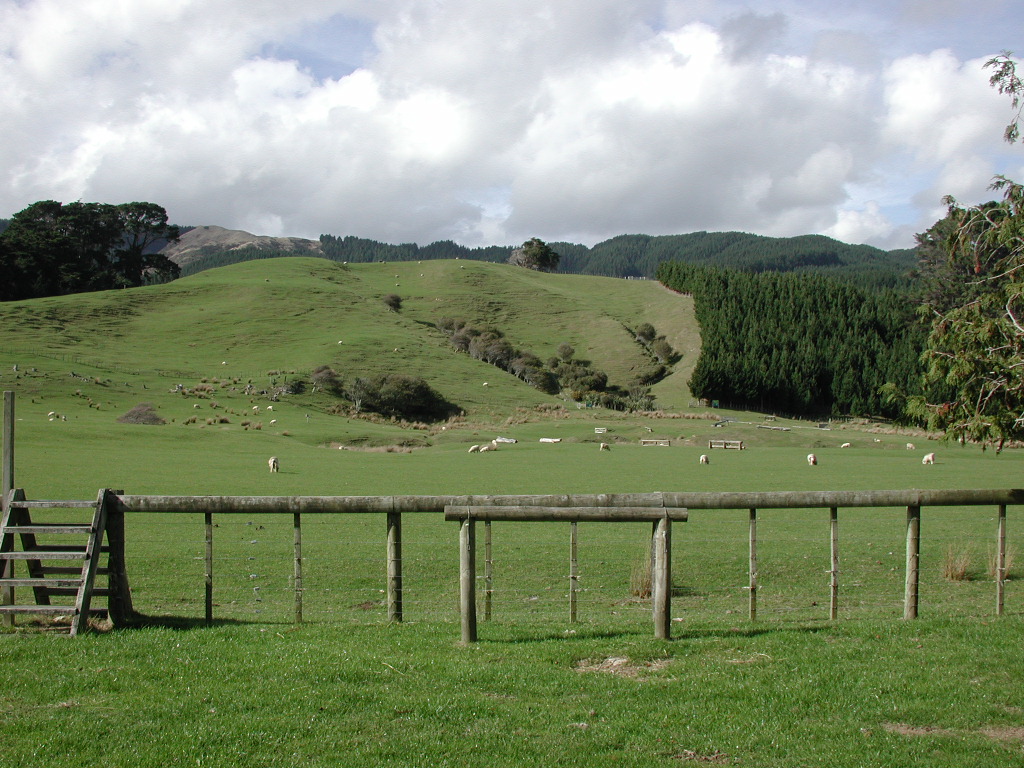
Photo: Cecilia Lynch, USDA / Wikimedia Commons (public domain)
Source: Farm and Dairy
Comments
(0)