
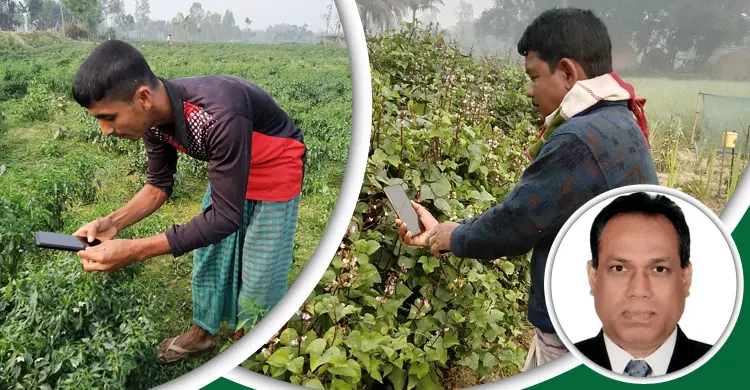
Our food comes primarily from crops, livestock and fisheries, and these three sources have played an immense role in Bangladesh's socio-economic development. Output of crops, fruit, vegetables, livestock and fish has risen many times over, as new improved varieties and production technologies developed through research have reached farmers despite many adversities. Food and nutrition security has improved commendably, and Bangladesh has been recognised worldwide as a role model for developing every branch of agriculture.
Bangladesh is now second in the world in jackfruit production; third in rice, vegetables and onions; seventh in mangoes and potatoes; eighth in guava; and tenth in seasonal fruit. It is also third in fish production from inland waters, first in hilsa, second in goat milk, fourth in goat numbers and goat meat, and twelfth in livestock production.
Food hazards
Food safety is one or more science-based steps that protect food from various hazards in order to protect consumers' health. Anything in food that can contaminate it or cause disease, and is thus harmful to human health, is called a food hazard. Hazards are physical, biological, chemical or allergenic.
To tackle them, emphasis is placed on preventive safe food management alongside remedial management. Everyone from food producers to those involved in transport, storage, distribution and marketing, and food workers in the food business, has an important role in controlling food-related hazards.
Nutrition and safe food
Among the basic human needs of food, clothing, shelter, education and healthcare, food comes first. One can compromise on the others, but it is impossible to live without food. From birth a child's first need is food, which is essential for growth. If that food is not safe and nutritious, the child's normal growth is hampered and its intellect does not develop; instead of becoming a human resource, the child becomes a burden. Food safety is thus bound up with personal, family, social and national development and stability.
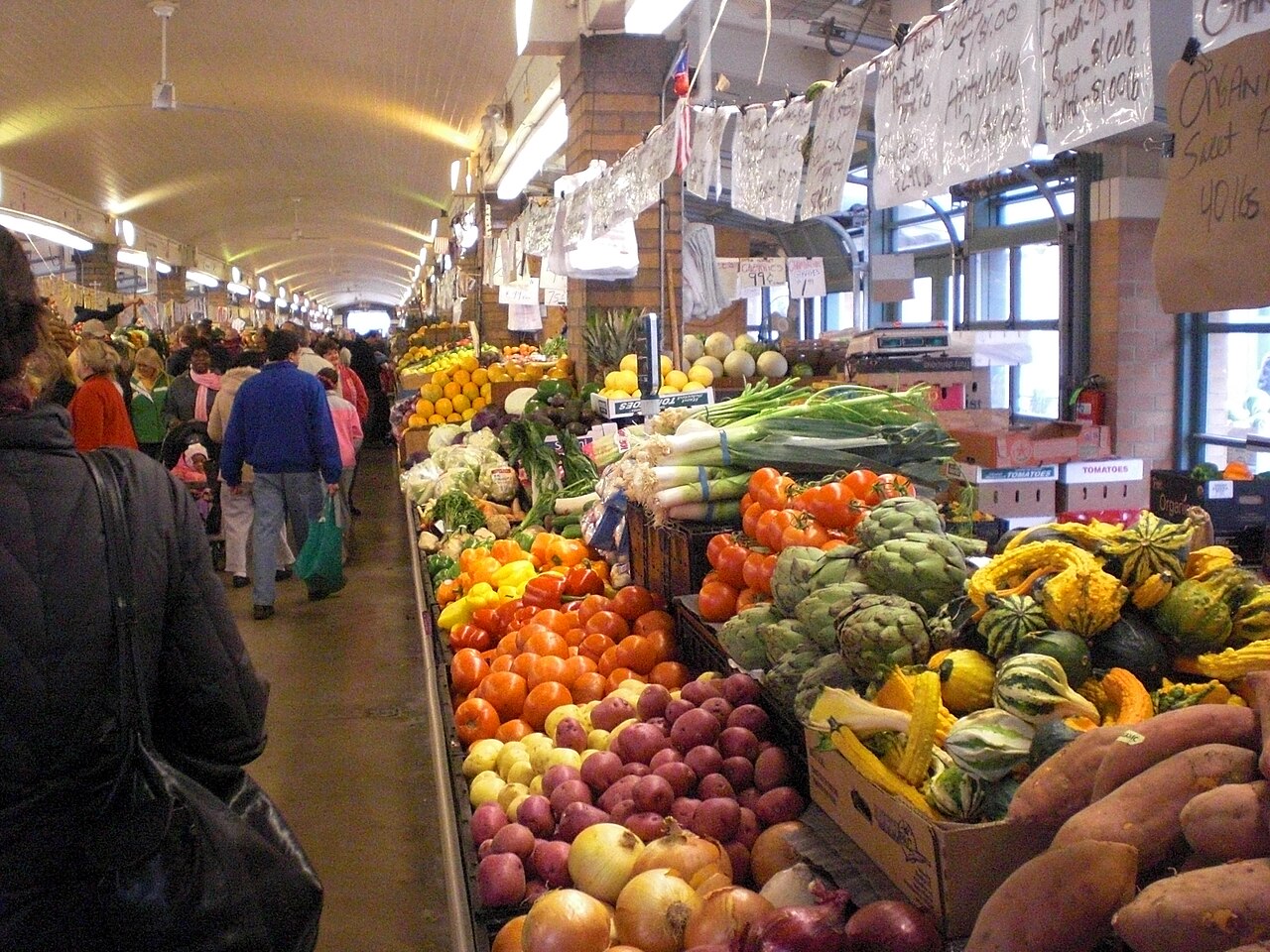
According to the World Health Organization, a person needs to eat at least 400 grams of vegetables and fruit a day for good health: 200 grams of fruit-type vegetables, 100 grams of leafy vegetables and 100 grams of fruit. In a word, the precondition for a healthy nation is access to safe food with food security and balanced nutrition. Nutritious food that is not safe serves no purpose and can instead cause disease or death, so all food should be safe.
Bangladesh has already achieved self-sufficiency in cereals, especially rice. The Ministry of Agriculture and other bodies are working tirelessly to carry out the Prime Minister's directive that not an inch of land should be left uncultivated.
To this end, the Bangladesh Food Safety Authority has signed memorandums of understanding with the Department of Agricultural Extension (DAE), the Department of Fisheries, the Department of Livestock Services and other stakeholders. To introduce effective safe food management and implement the Safe Food Act 2013, the authority has been directing food industries and processing factories to follow standards and guidelines such as HACCP, GMP, GHP and ISO 22000.
Good Agricultural Practices
According to the Food and Agriculture Organization of the United Nations, good farming practice is Good Agricultural Practices (GAP). GAP is vital to strengthening environmental, economic and social protection by making safe, quality food and non-food farm products widely available. Applying GAP on farms and along the supply chain makes it possible to ensure a supply of safe, quality food at the stages of production, harvesting, transport, storage, marketing, distribution and post-harvest processing. It also protects human health and the environment, helps products meet international standards and improves working methods. The Ministry of Agriculture has already formulated the Bangladesh Good Agricultural Practices Policy 2020 and taken steps to apply it in the field.
The PARTNER project
The largest project ever taken up in the farm sector has been formally launched to ensure food and nutrition security by turning today's agriculture into sustainable, safe commercial agriculture for the Bangladesh of the future. The Programme on Agricultural and Rural Transformation for Nutrition, Entrepreneurship and Resilience in Bangladesh (PARTNER) is estimated to cost about Tk 7,000 crore.
Its main activities include:
- bringing an additional 3 lakh hectares of fruit and vegetable land under GAP certification;
- raising cultivated land by a total of 4 lakh, including by developing new climate-resilient, high-yielding rice varieties and varieties of cereals other than rice;
- bringing 1 lakh hectares of new cultivated land under irrigation through improved, efficient irrigation technology;
- expanding digital farm services by giving "Krishak Smart Cards" to 2,27,53,321 farming families across the country, in line with the pledge to build a Smart Bangladesh.
Horticultural crops, laboratory set-up and seed testing will be strengthened under the project. Subsidies will be given through e-vouchers, a digital financial system will be built for farmers, and extension services will be taken to farmers' doorsteps through mobile plant clinics.
How GAP is to be implemented
The foundation of GAP is following specific practices correctly at every level of the food chain. Because of worldwide dependence on food imports and exports, there is a risk of heavy metals, pesticide residues and microbial contamination spreading through the food chain, a major public health risk. Many countries have therefore imposed strict rules on food imports and exports to ensure food safety.
Residues of chemicals applied to crops, contaminants, heavy metals or toxic substances, insects, disease-causing micro-organisms, commercial contaminants and other substances can enter food at any stage of the food chain. Safe food risks therefore need to be identified and prevented or removed at every stage. Crops grown under GAP are safe to eat because food quality, risk reduction, environmental balance, and the health, safety and welfare of workers are ensured at every stage of production.
That is why Bangladesh has moved to follow and implement GAP in line with international trends. With a time-bound action plan drawn up and properly applied, it will soon be possible to implement and manage the policy and secure its benefits. If food is not made safe at the primary production stage, it can never be made safe through processing.
GAP is therefore extremely urgent. Without good fish farming practices and good animal husbandry practices alongside it, the desired result, food safety, will remain out of reach.
The writer is a lead agriculturist based in Dhaka.
Source: Jagonews24. First published in Bengali on The Agro News.
Comments
(0)