
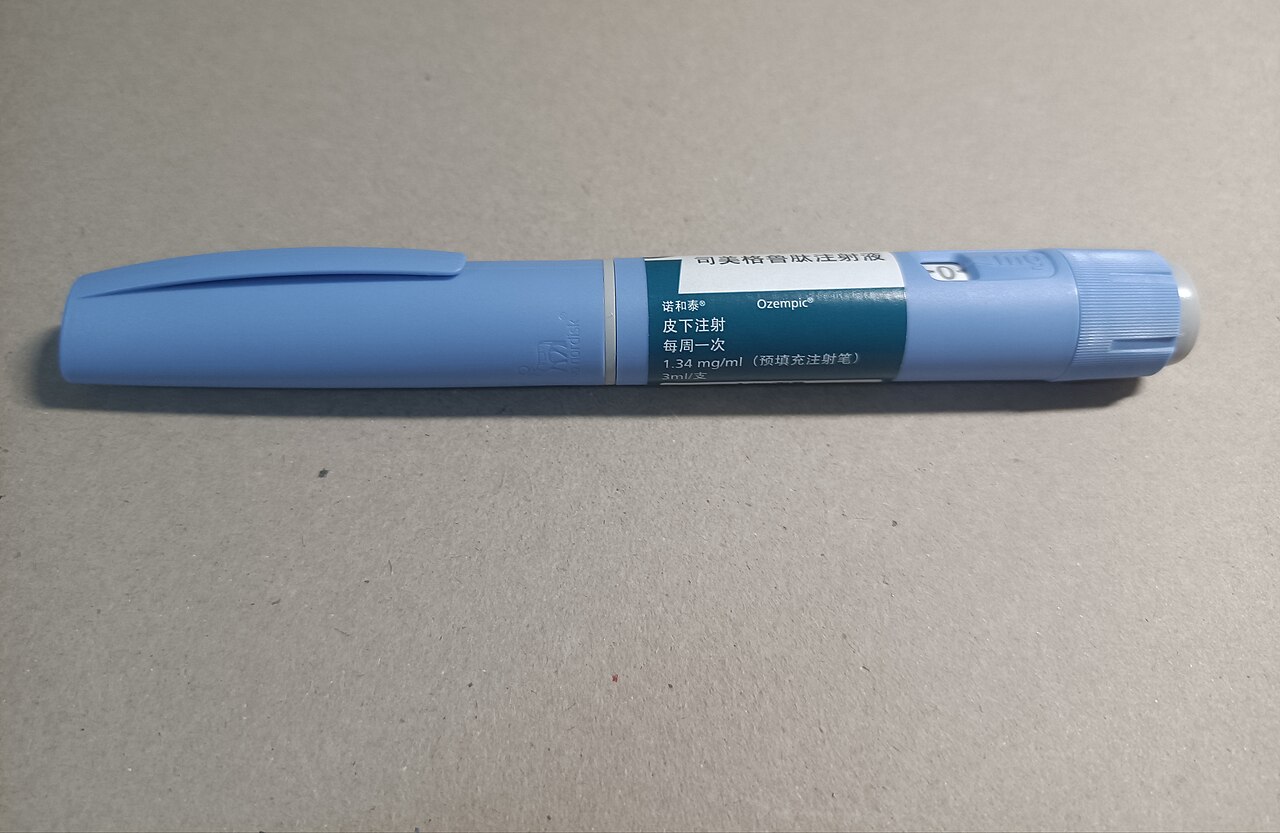
Around 12% of adults in the United States have used GLP-1 medications for weight loss. Take-up in Europe has been slower, at about 2% of adults, but interest is growing fast, and analysts expect the European market for the drugs to grow by 5-12% a year. A FoodNavigator analysis asks what that means for the food people on the drugs eat.
The drugs work partly by controlling appetite: users feel full sooner, eat smaller portions and eat less overall. That helps weight loss, but if it is not managed it risks nutrient deficiencies and loss of muscle. Food makers can reduce that risk with products that pack protein, fibre and micronutrients at higher density, so-called GLP-1 companion foods.
The hard part is making such food pleasant to eat. Above certain levels protein and fibre change taste and texture; many plant proteins bring off-flavours, and too much protein or fibre makes food gritty.
A second effect complicates the task. There is growing evidence that the medications change food preferences, taste perception and eating patterns. Some studies suggest users want fewer sweet, salty and fatty foods, though the effect seems to vary with the drug and how it is given. Better established is a preference for smoother, creamier foods, which the right mix of ingredients and processing, such as different heating methods or homogenisation, can deliver even in dense products.
Some studies also hint that the drugs change the make-up of the gut microbiome, partly because users eat less, and especially less fibre. More research is needed to confirm this and to understand what it does. If the changes are real, foods with specific fibres that feed the affected microbes could help offset them.
There is another possibility. GLP-1 is a natural hormone released in the gut in response to certain nutrients, including peptides and amino acids from digested protein and short-chain fatty acids that gut microbes make from fibre. Foods could be designed to raise the body's own GLP-1, for example high-protein drinks taken before a meal to trigger fullness earlier. The effect would be far shorter than the drugs', but such products could help people who cannot or do not want to take medication.
Processing matters here too: milling and heat treatment change particle size and the structure of nutrients, which affects how the body senses them and so how much GLP-1 it releases.
The science is young, the analysis concludes, but strong enough to justify first-generation companion products that reduce the risk of deficiencies during weight loss.
Photo: HualinXMN / Wikimedia Commons (CC BY-SA 4.0)
Source: FoodNavigator




Comments
(0)