
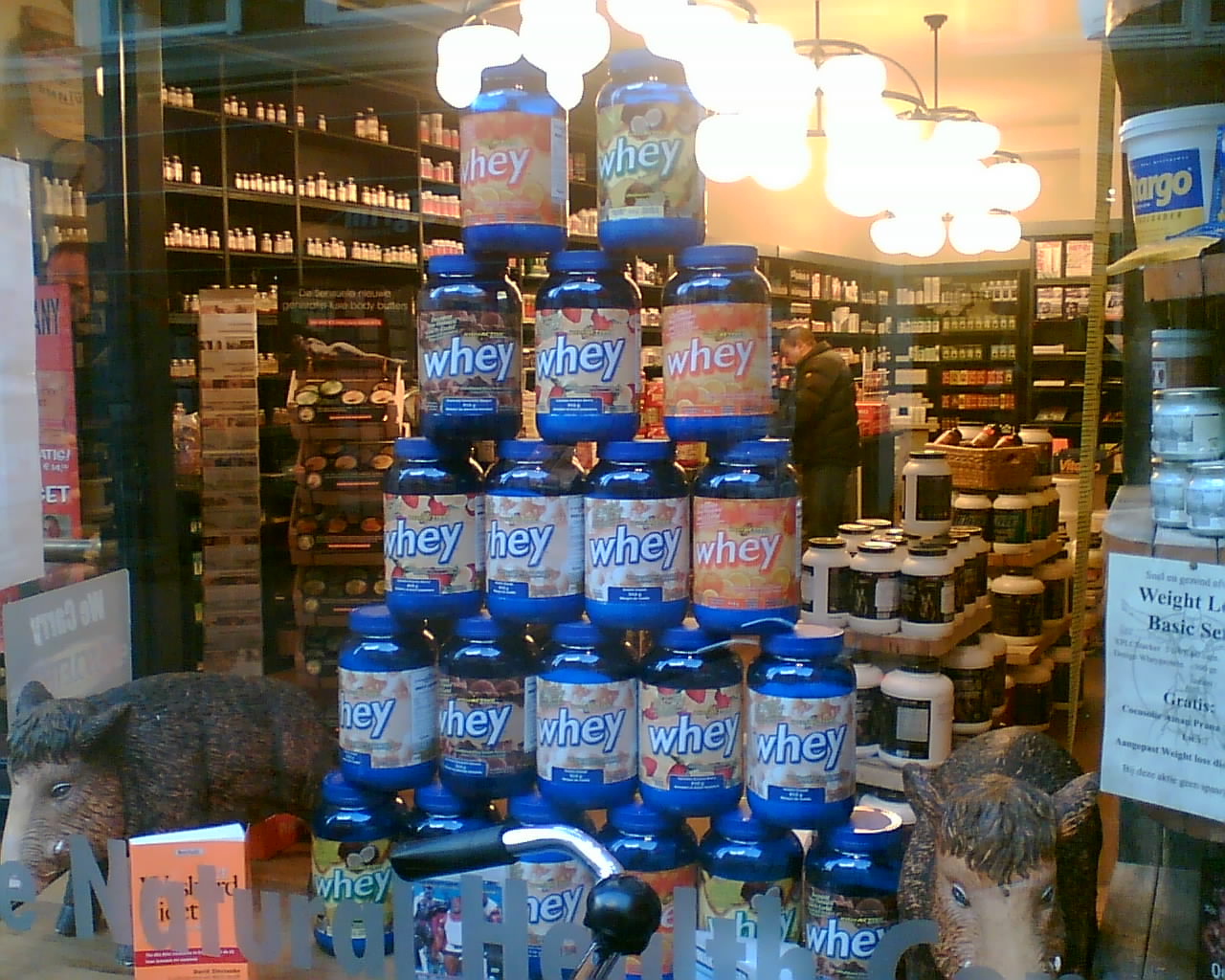
People taking GLP-1 weight-loss drugs are adding to demand for dairy protein, particularly whey, in a market that was already tight, analysts and dairy companies told FoodNavigator reporter Augustus Bambridge-Sutton. Users of the drugs eat less, so they need more nutrients packed into smaller portions, and protein helps them limit the loss of muscle that often comes with the treatment.
Whey proteins are "at the forefront" of this demand, said Tom Booijink, senior dairy specialist for Europe and Africa at Rabobank, especially whey protein isolate and concentrate. Once a product for gym-goers and bodybuilders, whey has gone mainstream, and Jasper Endlich, dairy market analyst at the commodity analytics firm Vesper, said GLP-1 users are part of the reason for recent whey shortages.
Manufacturers are also turning to milk protein concentrates, which are about 80% casein and 20% whey. Randy Steenbergen of Valona Intelligence said around 90% of products with added protein use milk protein concentrate, while whey dominates gels, bars and snacks. Booijink said protein enrichment has spread from sports nutrition into bars, ready-to-drink beverages, desserts, yoghurts and even the foam on hot drinks.
Arla Foods senior nutrition scientist Jemma Milne said GLP-1 users are also turning to dairy foods such as kefir and skyr, which offer high-quality protein alongside vitamins and minerals. Companies including Arla, Yili and Saputo have named GLP-1 drugs as a driver of demand, Steenbergen said, and a Danone spokesperson said the drugs are a key part of the drive for high-protein products. Products that openly claim to be GLP-1 friendly are still rare in European shops.
"GLP-1s have not created the dairy protein boom, but they have certainly put a thumb on the scale of an already tight market," Booijink said, calling the drugs a very powerful catalyst rather than the sole driver. He said their exact impact is hard to quantify.
Photo: Adrem68 / Wikimedia Commons (public domain). Whey powder.
Source: FoodNavigator




Comments
(0)