
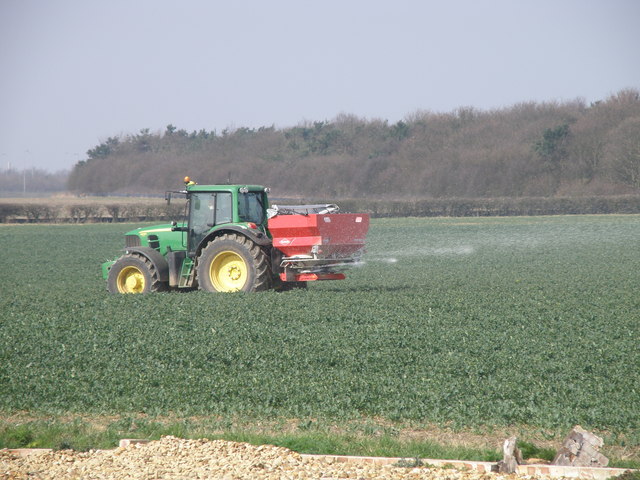
Global urea prices have eased as China's surge in exports calms supply fears that followed the Strait of Hormuz disruption, FarmingPortal reports. Even so, at $443 a tonne prices remain 13.6% above last month and 13.2% above a year earlier, according to Trading Economics data.
The clearest sign came from India, the world's largest urea importer. State-run Rashtriya Chemicals and Fertilizers (RCF) sought 1.7 million tonnes in a tender, and China is expected to supply about 1.2 million tonnes of it. The lowest offers, from trading house Ameropa, were $390.25 a tonne for India's east coast and $393.65 for the west coast, with cargoes due to leave loading ports by 24 September, 58% below the $935-959 a tonne India paid in an emergency purchase in April.
China has changed course since the spring. It has expanded its 2026 urea export allowance to about 5 to 5.5 million tonnes, and monthly shipments jumped from 7,000 tonnes in June to about 403,000 tonnes in July, bringing exports through July to about 907,000 tonnes. In mid-March it had restricted fertiliser exports to protect domestic supply; at their peak the curbs covered an estimated 50-80% of its fertiliser export volume, including DAP, MAP and some NPK blends, according to a Reuters analysis of customs data.
Russia's exporters still work under Eurasian Economic Union quotas, and import-dependent regions including India, Brazil, Southeast Asia and parts of sub-Saharan Africa have turned to suppliers such as Morocco's OCP Group and North American producers for phosphate. Brazil has bought less urea than last year as its planting season ended, adding to a sense of near-term oversupply, while European producers face high costs with Dutch TTF gas above 66.50 euros per megawatt hour.
Market watchers say the next moves depend on how quickly the Hormuz negotiations conclude, whether Brazil resumes normal buying, and how much of China's remaining export quota is shipped before the end of the year.
Photo: Michael Trolove / Wikimedia Commons (CC BY-SA 2.0)
Source: FarmingPortal
Comments
(0)