
From Tokyo's "beef bowl" to London's "fried chicken", consumers are starting to feel rising prices in the world economy. With coronavirus restrictions lifted, shortages have appeared in supply chains. Companies are short of workers, shipments and energy to power factories, threatening the economic recovery, according to a report by the British news agency Reuters.
Britain's cheap food era ending
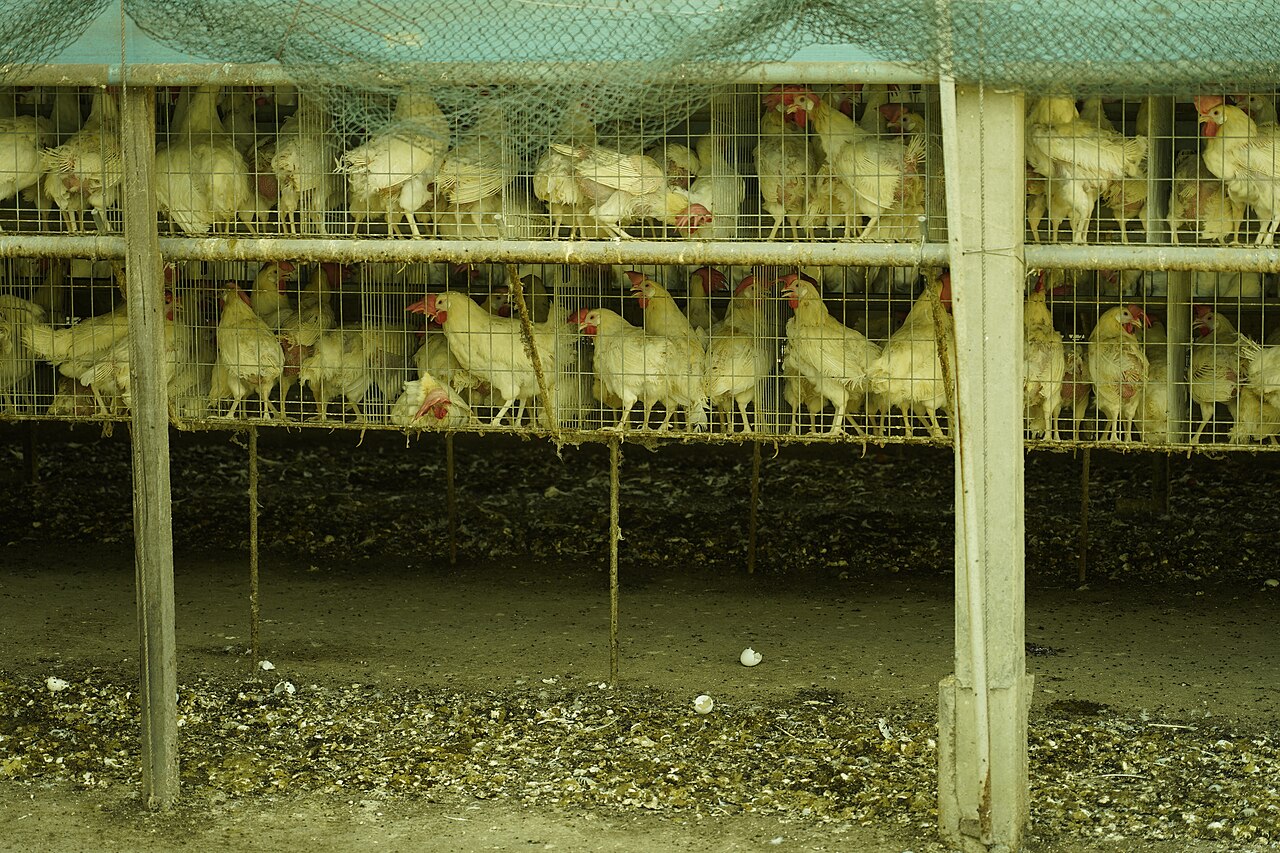
Britain's largest chicken producer has said 20 years of cheap food in the country is coming to an end, and food price inflation could go from single to double digits.
"The days of feeding a family of four for three pounds are coming to an end," said Ranjit Singh Boparan, owner of 2 Sisters Group.
The shortage of warehouse workers, lorry drivers and butchers comes as the world's fifth-largest economy is grappling with Brexit and the Covid-19 pandemic. Britain's economy is also under severe pressure from international trade.
Shipping and ports under strain
To avoid supply disruption, IKEA, the world's largest furniture brand, is now chartering ships itself, buying containers and moving goods on new routes.
Its chief executive, Jon Abrahamsson, said he expects the crisis to last into 2022. The biggest challenge is bringing goods from China, where a quarter of its products are made. Shortages are worst in its North American stores, followed by Europe.
In the United States, President Joe Biden on Wednesday called on the private sector to help prevent goods getting stuck, which threatens holiday deliveries in the country. Biden said the port of Los Angeles would work jointly with the port of Long Beach to unload 5 lakh containers in 24 hours. Walmart, Target and other big retailers also said they would work round the clock.
In Japan, wages and salaries have not risen in the past decade because of low growth, and consumers and businesses have been hit by higher prices of basic items such as coffee and beef bowls.
Economists and policymakers fear price rises may show up in the coming months.
Source: Bangla Tribune. First published in Bengali on The Agro News.

Comments
(0)