
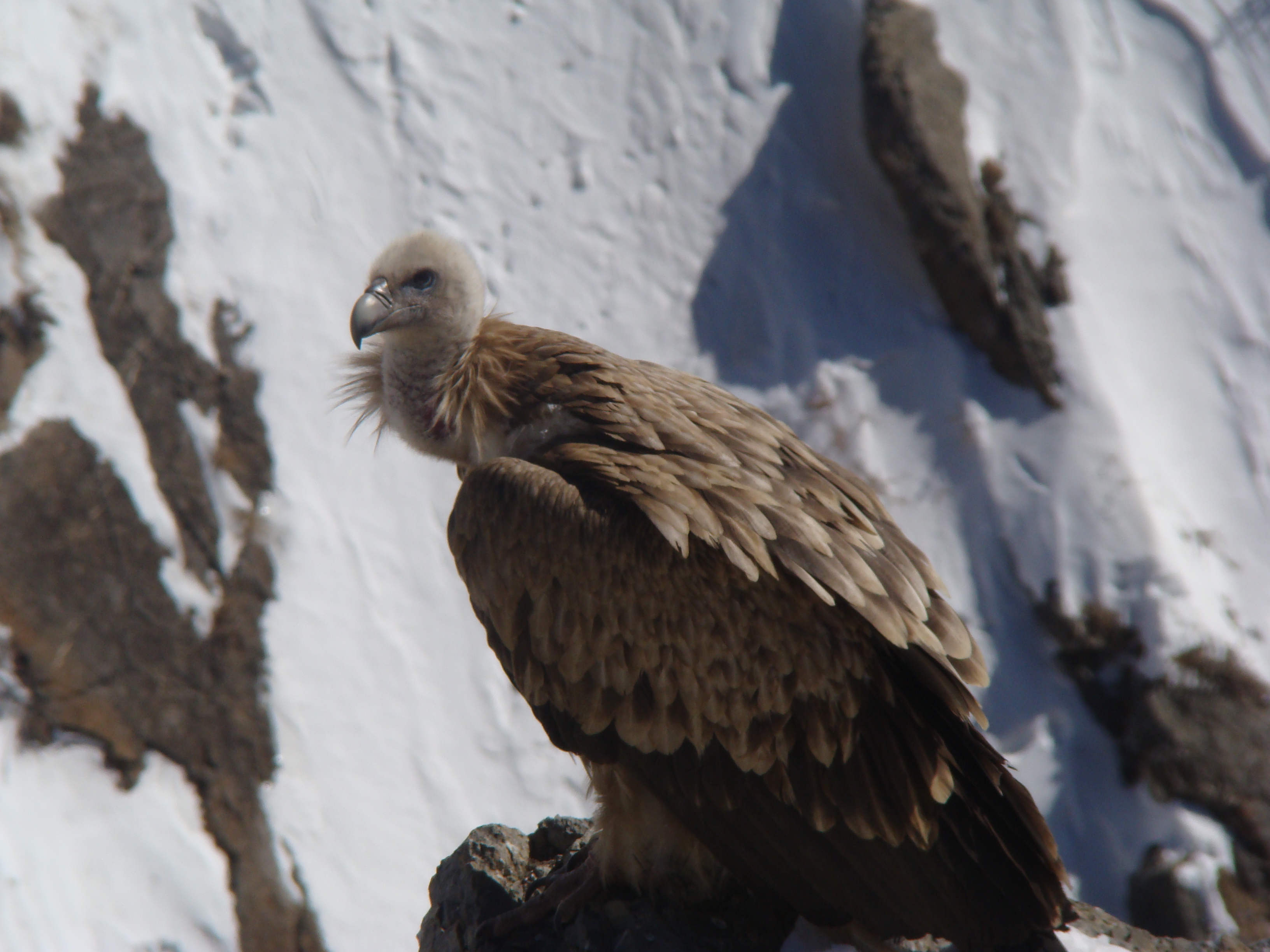
A sick Himalayan griffon vulture was rescued from the Kochhim Bazar area of Sundarganj upazila in Gaibandha on Monday 5 January 2026. Members of the Gaibandha Government College unit of the student environmental organisation Team for Energy and Environmental Research (TEER) rescued the bird with the help of the Gaibandha forest department, and that evening it was handed over to the Rangpur forest department. Jagonews24 and Prothom Alo reported the rescue the same day.
How the bird was found
According to TEER, as reported by Prothom Alo, local people found the vulture lying sick on the land of Amin Hossain, a resident of the Kochhim Bazar area, at about 9 am on Sunday, the day before. On hearing of it, a team from TEER's Gaibandha Government College unit went to the spot on Monday. With the help of local people they rescued the bird and took it first to the Gaibandha forest department, where it was given first aid.
Present at the rescue were the unit's former president Jisan Mahmud, publicity secretary Mezbahul Haque, executive member Nifaul Islam, members Kashfiha Khanam and Saimum Islam, and other members of the organisation. On the advice of IUCN official Sultan Ahmed and Shariful Islam, officer in charge at the Gaibandha forest department, the vulture was handed to the Rangpur forest department, from where it was to be sent to the vulture rescue and care centre at Singra National Park in Dinajpur for better care.
Singra National Park is a sal forest about 40 km north of Dinajpur town by road. The Forest Department declared 305.69 hectares of it a national park on 10 October 2010.

Why Himalayan griffons come down to the plains in winter
The Himalayan griffon (Gyps himalayensis) is the second-largest Old World vulture. It lives mainly in the Himalayas and on the Tibetan Plateau at 1,200 to 5,500 metres and is listed as Near Threatened on the IUCN Red List. Adults usually weigh between 6 and 12.5 kg, with a wingspan of 2.5 to 3.1 metres, and they feed on carrion.
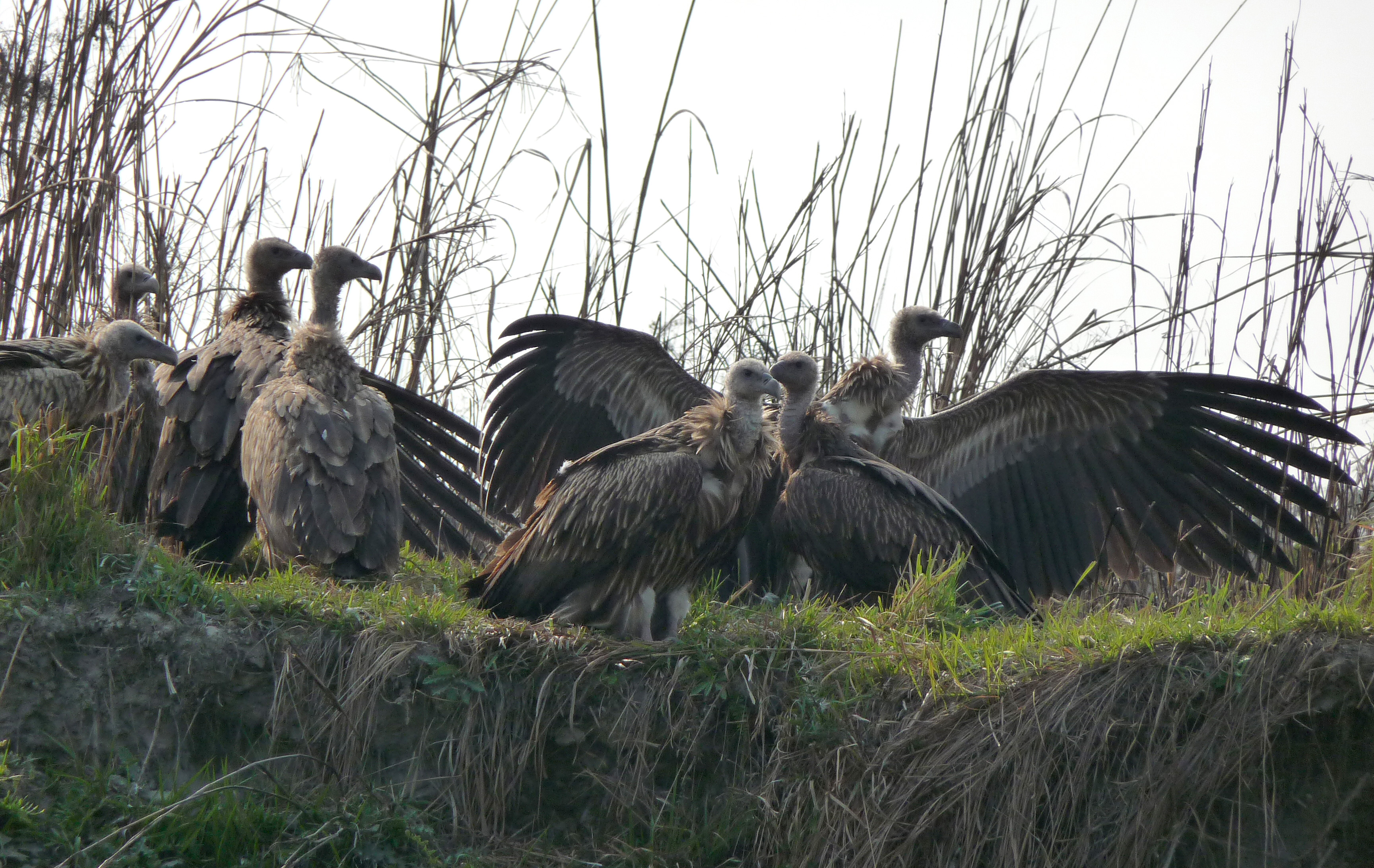
Sultan Ahmed, programme assistant at IUCN, said these vultures come down to the plains in November and December because they cannot bear the extreme cold and snowstorms of the Himalayas. Tired after the long journey, they are often unable to fly while resting, and local people mistake this for illness.
In December 2022, Sarowar Alam, lead researcher of IUCN's vulture conservation project, told Prothom Alo that about a hundred Himalayan griffons reach Bangladesh each year and around 40 of them fall sick. Each bird flies roughly 1,000 km and finds too little food on the plains. A griffon can weigh up to 13 kg, he said, but those found in Bangladesh weigh only four to five kg. They head back around March.
Fewer vultures at home, volunteers on the watch
Mosharraf Hossain, president of TEER's Gaibandha Government College unit, said Bangladesh once had seven vulture species, but the king vulture is now completely endangered and only around 260 Bengal vultures survive in the country. In this situation, he said, protecting the migratory Himalayan griffon is extremely urgent. TEER adviser Khalilur Rahman, a former principal of Gaibandha Government College, said these birds, known as nature's sweepers, keep the environment free of disease by eating the flesh of dead animals.
TEER has worked on the conservation of vultures and other wildlife since 2011. People involved with IUCN say that, thanks to awareness campaigns, villagers anywhere in the north now call TEER volunteers when they find a sick vulture, and the volunteers hand the birds to the forest department and the care centre after first aid. In the previous season, at the end of December 2024, the same TEER unit rescued two Himalayan griffons from Baniarjan in Gaibandha town and from Fulchhari upazila and handed them to the Rangpur forest department.
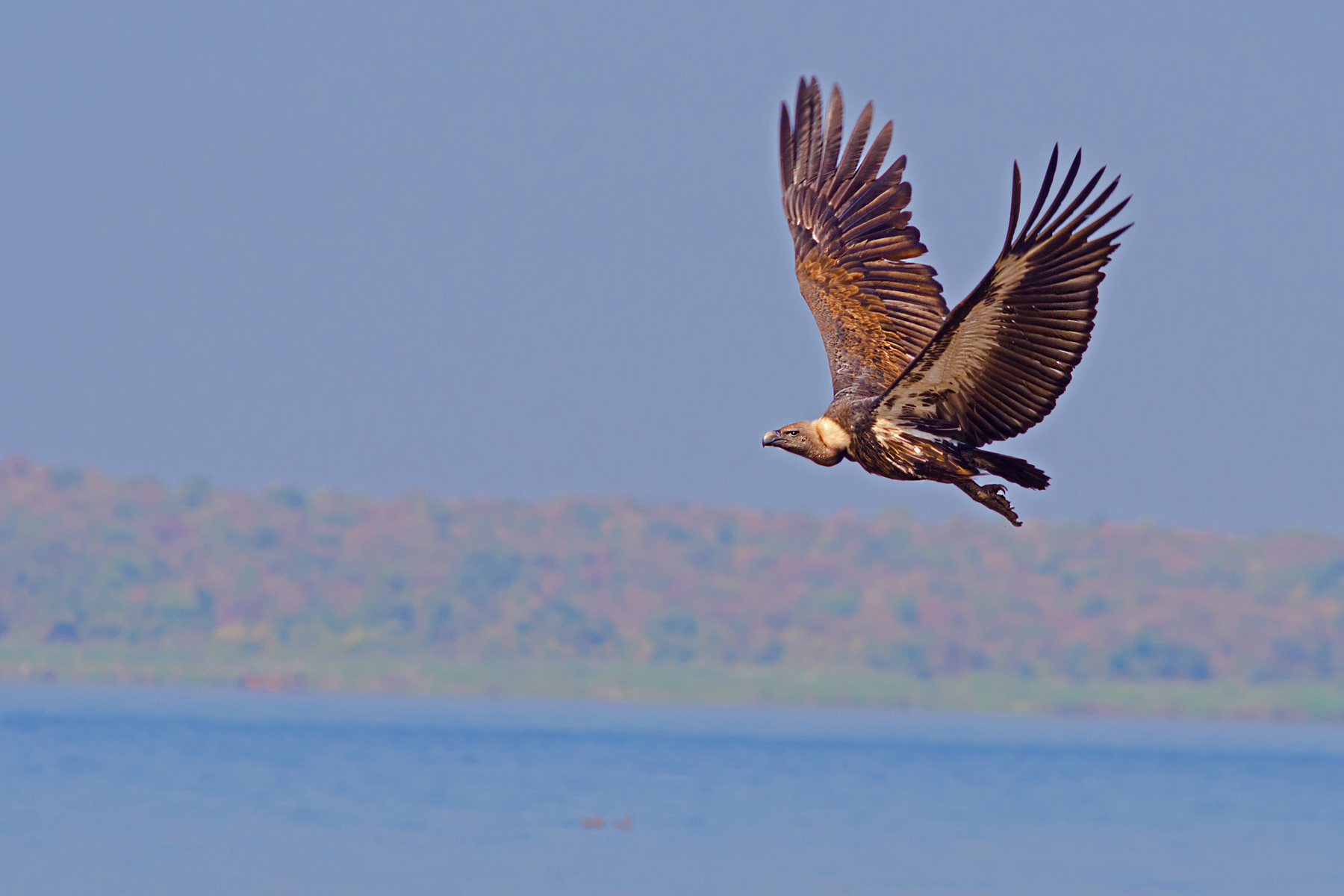
Photo: Ksuryawanshi / Wikimedia Commons (CC BY-SA 4.0)
Sources: Jagonews24, Prothom Alo (5 January 2026; 11 December 2022; 30 December 2024), Wikipedia (Himalayan vulture; Singra National Park)


Comments
(0)