
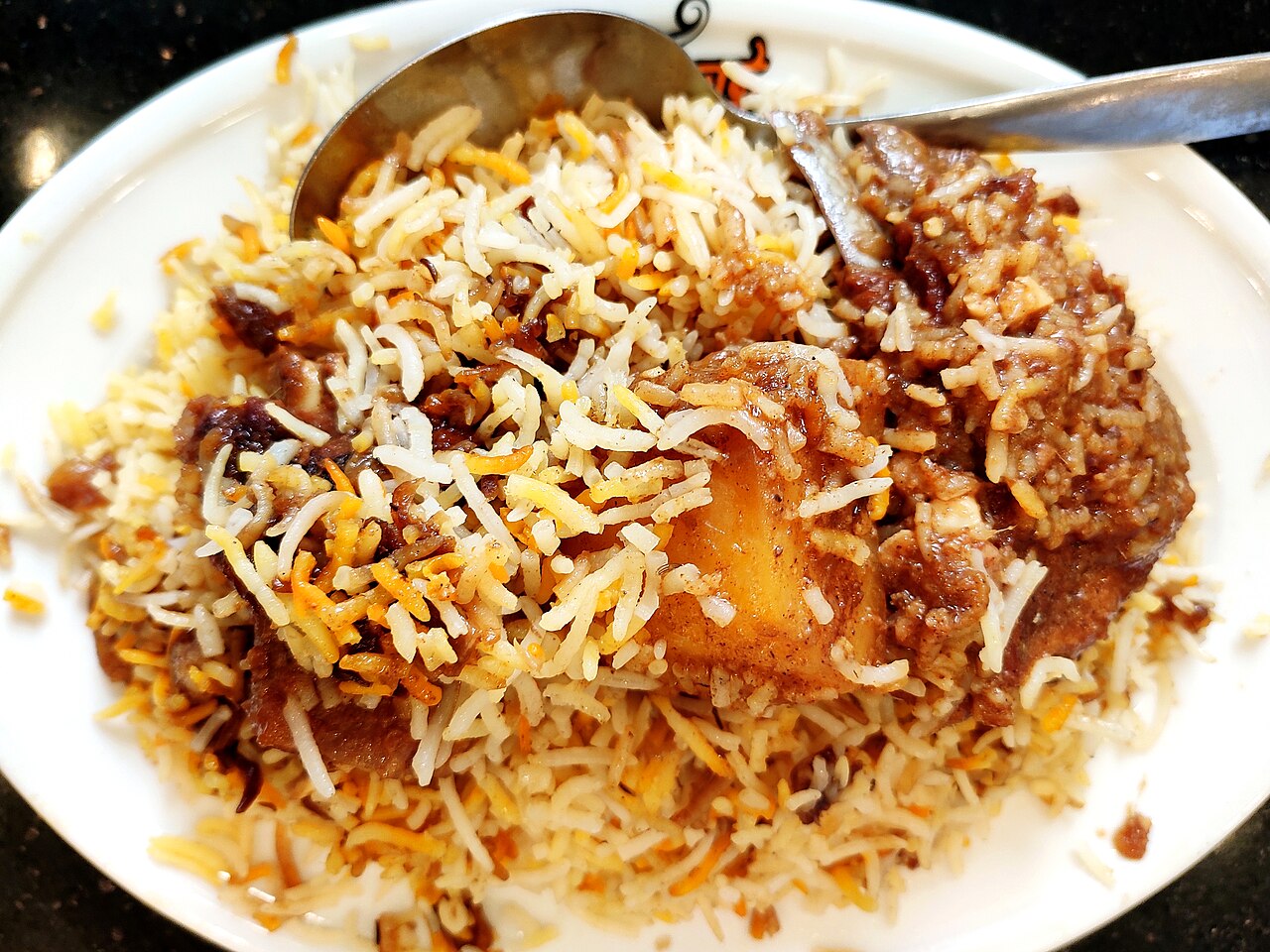
Food adulteration keeps spreading in Bangladesh despite jail terms and fines, and doctors are alarmed at the health risks. After recent media reports with pictures of biryani made with chemicals, unrefined salt, textile dye and burnt oil, Ittefaq asked specialists for their views.
Professor Dr ABM Abdullah, a leading physician, said such food raises the risk of non-communicable diseases including kidney and liver disease, diabetes, cancer and birth defects, with greater danger for pregnant women and unborn children. Bringing adulteration under control, in his view, would sharply reduce non-communicable disease.
Professor Dr Musarrat Sultana Sumi, vice-principal of Dhaka Medical College and head of its gynaecology department, said biryani is eaten by people of every class, and pregnant women who eat food mixed with chemicals, tannery salt and dyes risk babies born with defects and liver or kidney problems. Professor Dr Shafi Ahmed Moaz, former director of Dhaka Shishu Hospital, said such food is likely to harm children's digestive system, liver and kidneys, and affects the memory of many children.
An official of the Bangladesh Food Safety Authority told Ittefaq that drives against adulteration continue across the country, but some traders, out of ignorance and greed, mix in toxic substances, and fines and jail alone cannot stop it. Professor Mohammad Shoeb, a member of the authority, said it holds a list of more than one million food producers and sellers and runs regular drives against them, but public awareness and a social movement are also needed.
Ittefaq recalled that from 2005 it ran a two-year series on adulteration, 'What are we eating', during which mobile courts operated regularly. Those concerned say regular drives of that kind are needed again now.
This report is based on reporting by Ittefaq.
Photo: ANKAN / Wikimedia Commons (CC BY-SA 4.0)
Source: Ittefaq


Comments
(0)