
Islamic teaching describes certain deeds through which, according to the hadith, a believer may earn a reward like that of Hajj. Among them are the Ishraq prayer, serving one's parents, going to the mosque for obligatory prayers, seeking religious knowledge and reciting the tasbih after prayers.
The Ishraq prayer: praying Fajr in congregation, remaining in remembrance of Allah until sunrise and then praying two rak'ahs of Ishraq after the sun has fully risen carries special merit (Sunan al-Tirmidhi, hadith 586). Serving parents: caring for one's parents, especially one's mother, is described as a way to Allah's pleasure and special reward (Shu'ab al-Iman, hadith 7893).
Prayer at the mosque: setting out in a state of purity to the mosque for an obligatory prayer also carries special merit (Sunan Abu Dawud, hadith 558). Religious knowledge: going to the mosque to learn or to teach what is good is described as an honoured deed (Al-Mu'jam al-Kabir, hadith 7473).
The tasbih after prayer: reciting Subhanallah 33 times, Alhamdulillah 33 times and Allahu Akbar 33 or 34 times after each obligatory prayer is described in a hadith in Sahih al-Bukhari.
Under Islamic law, Hajj is obligatory once in a lifetime for every Muslim who is financially and physically able. These voluntary acts may carry a reward like that of Hajj, but they are never a substitute for the obligatory pilgrimage. Agricare24 published the piece from Deshkal News.
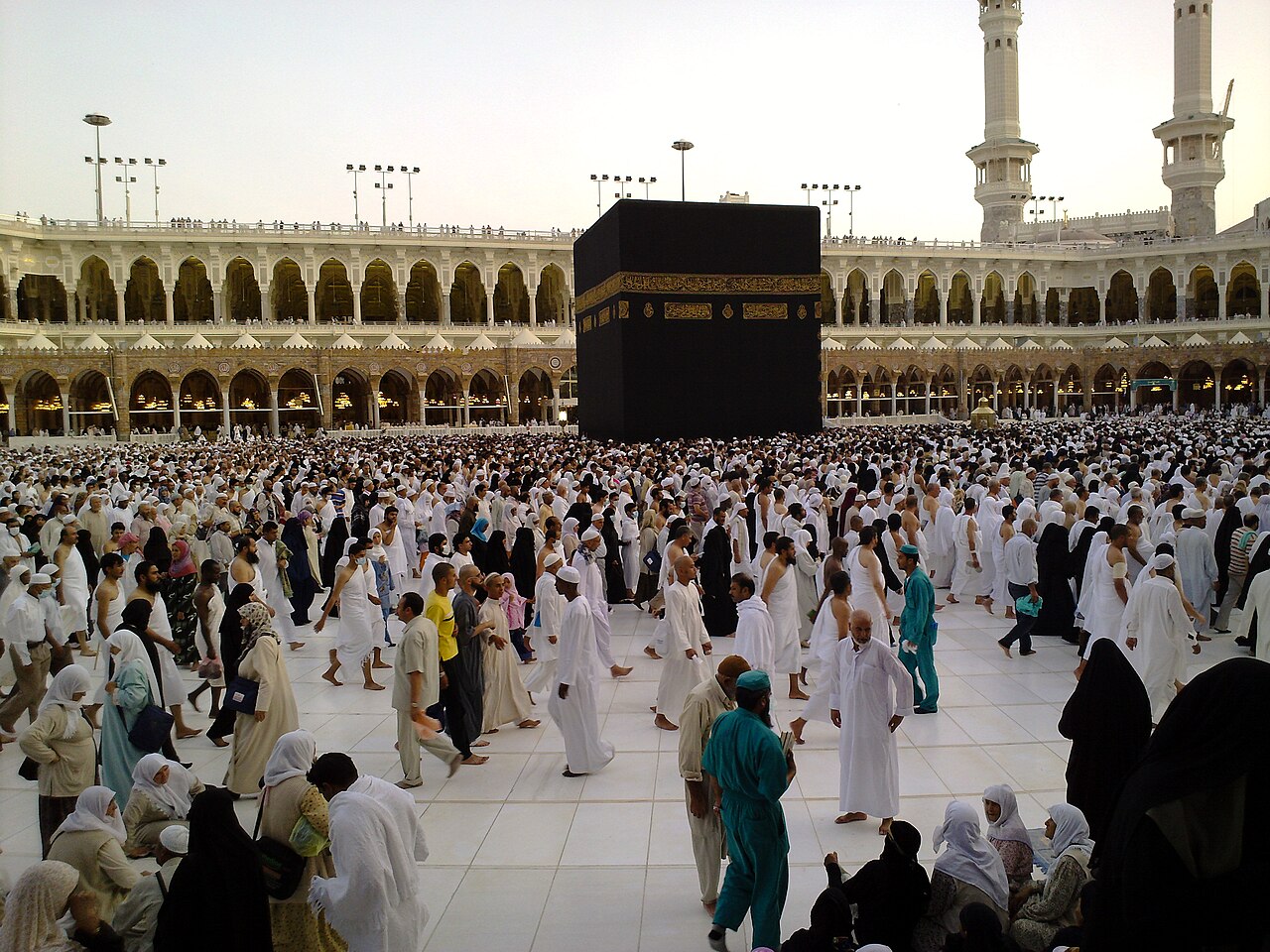
Photo: The Kaaba courtyard at Masjid al-Haram, omar_chatriwala / Wikimedia Commons (CC BY 2.0)
Source: Agricare24

Comments
(0)