
Fish lice disease, caused by an external parasite called Argulus, is a familiar problem in pond-raised fish. This guide to its signs, prevention and treatment, based on information from the fisheries section of Bangladesh's Agriculture Information Service, was published in April 2025. It has been checked and updated against the Food and Agriculture Organization of the United Nations (FAO), the University of Florida and research in Bangladesh.
What Argulus is and how it harms fish
Argulus is a crustacean, a relative of crabs and shrimp. Wikipedia records 138 accepted species in the genus as of December 2022. According to a University of Florida fact sheet, the louse has a flattened, oval body under a wide shell and two compound eyes. A thin, needle-like stylet in front of its mouth tube pierces the fish so the parasite can take in body fluids, and two large suckers beside the mouth hold it in place. Adult Argulus foliaceus measure roughly 3 to 7 mm long, so they can be seen with the naked eye.
The life cycle takes 30 to 60 days, depending on the species and the water temperature. Females leave the fish to lay eggs on hard surfaces and water plants, then return to a host. Argulus japonicus eggs hatch in 10 days at 35°C but take 61 days at 15°C. In many species the newly hatched larvae must find a fish within 2 to 3 days or die, while adults can survive several days off a host.
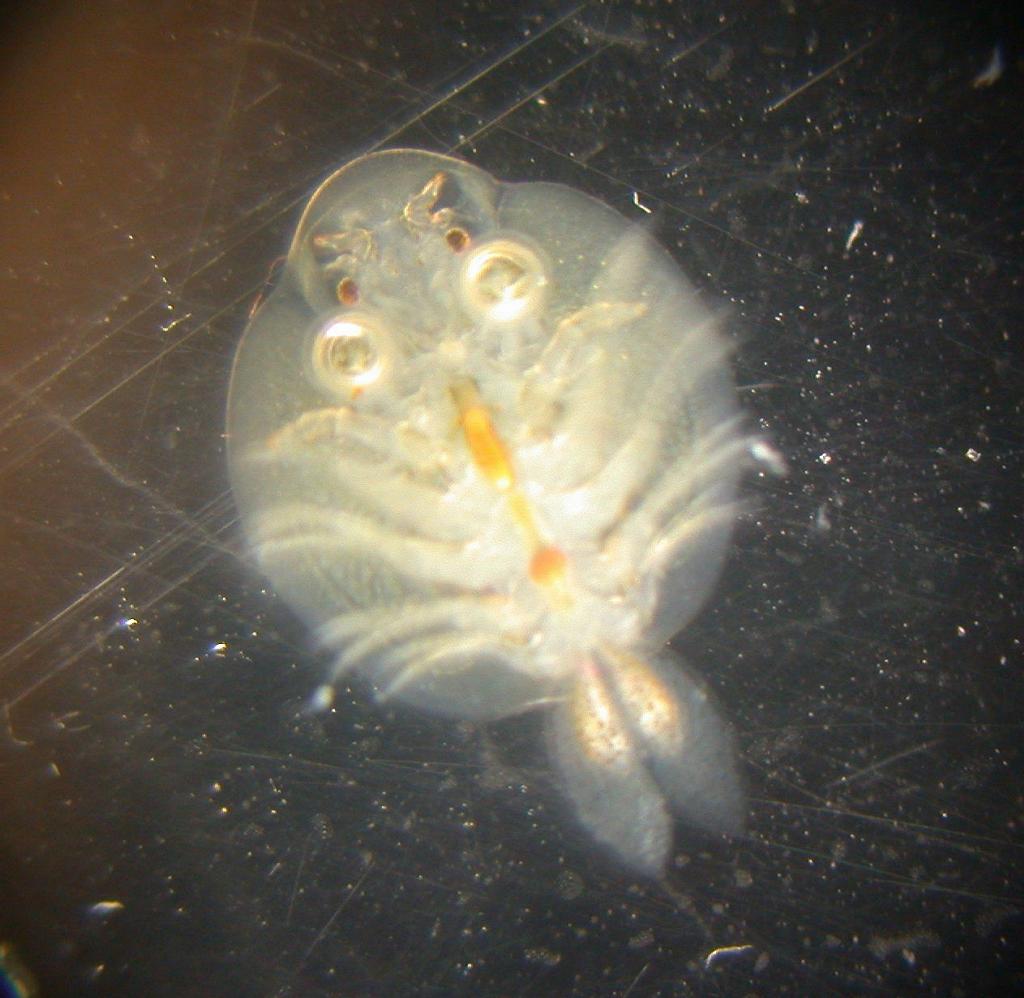
Signs of infestation
The lice attach to the skin, fins, gill chamber and mouth, and the contact site becomes inflamed. Common signs in affected fish are:
- round, flat lice on the body or fins, visible to the naked eye
- pinpoint bleeding in the skin and reddening around the affected spot
- loss of scales and fin tissue, and excess slimy mucus
- rubbing against the pond bottom or hard objects, and restless or erratic swimming
- reduced feeding, lethargy, hanging near the surface, anaemia and poor body condition
Wounds can later be invaded by Aeromonas bacteria and the water mould Saprolegnia. Argulus can also carry spring viraemia of carp, a viral disease.
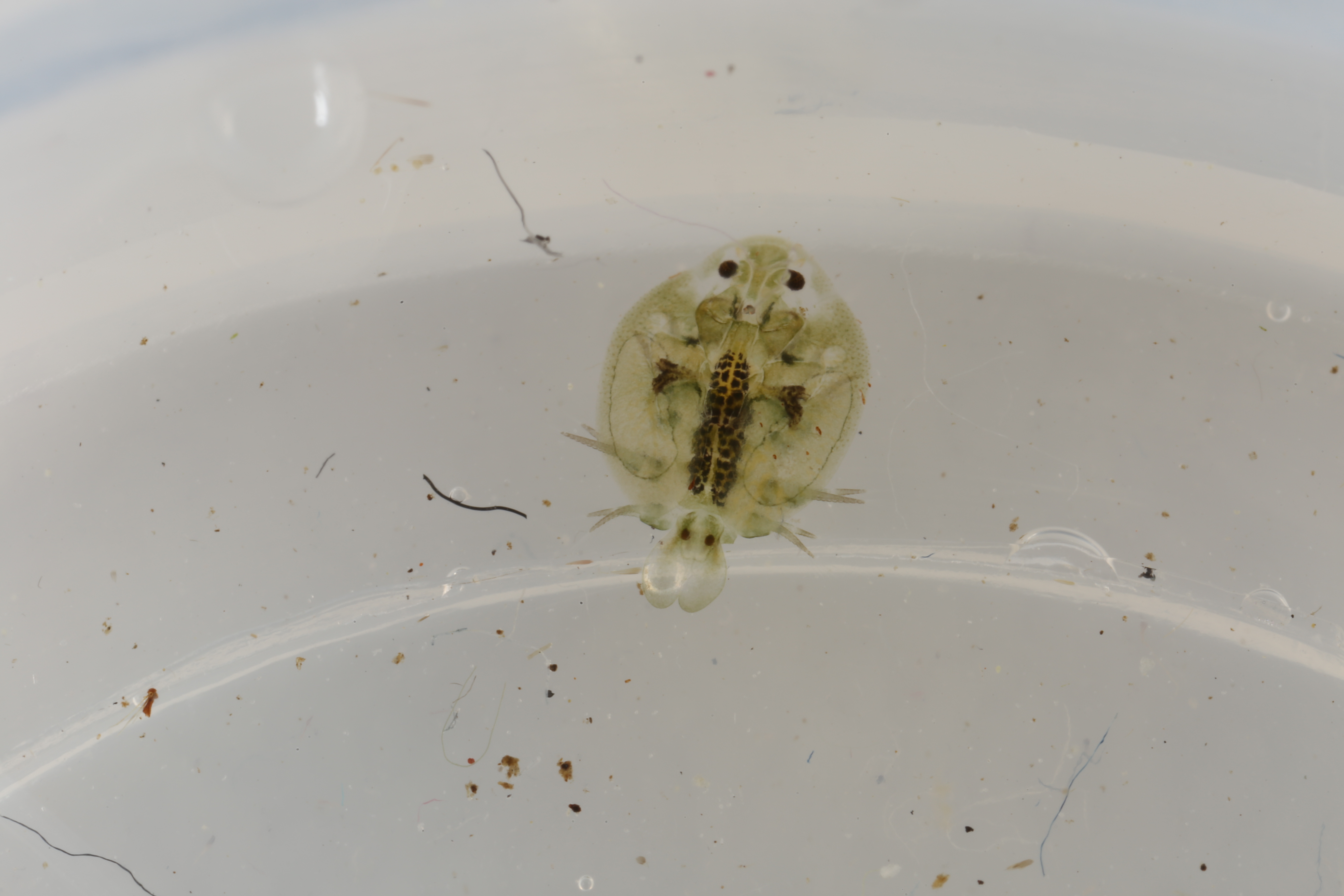
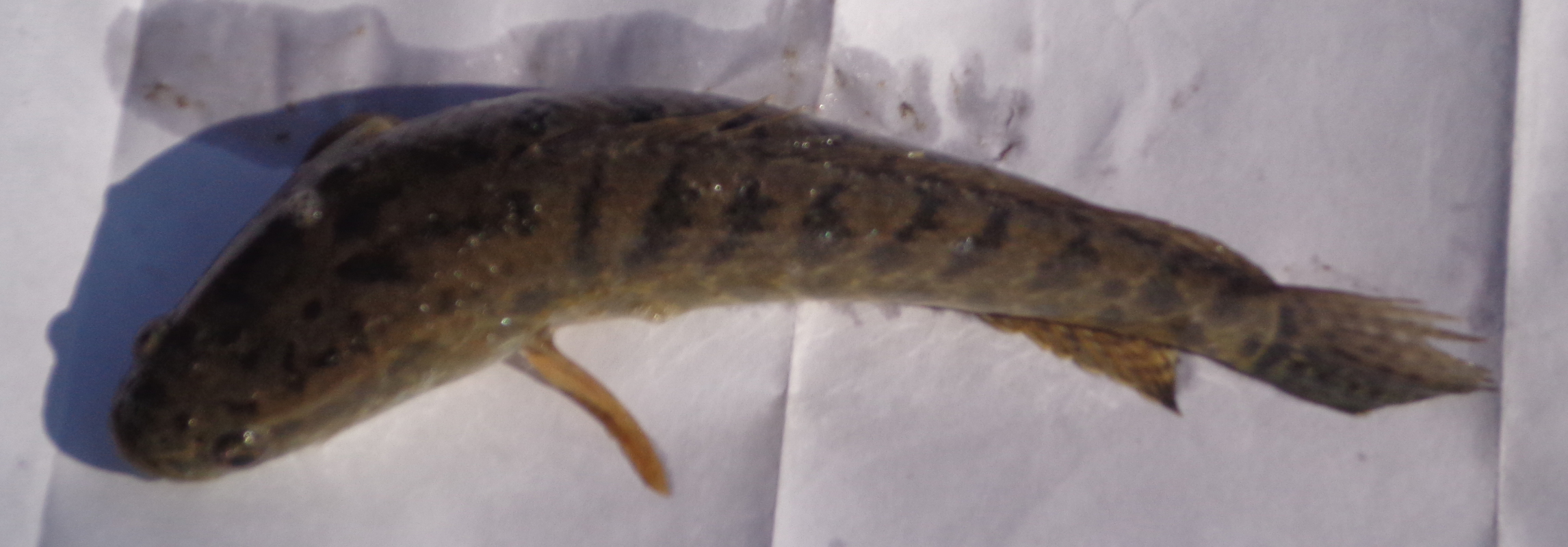
Argulus in Bangladesh's rohu and snakehead
FAO's fact sheet on farming rohu says that at higher stocking densities Argulus is a bigger problem for rohu than for other carps, reducing growth and sometimes killing fish. In mixed carp ponds rohu is more susceptible than catla and mrigal. Argulus in rohu in Bangladesh was recorded in a 2002 study.
A study published in Veterinary Medicine and Science in February 2025 found Argulus japonicus on 85 of 140 spotted snakehead (taki) bought from four fish markets in Khulna between June and December 2023, a prevalence of 60.7 per cent. Infestation peaked in December at 75 per cent, and most lice were on the gills, around the eyes and on the outer body.
Prevention and treatment
Because lice are hard to clear once they spread, prevention works best. The University of Florida and FAO advise:
- quarantine and watch new fish, especially wild-caught or pond-raised stock, before adding them to a pond
- make sure inflowing water does not bring in louse eggs, filtering it where possible
- net and inspect fish regularly, and act quickly once lice appear
- separate affected fish; picking lice off the fish alone is not enough, because eggs and young stay in the pond
- drain and dry ponds with severe infestations (FAO)
- FAO's fact sheet lists a short dip of affected fish in 5 ppm potassium permanganate
The University of Florida notes that trichlorfon (sold as Dylox), an organophosphate pesticide, was once an effective treatment, but that product is no longer made in the United States, where potassium permanganate is the only one of the listed treatments legal for fish meant for eating. Farmers should consult a fish health specialist or their upazila fisheries officer before choosing any drug or pesticide and its dose.
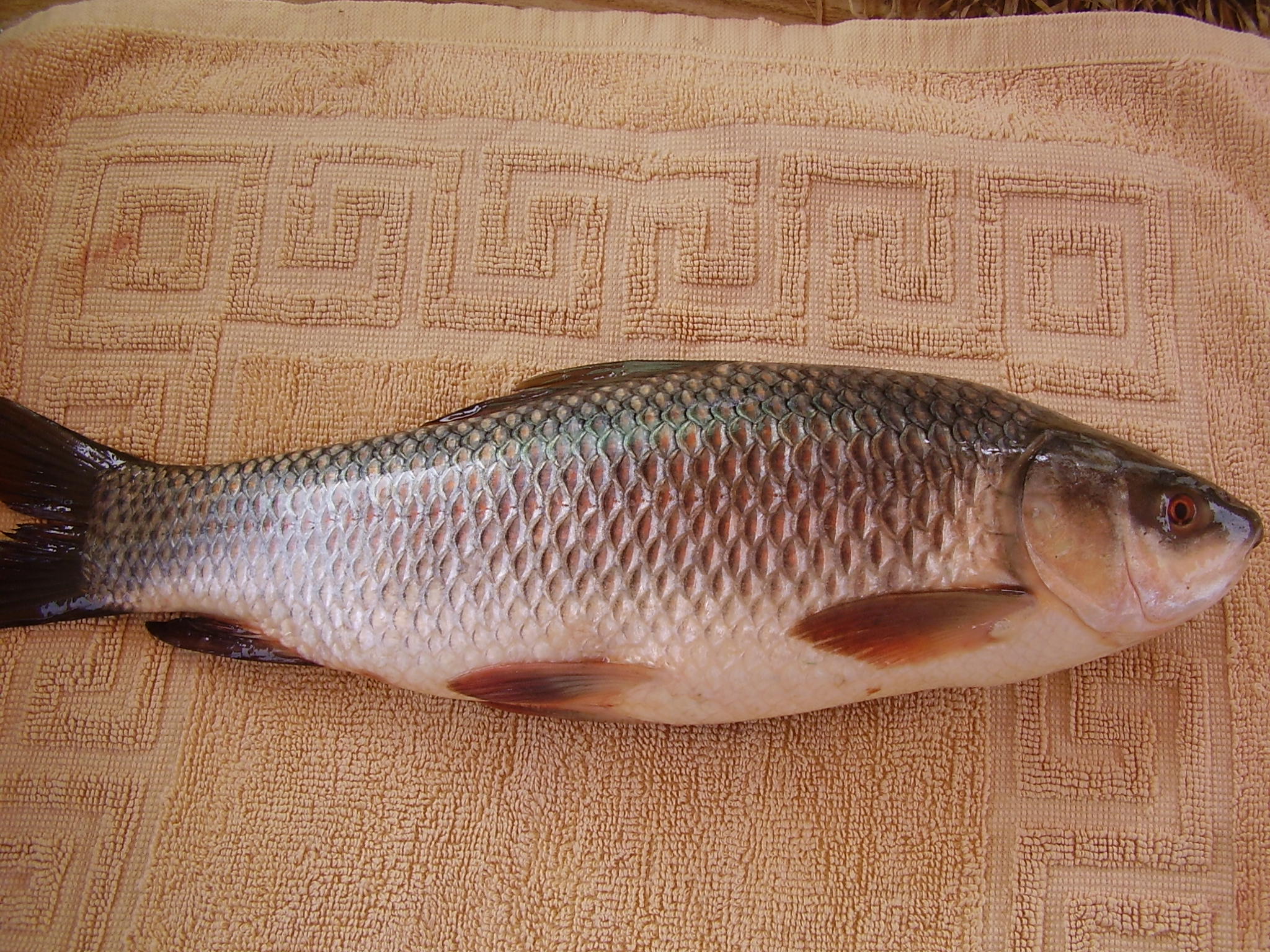
Photo: Donald Hobern / Wikimedia Commons (CC BY 2.0)
Sources: Agriculture Information Service (fisheries section), Food and Agriculture Organization of the United Nations (FAO, rohu culture fact sheet), University of Florida IFAS Extension (FA184), Veterinary Medicine and Science (Jahan et al., 2025; Ahammad et al., 2024), Wikipedia
Comments
(0)