
British farming is much better at rescuing people than at stopping them from needing rescue, Amy Hughes argues in a signed opinion column for Farmers Weekly. The views are the writer's own.
Hughes, a Yorkshire farmer's daughter whose business EmpowerAg helps farmers and rural professionals through change, conflict and communication problems, points to what the industry funds and applauds: subsidies that prop up businesses that are not profitable, crisis mental-health support for farmers who have reached breaking point, and arbitration once a landlord or buyer relationship has broken down. All of it, she writes, "arrives after the damage is done".
On mental health, she credits crisis support with saving lives but says investment in stopping farmers reaching that point, through earlier conversations about workload and identity, is thin by comparison, and fewer people still choose to engage with it.
On money, she accepts that a fair share of the problem starts beyond the farm gate, "in supermarkets built on cheap food and shoppers trained to expect it". But funding treats a symptom, she argues, when alongside an unfair market there is often a plan never written, a succession conversation nobody wanted to start, or change resisted because "that won't work here". Arbitration, likewise, follows breakdowns that began months earlier in conversations that never happened or went badly.
She calls it a carrot-and-stick problem: farming organisations fight hard against a tax change or scheme closure once it lands, but invest far less in what is within farming's own control. Crisis response is easier to fund, she notes, because "you can point at who got saved", while prevention rarely makes a headline.
Her question to anyone with a budget, a platform or a vote at an AGM is what it would look like to spend even a fraction of what goes on rescue, in time and choices as well as cash, on the skills and conversations that mean fewer people need rescuing at all.
Amy Hughes runs EmpowerAg and hosts the Out Of The Rut podcast.
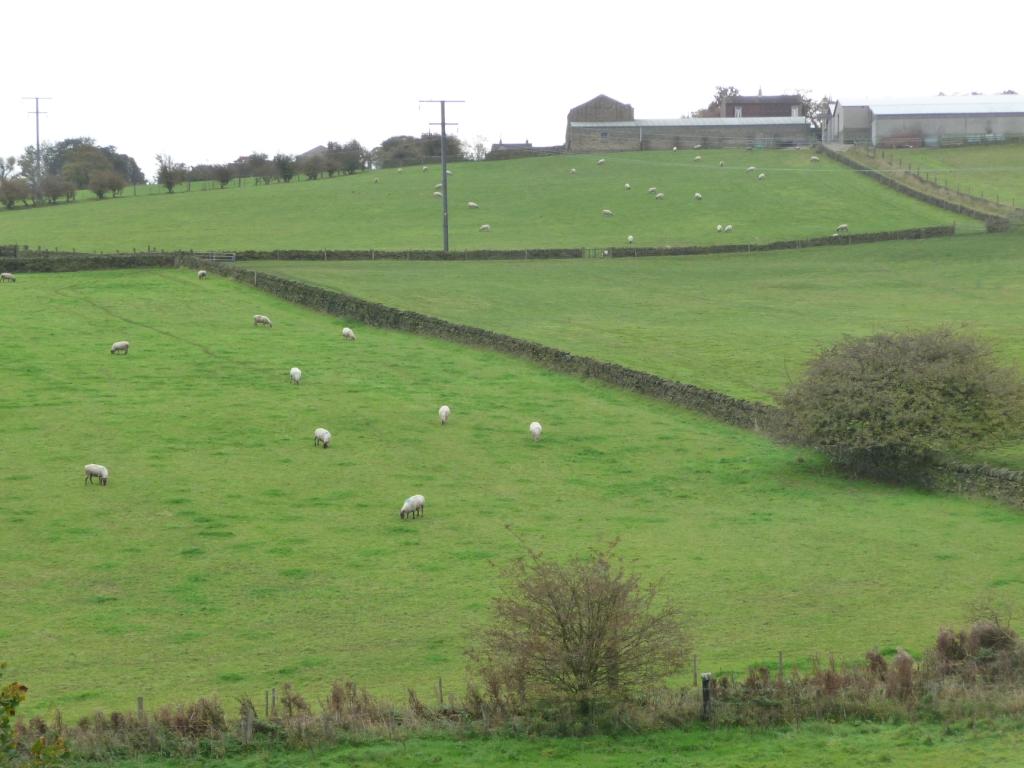
Photo: Christine Johnstone / Wikimedia Commons (CC BY-SA 2.0)
Source: Farmers Weekly


Comments
(0)