
Farmer-herder conflict in the Sahel is not only costing lives; it is changing the way rural households make a living, according to a synthesis of recent CGIAR studies led by researchers at the International Food Policy Research Institute (IFPRI). The evidence, most of it from Nigeria, shows that recurring, low-level violence alters what farmers plant, where they work, how they invest and what they hope for, long after individual attacks have ended.
In rural southwestern Nigeria, an area not usually thought of as a conflict hotspot, the researchers found that in 2023-24 a woman farmer had a 40% chance of living in a household that suffered crop damage from farmer-herder violence, roughly a one-in-three chance that assets or irrigation equipment were stolen or destroyed, and a one-in-eight chance that someone in her household was physically assaulted.
The authors, Katrina Kosec, Lucia Carrillo, Jordan Kyle and Jeffrey Bloem, argue that adaptation does not always build resilience. Coping strategies adopted under threat can reduce productivity and trap families in long-term vulnerability. Women experience the conflict differently from men, and policies need to account for how exposure to violence shapes their opportunities, decisions and aspirations.
Competition over land and water is intensifying as populations grow, cropland expands, grazing routes contract and rainfall becomes more variable. Relations between farmers and herders were historically cooperative, with mutually beneficial exchange common in many communities, but the traditional institutions that managed disputes are increasingly under strain.
Nigeria stands out among Sahel countries for consistently higher fatalities from farmer-herder conflict. Roughly 70% of Nigerians depend on agriculture for their livelihoods, and the violence now disrupts not only individual households' production but also labour markets, food systems and agricultural input markets. FAO data cited in the study show the share of Nigeria's population facing severe food insecurity rose from around 11% in 2014-16 to more than 26% in 2023-25.
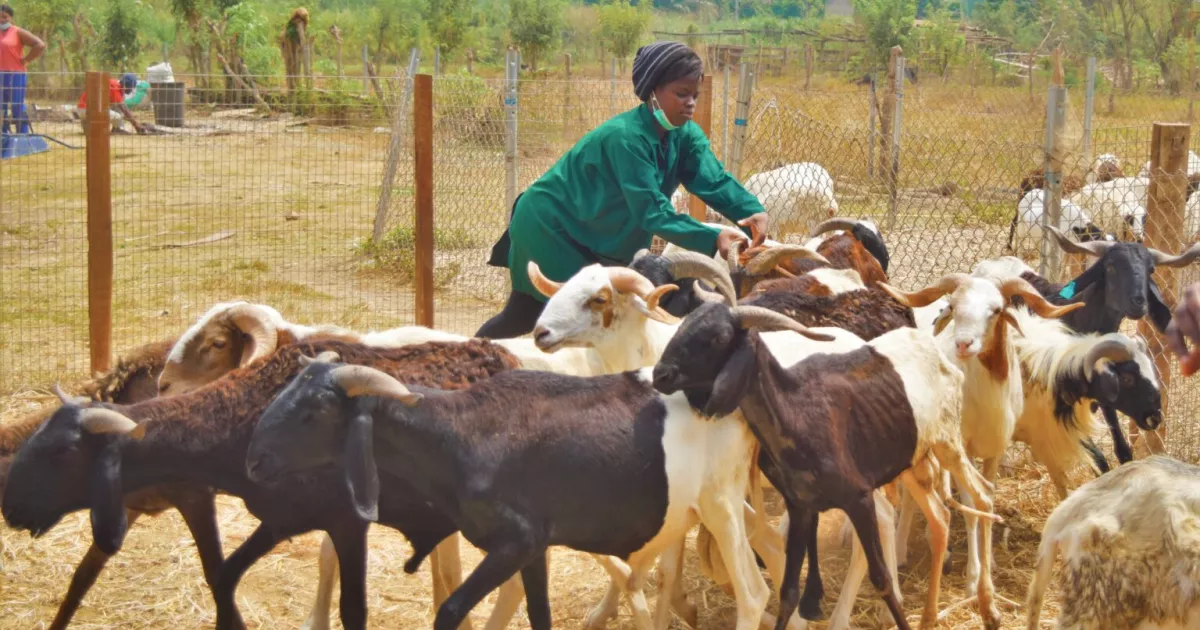
The researchers note that pastoral communities are enduring their own under-documented losses, including displacement from traditional migration corridors, livestock theft and the erosion of legal grazing rights. With 2026 designated by the United Nations as the International Year of Rangelands and Pastoralists, they say the evidence base on herding households needs to grow to match what is known about farmers.
For agricultural planners the message is that insecurity in farming areas is now part of the food-security picture, and that understanding how violence changes farmers' decisions helps explain why the consequences extend well beyond the households directly attacked.
Source: CGIAR

Comments
(0)