
The Food and Agriculture Organization of the United Nations (FAO) marked the first International Day of the Mediterranean Diet at its headquarters in Rome on 25 November, presenting the diet as a living system that runs from farmers and local markets to family recipes and shared meals.
The day was established by the UN General Assembly in December 2025, following a resolution of the FAO Conference, and recognises the Mediterranean diet as a system linking food production and consumption with health, natural resources, livelihoods, culture and traditions. FAO was invited to facilitate its implementation.
"What we eat shapes our health. But it also influences what farmers produce, how land and water are used, which foods reach our markets, the livelihoods we support and, ultimately, the agrifood systems we create," FAO Director-General QU Dongyu said.
The event, organised by Italy's Permanent Representation to FAO and the Future Food Institute under the theme "A living system for a shared food future", brought together governments, scientists, farm organisations and cooks. Italy's Deputy Minister of Foreign Affairs Edmondo Cirielli and Undersecretary for Agriculture Luigi D'Eramo took part, with Stefano Pisani, Mayor of Pollica, and Antonia Trichopoulou, Professor Emeritus at the University of Athens School of Medicine.
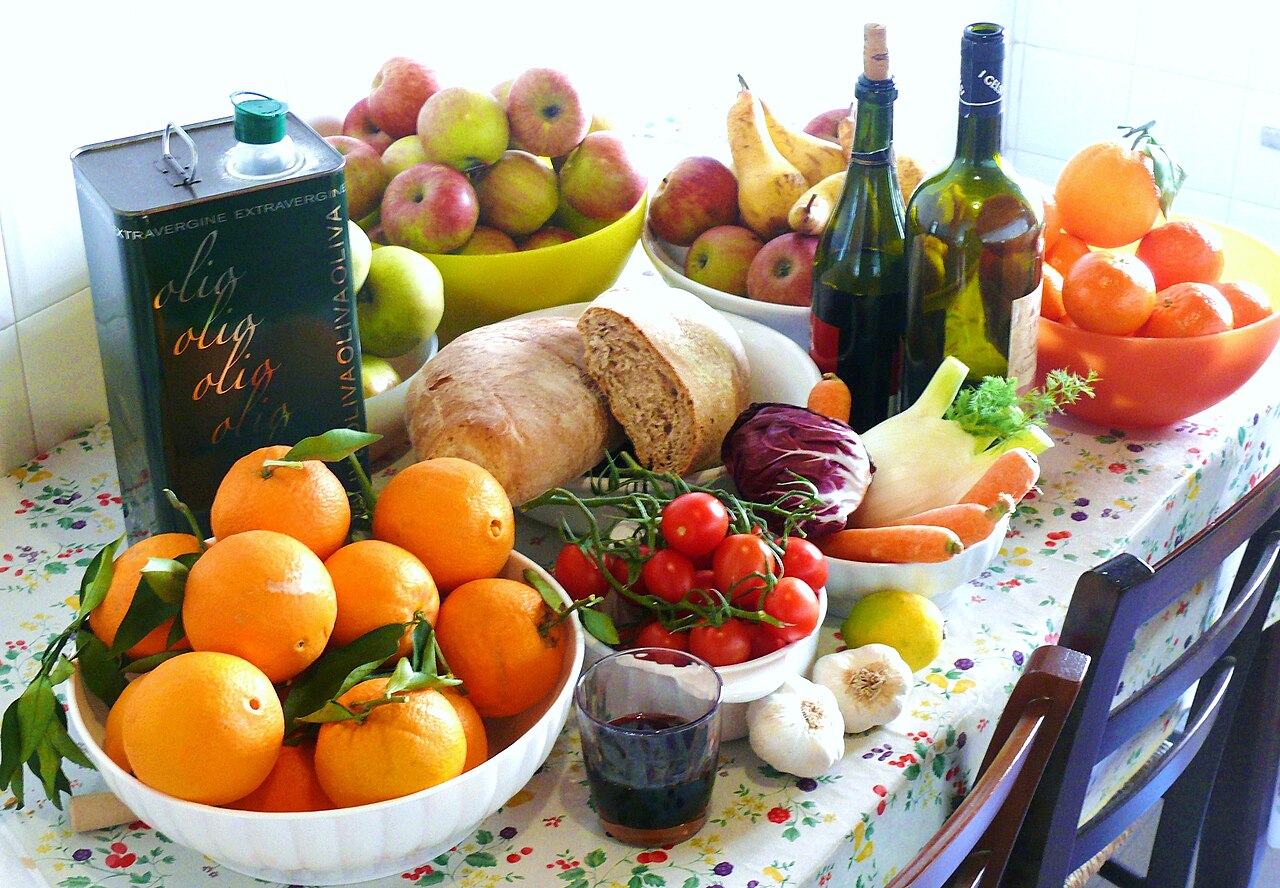
Mediterranean eating varies from country to country but commonly includes whole grains, vegetables, pulses, nuts, seeds and seasonal fruit, with olive oil as the main fat and moderate amounts of fish, seafood, poultry, eggs and dairy. UNESCO lists the diet, with its shared meals and skills passed between generations, as Intangible Cultural Heritage of Humanity. FAO said scientific evidence has consistently linked following the traditional pattern with better health, particularly a lower risk of cardiovascular disease.
Qu warned that diets are changing fast with urbanisation, globalisation, changing incomes and lifestyles, and that traditional food knowledge is weakening, particularly among the young. "Our objective should not be to make the world's diets identical. It should be to ensure that every person, everywhere, can access a healthy diet that is nutritious, affordable, culturally appropriate and sustainable," he said.
At the FAO Food and Agriculture Museum & Network's FoodS Lab, grandmothers, chefs and producers from Pollica, a town in the Cilento area of southern Italy that is home to the Living Museum of the Mediterranean Diet, shared recipes and local products, among them the Fico Bianco del Cilento, a traditional white fig. Pollica held three days of events earlier in November, and a separate observance took place at UN Headquarters in New York.
Photo: G.steph.rocket / Wikimedia Commons (CC BY-SA 4.0)
Source: FAONewsRoom
Comments
(0)