
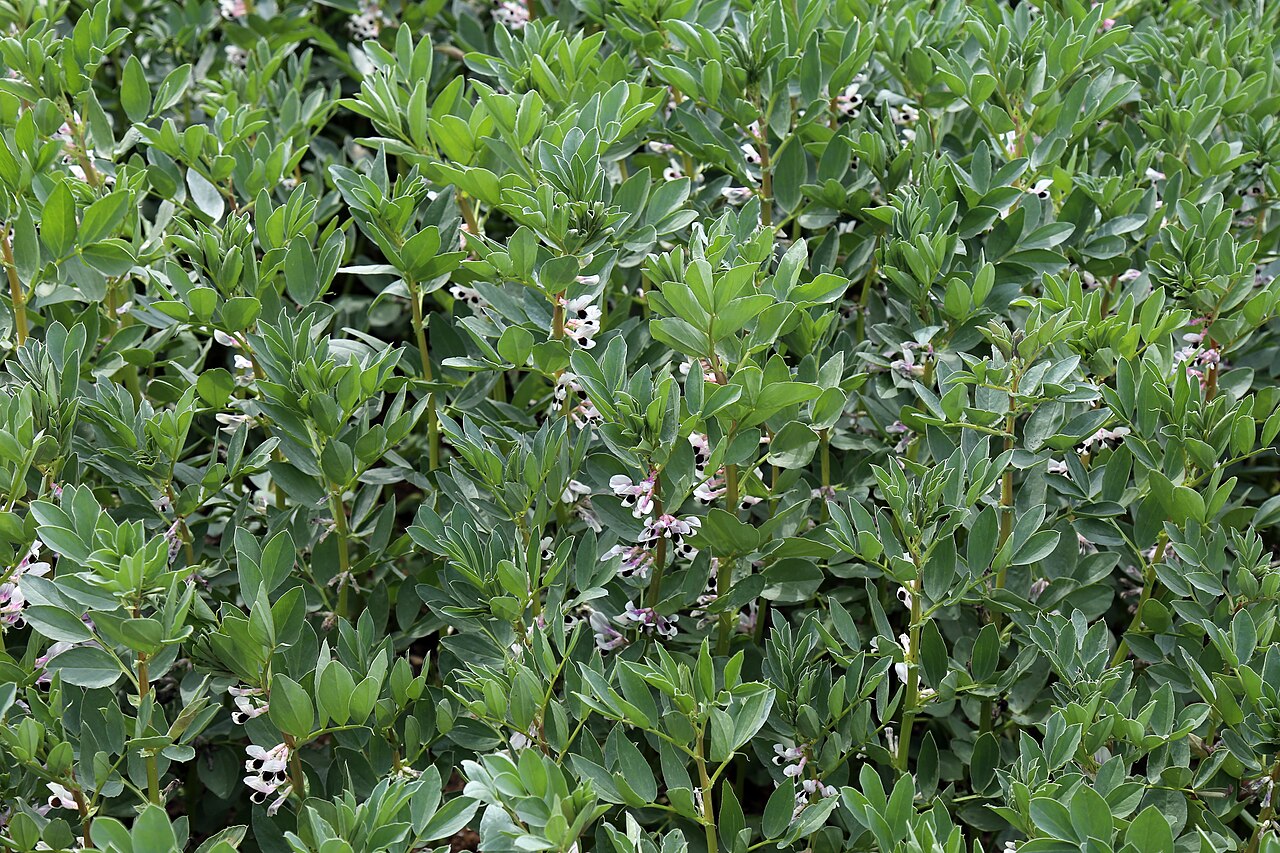
The European Commission plans to raise the share of livestock feed protein that comes from oilseeds and protein crops grown inside the EU from 25.8% in 2025 to 35% by 2035, as part of a strategy to make livestock production more sustainable, according to an assessment by analysts at the UK's Agricultural and Horticultural Development Board (AHDB) reported by Agriland.
EU livestock use about 74 million tonnes of protein feed a year. Around 26% of it is imported, as are 74% of high-protein oilseeds and protein crops, and dependence is highest for soya, with 94% of soya protein imported.
The Commission's principles include incentives under the Common Agricultural Policy for growing pulses and soya, infrastructure funding and contracts to strengthen the protein value chain, closer grassland and livestock integration, demand measures such as origin labelling, marketing and public procurement, and research and market monitoring. The plan does not seek full self-sufficiency: the EU will keep importing while diversifying its sources, and Ukraine's accession could raise plant protein self-sufficiency from 76% to 86%.
AHDB said the plan could open more room for EU arable growers to produce pulses and oilseeds, though the Commission recognises that high-protein crops generally yield less than the crops they replace. Legumes such as peas and beans bring wider benefits through nitrogen fixation, better soil fertility and lower fertiliser needs.
In Ireland, which runs a Protein Aid Scheme, annual output of field beans and peas is 77,600 tonnes according to the Central Statistics Office, and the official target is 130,000 tonnes from 20,000 hectares by 2030 to cut reliance on imported feed.
Photo: Acabashi / Wikimedia Commons (CC BY-SA 4.0)
Source: Agriland

Comments
(0)