
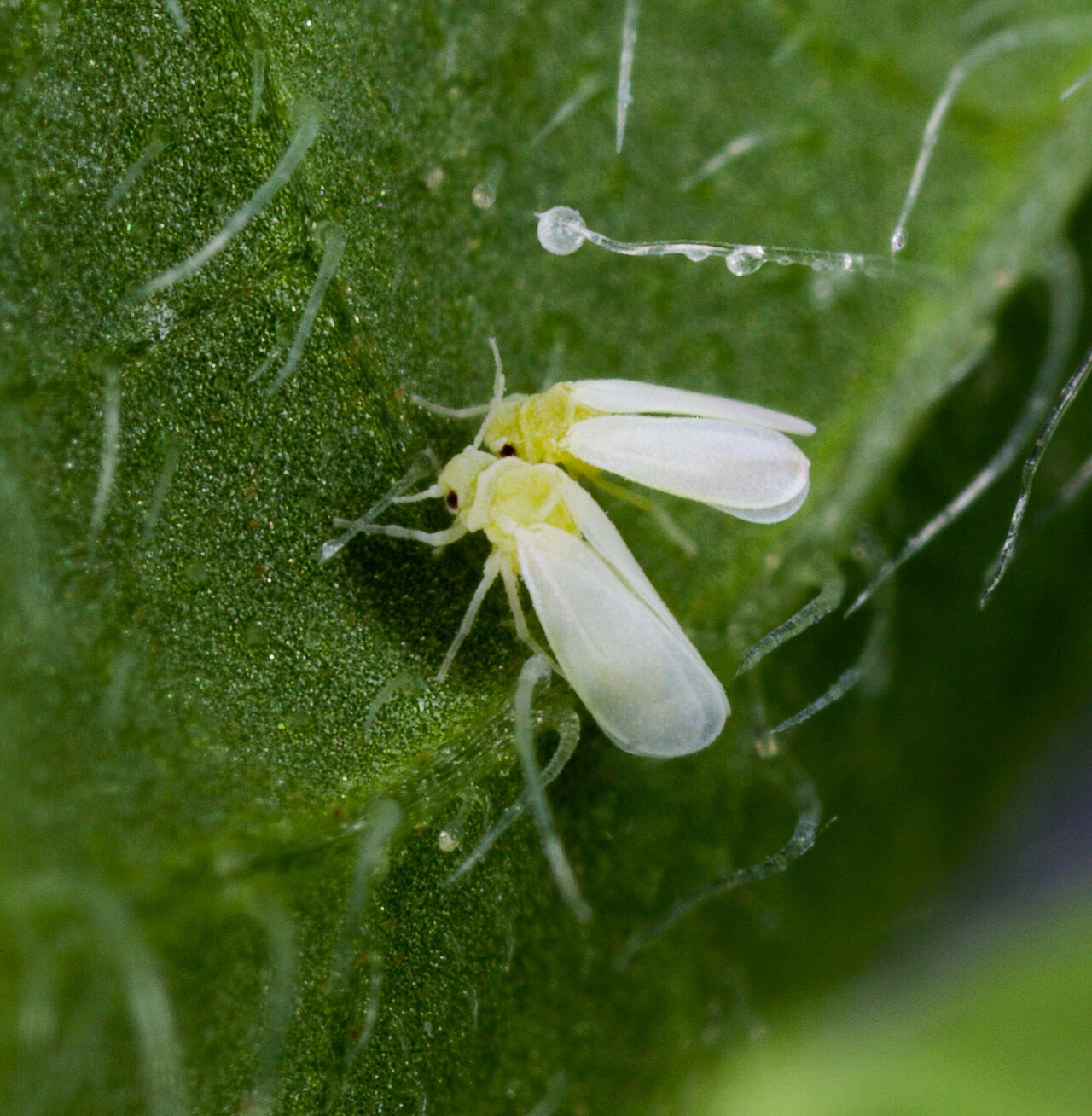
Soybean growers in Matopiba, Brazil's northern agricultural frontier, face a higher risk of severe whitefly (Bemisia tabaci) infestations in the 2026/27 season because of the hot, dry conditions linked to El Nino, AgroPages reports.
Germison Tomquelski, a researcher at the consultancy Desafios Agro, said unmanaged outbreaks can cut yields by 10 to 70 percent, equivalent to 5 to 30 bags of soybeans a hectare. In earlier El Nino seasons such as 2022/23, severe infestations led to regional shortages of specific whitefly insecticides, so experts and suppliers are urging early pest management.
Whitefly is among the three most economically damaging pests in Brazilian farming. Besides sucking sap, which drains nutrients and causes early leaf drop, it excretes honeydew on which sooty mould grows, blocking sunlight and photosynthesis, and in susceptible varieties it spreads viruses that stunt plants and reduce grain weight.
"Insecticides should be applied at the onset of nymph infestation, when two to three nymphs per leaflet are observed, prior to canopy closure," Tomquelski said, warning that waiting to combine whitefly control with routine fungicide sprays fails to break the pest's cycle. Researchers point to insect growth regulators such as buprofezin, which target the nymph stage on leaf undersides.
Photo: Stephen Ausmus, USDA / Wikimedia Commons (Public domain)
Source: AgroPages

Comments
(0)