
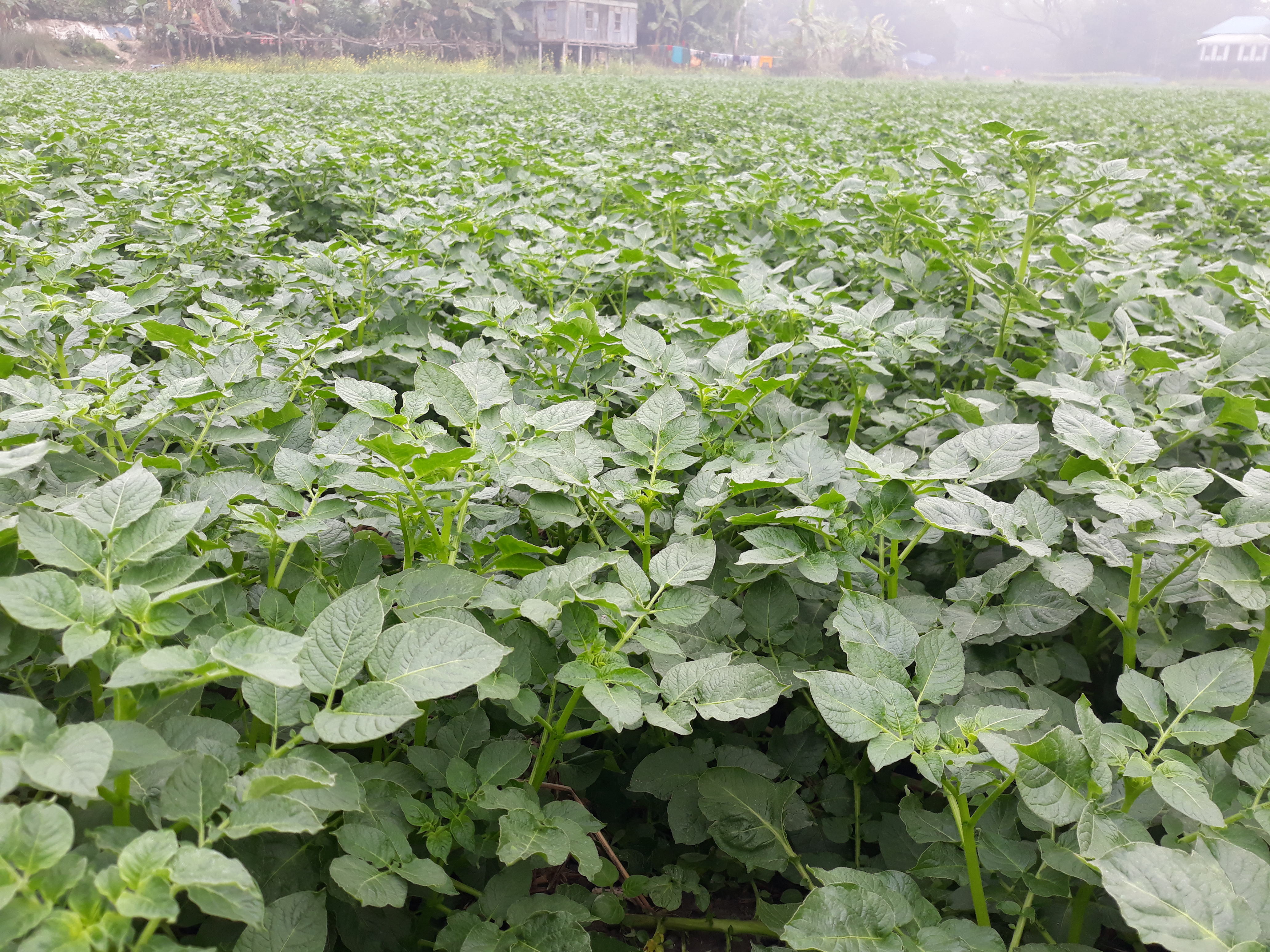
Prices of new potatoes rose suddenly in the markets of Dinajpur, in northern Bangladesh, in the second week of January 2026, by Tk 10 to Tk 25 a kilogram depending on the variety, Jagonews24 reported after visiting markets across the district on Sunday 11 January. New potatoes were selling that day at Tk 30 to Tk 45 a kg, while old potatoes stayed at Tk 12 a kg. Farmers and traders put the rise down to bitter cold and fog, which they said had left too few labourers to lift the crop from the fields. As new potatoes grew dearer, demand for old ones increased.
What potatoes cost in Dinajpur on 11 January
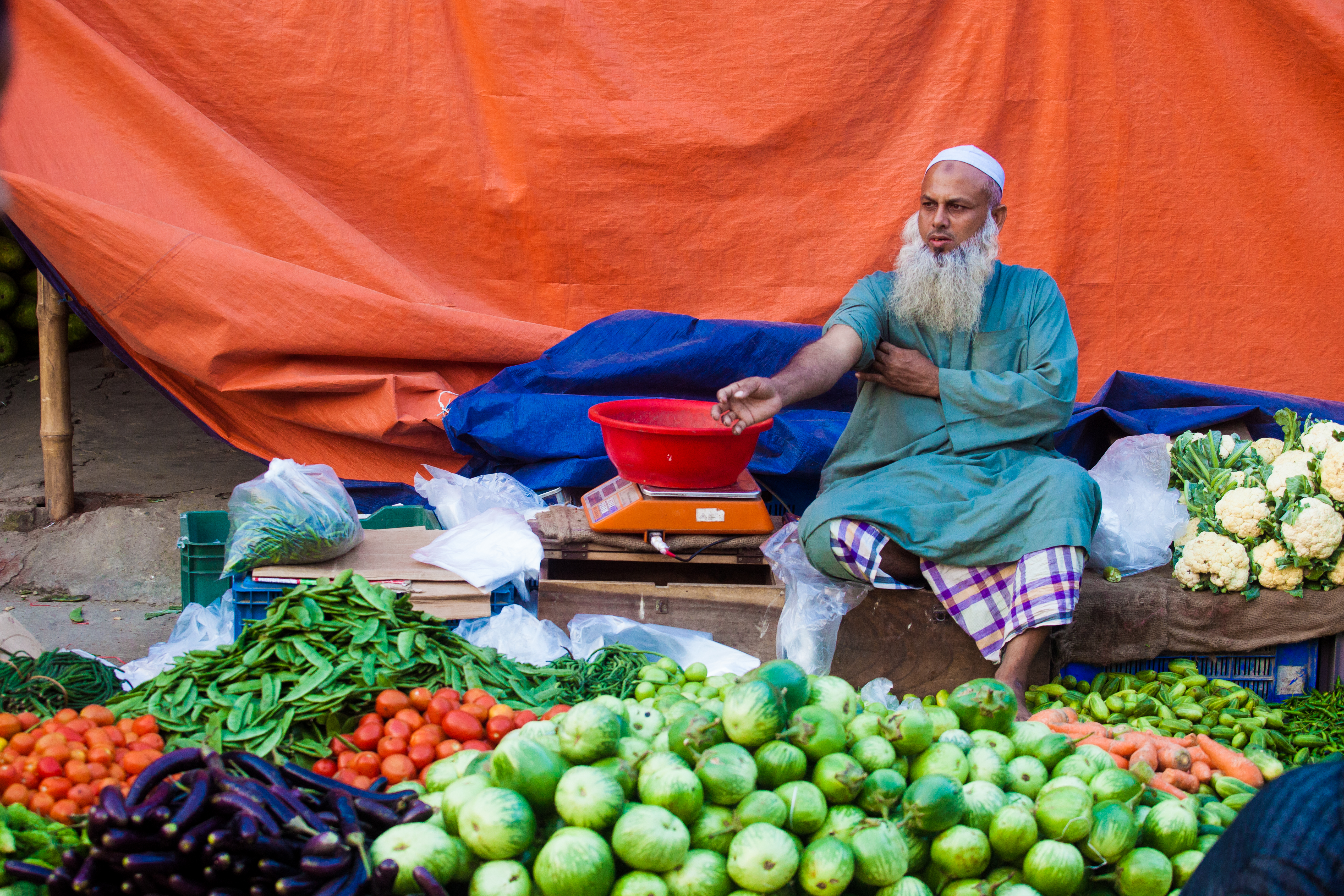
The Jagonews24 report separated market prices from those in neighbourhood shops. Where the markets charged Tk 30 to Tk 45 a kg, neighbourhood grocers were selling new potatoes at Tk 40 to Tk 60 a kg depending on the variety. The report compared that day's prices with those of two days earlier:
- Staris 7: Tk 30 a kg, up from Tk 15 two days earlier.
- Deshi round potatoes: Tk 35 to Tk 45 a kg, up from Tk 25.
- White Chollisha: Tk 40 a kg, up from Tk 25 to Tk 30.
- Bina Seven, Sunshine and deshi Shakhita: Tk 40 to Tk 45 a kg; the report gave no earlier price for these.
- Old potatoes: Tk 12 a kg at retail, unchanged.
The report said supply in Dinajpur's markets had fallen and many vegetable shops had no new potatoes at all. At Bahadur Bazar, the town's largest fresh produce market, many wholesale potato shops were closed that day. No new potatoes could be found there below Tk 30 a kg, so shoppers were buying old potatoes because they had little choice.
What farmers and traders said lay behind the rise
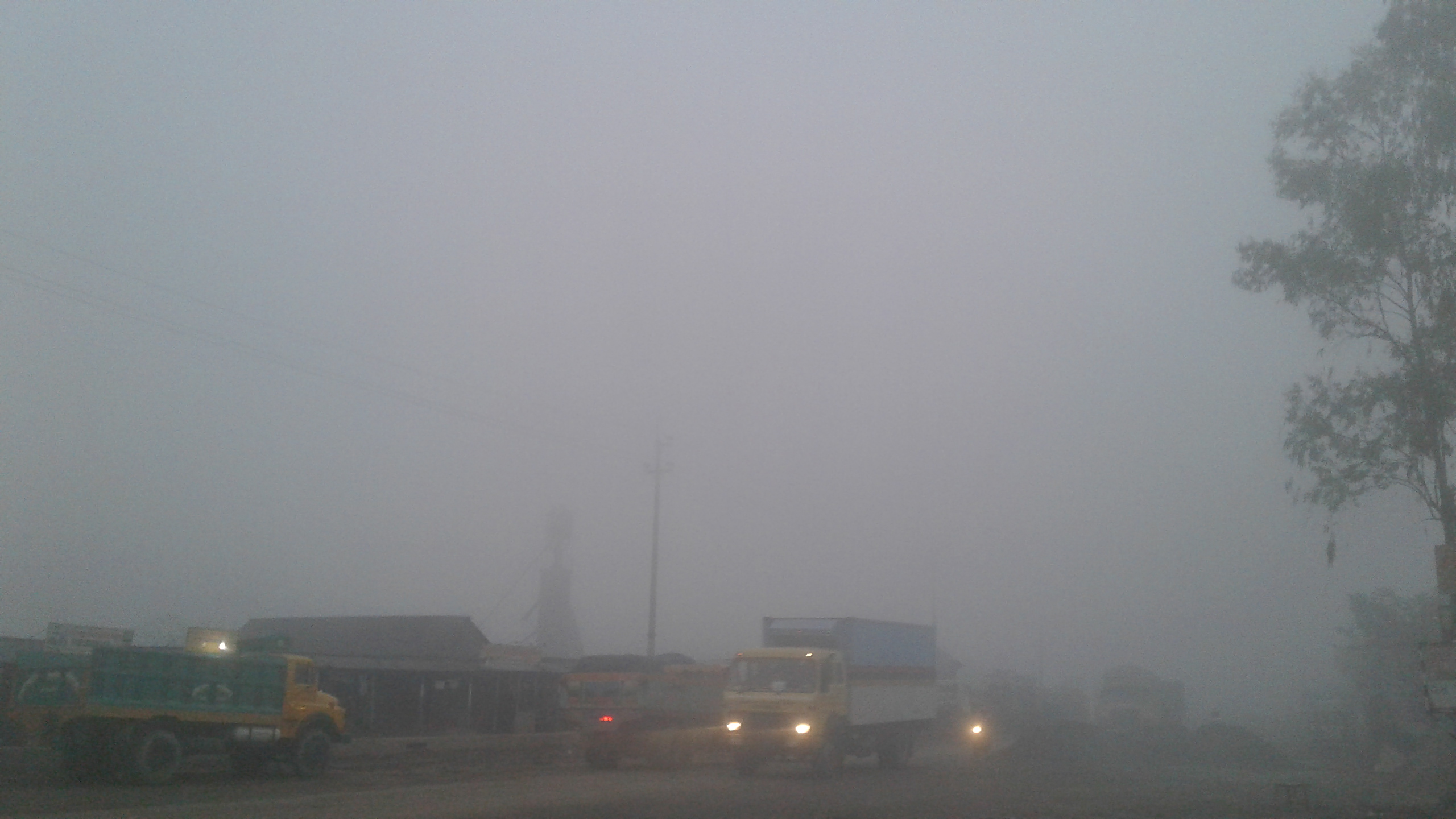
Citing the weather office, Jagonews24 said a mild cold wave had gripped Dinajpur district for seven days in a row. With day and night temperatures close together, the cold felt severe. Working in open fields became harder still, a shortage of farm labour followed, and not enough workers could be found to lift the early potatoes, so the harvest fell short of demand.
The report gave a second reason for the thin supply. What was being harvested was largely loaded on to trucks and sent to Dhaka, leaving less for local markets. Wholesale potato trader Azahar Ali said farmers could not lift potatoes because of the cold, so the market had no supply. By his account, big traders were using whatever potatoes they could get to keep Dhaka's big traders supplied, while local demand was being met with old potatoes. He too said that old potato prices had not risen and that they were still selling at Tk 12 a kg at retail.
The gap between the field and the shop
On whether the higher prices were reaching growers, the report carried one farmer's view. Jewel Islam, of Ghughudanga village in Sadar upazila, said field prices had not risen in step with market prices. He said potatoes in the field were selling for at most Tk 20 depending on the variety, and that the price doubled as they changed hands.
Retailers said they were paying more too. Amir Hamza, a grocer in the Uposhohor area, said market prices had gone up, so shops were buying high and selling high. He was selling white Chollisha potatoes at Tk 50 a kg that day. A buyer named Rupam said that because new potatoes were expensive, he had bought 5 kg of old potatoes for Tk 60. The report treated the fall in supply as the main cause of the rise; it carried no statement from the agriculture or market authorities and no account of market monitoring.
The cold spell that stopped work in the fields
Other reports from that week describe the same cold in Dinajpur. Dhaka Tribune said on 8 January that the district's minimum temperature that Thursday was 9.5°C. Thick fog had covered the whole district since early morning, the sun stayed hidden past 9am in many areas, and vehicles moved with their headlights on. The officer in charge of the Dinajpur meteorological office said high humidity, at around 93 percent, was making the cold feel sharper. The same report said the cold was hitting day labourers and homeless people hardest, and many were seen burning straw to keep warm.
The cold was national as well. bdnews24.com reported on 7 January that a mild to moderate cold wave was blowing over the Rajshahi, Rangpur, Khulna and Barishal divisions and a number of other districts, and that Badalgachi in Naogaon had logged the season's lowest temperature, 6.7°C. Dinajpur lies in Rangpur Division. A meteorologist quoted in that report said fog had narrowed the difference between the day's high and low temperatures, which made it feel colder, the same explanation the weather office gave in the Dinajpur market report. The forecast in that report said the prevailing cold wave could continue through Sunday, the day of the Dinajpur market report, with moderate to thick fog across the country from midnight to the morning on Wednesday and Thursday.
Under the Bangladesh Meteorological Department's scale, a drop to between 8°C and 10°C over a large area is a mild cold wave, between 6°C and 8°C a moderate one, and between 4°C and 6°C a severe one. Dinajpur's 9.5°C on 8 January falls in the mild band. The first cold wave of that winter had been reported at the end of December: in Dhaka Tribune on 28 December a BMD meteorologist called it the first of the current season. That report said the sudden cold had caused the greatest hardship in the northern districts, where daily wage earners and farm labourers faced growing difficulties as work opportunities declined.
January cold is no stranger to this region. bdnews24.com recalled that Tetulia in Panchagarh recorded 2.6°C on 8 January 2018, which that report called the lowest in the country's history, and that Saidpur fell to 3°C on 11 January 2013.
Why lifting potatoes depends on labourers
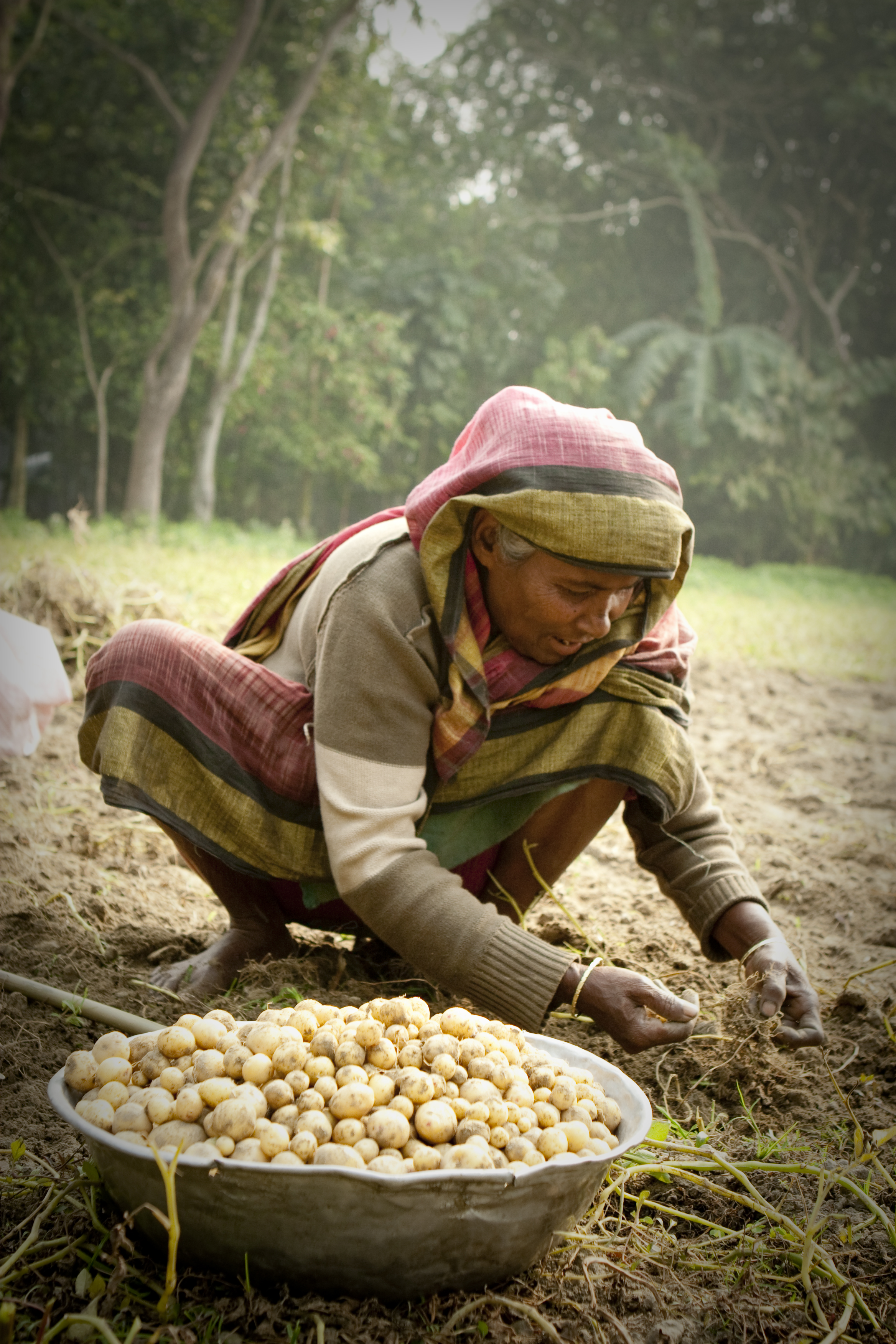
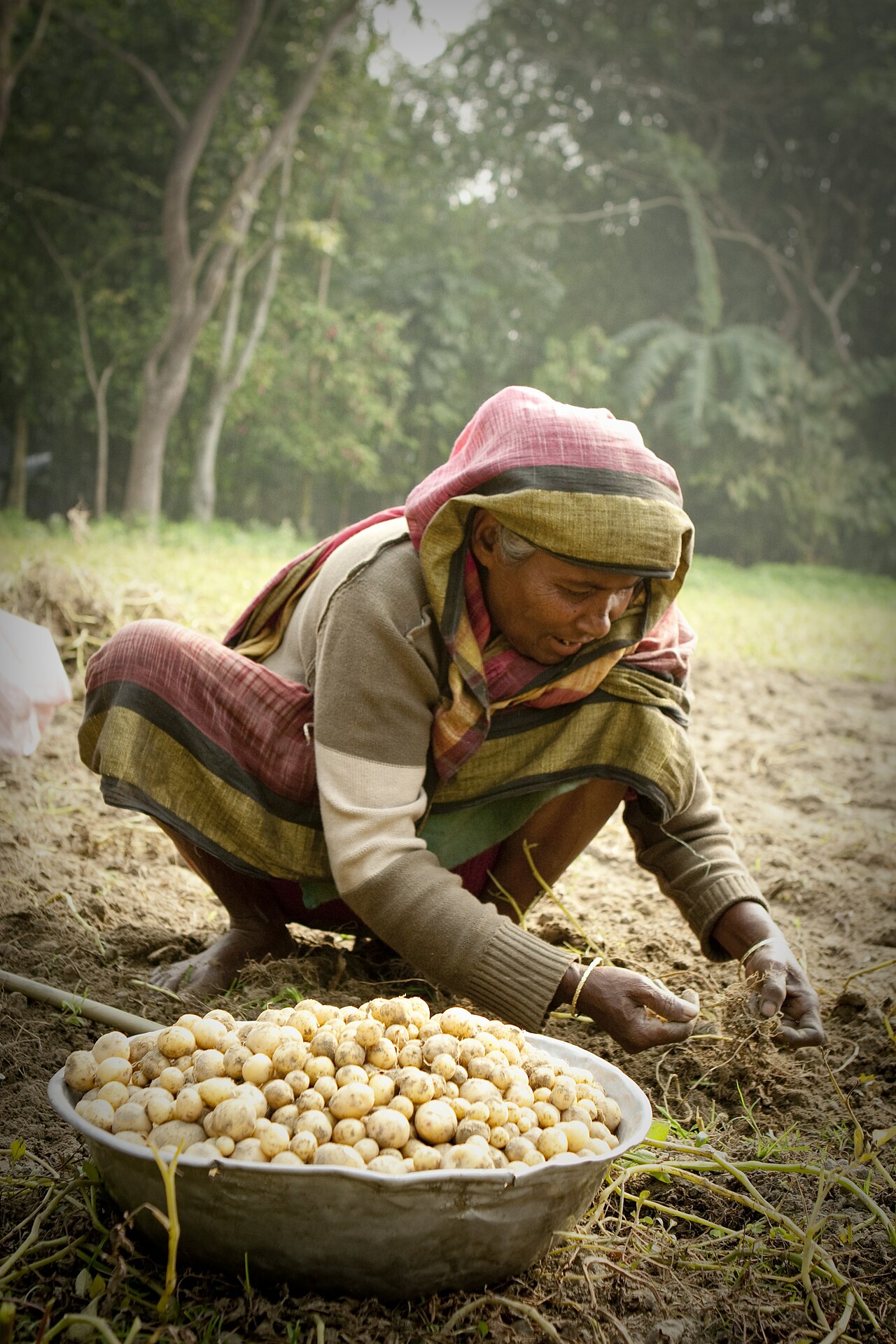
The way the crop is grown explains how a cold spell could reach the price of potatoes so directly. Banglapedia says virtually all potatoes in Bangladesh are planted by hand, and that the tubers are usually collected by hand too, using a spade or similar tool. If labourers do not go into the field, the potatoes stay in the ground. Banglapedia also describes when the crop is ready: as plants mature and the tubers form fully, the leaves turn yellowish, then brownish, and finally the plants die, and it is better to harvest after these signs appear.
What happened in Dinajpur came during the early crop, just as the main season was about to begin. Banglapedia gives the first fortnight of November as the right time for planting, but says farmers in certain northwestern areas plant as early as October to harvest early, and that most varieties are lifted in February and March. The Daily Star reported on 19 August 2025 that planting runs from mid-September to November and the main harvest from mid-January to March, with early varieties reaching the market from December. New potatoes in the market on 11 January were therefore coming mainly from the early crop, as the Jagonews24 report itself said.
Cold and fog bring potato growers another familiar worry. The Daily Star reported on 9 February 2025 that cold weather and dense fog had set off late blight in Thakurgaon and Panchagarh, the districts north of Dinajpur, where the disease is known locally as Patamora rog. The Thakurgaon deputy director of the Department of Agricultural Extension described how, if left uncontrolled, it turns leaves brown to blackish until they die, and can spread to the whole plant. The January 2026 report from Dinajpur made no mention of disease; the problem it described was labour. Any fungicide use against such disease should follow the upazila agriculture officer's advice.
Dinajpur's early potato crop that season
Early potato growing is long established in Dinajpur. The Daily Star reported on 29 October 2015 that farmers in Dinajpur and adjoining districts were planting in early October and hoped to harvest in late November or early December, and that the agriculture department was suggesting early potatoes after early paddy. That report gave a figure from the DAE's regional office in Dinajpur: around 14.5 lakh tonnes from 74,000 hectares in Dinajpur, Thakurgaon and Panchagarh in the previous year. It also mentioned a grower planting five acres at Ghugudanga in Sadar upazila, the area of the farmer quoted in 2026, which shows the village was already potato country.
Dhaka Tribune described the 2025-26 early planting on 19 October 2025. Citing the DAE, it said early varieties were being grown on about 11,000 hectares in the district. Farmers were sowing Bina-7, Sunshine and Stariz, names that match the varieties on the Jagonews24 price list. They expected the crop to be ready in 50 to 55 days and hoped for 140 to 150 maunds an acre. The report said the main incentive for early planting in the Bengali month of Ashwin was the higher market price of early-harvested potatoes.
Seed was unusually cheap that season. According to the report, in earlier years farmers had paid Tk 80 to Tk 110 a kg even though the government had fixed seed prices at Tk 57 to Tk 66 depending on the variety, while that year the same seed was selling at Tk 15 to Tk 16. Labour costs were similar to the year before. On fertiliser, farmers alleged that dealers were charging above the government's prices and refusing to give vouchers. The Tribune said none of the dealers it approached agreed to comment, and the deputy director of the Dinajpur DAE said that if reports of overpricing were verified, the department would investigate and act.
New potato prices had been falling a month earlier
The January jump came after weeks in which new potato prices had been coming down across the country. Prothom Alo reported on 16 December 2025 that new potatoes in Dhaka had fallen by Tk 15 to Tk 20 a kg in a week, to Tk 35, or Tk 25 to Tk 30 for smaller ones. Citing sellers, the paper said that when the season's first new potatoes arrived 20 to 25 days earlier they had cost Tk 130 to Tk 150 a kg. Old potatoes in Dhaka were then selling at Tk 20 to Tk 25. Citing the Trading Corporation of Bangladesh, the report said new and old potatoes had both sold at Tk 60 to Tk 70 a kg in mid-December of the year before.
Prices in the north were lower still at the end of December. BSS reported from Lalmonirhat on 24 December that one early variety was selling wholesale at Tk 17 a kg and the Hagrai or Bograi type at Tk 26. At retail, the early variety sold at Tk 20 to Tk 22 and Hagrai at Tk 30 to Tk 32, while last season's old red potatoes could be had at Tk 8 to Tk 10. A wholesaler told the agency that the large supply of old potatoes had cut demand for new ones.
Why old potatoes from a record crop were so cheap
Old potatoes were cheap across the country that winter after a record crop the season before. Citing Bangladesh Bureau of Statistics estimates, The Daily Star reported on 19 August 2025 that 1.15 crore tonnes of potatoes had been produced on 4.92 lakh hectares in fiscal 2024-25, the highest in history. By the estimates of the Tuber Crop Research Centre and the Bangladesh Cold Storage Association, the country needed just over 90 lakh tonnes including about 10 lakh tonnes of seed. Exports in 2024-25 were just over 62,000 tonnes.
With the surplus weighing on prices, the government on 27 August 2025 set a minimum price of Tk 22 a kg at cold storage gates and announced a plan to buy 50,000 tonnes for sale in October and November. In The Daily Star on 2 October, however, stakeholders blamed the government, saying the fixed price was not being followed and the promised purchase had not been carried out. Potatoes were then selling at Tk 18 to Tk 25 at retail and Tk 11 to Tk 12 wholesale. On 15 October the paper reported that wholesale prices had reached a record low of Tk 8 a kg. The Bangladesh Cold Storage Association counted 21.79 lakh tonnes in 340 cold storages as of 30 September. The DAE estimated production cost at Tk 14.5 to Tk 16 a kg in the northern districts, which the paper said account for around 80 percent of output.
The arrival of new potatoes made things worse for old stock. Prothom Alo reported from Rajshahi on 11 December 2025 that the cold storage price had dropped from as high as Tk 19 a kg some time earlier to Tk 11, with hardly any buyers. The deputy director of the Department of Agricultural Marketing's Rajshahi office told the paper there were no buyers at the announced Tk 22 and that no gazette notice on the purchase had yet been issued. Farmers put their total cost, including production, storage, transport and sacks, at Tk 35 a kg.
Dinajpur and the potato
Banglapedia describes Dinajpur as a district of Rangpur Division covering 3,444.30 square kilometres, with 13 upazilas, established in 1786. It is bounded by Thakurgaon and Panchagarh to the north, Nilphamari and Rangpur to the east, Gaibandha and Joypurhat to the south, and India's West Bengal to the west. The 2011 census counted 2,990,128 people, and agriculture was the main source of income, at 63.90 percent. Potato sits among the main crops of Sadar upazila, beside paddy, wheat, sugarcane, mustard and vegetables.
The district also has a place in the story of potato varieties. Banglapedia says about 27 local varieties are grown in Bangladesh, types brought to the region in the distant past that are still grown for taste and cooking quality despite poor yields. One of them, Lal Pakri, is cultivated widely in Dinajpur, Bogra and Sirajganj, with reddish round tubers of about 30 grams each. Among high-yielding types it lists Cardinal and Diament, both introduced from Holland. Botanically the potato is the edible tuber of Solanum tuberosum, of the family Solanaceae. In Bangladesh it is used mainly as a vegetable, though The Daily Star noted that a portion goes to processors for chips and crackers.
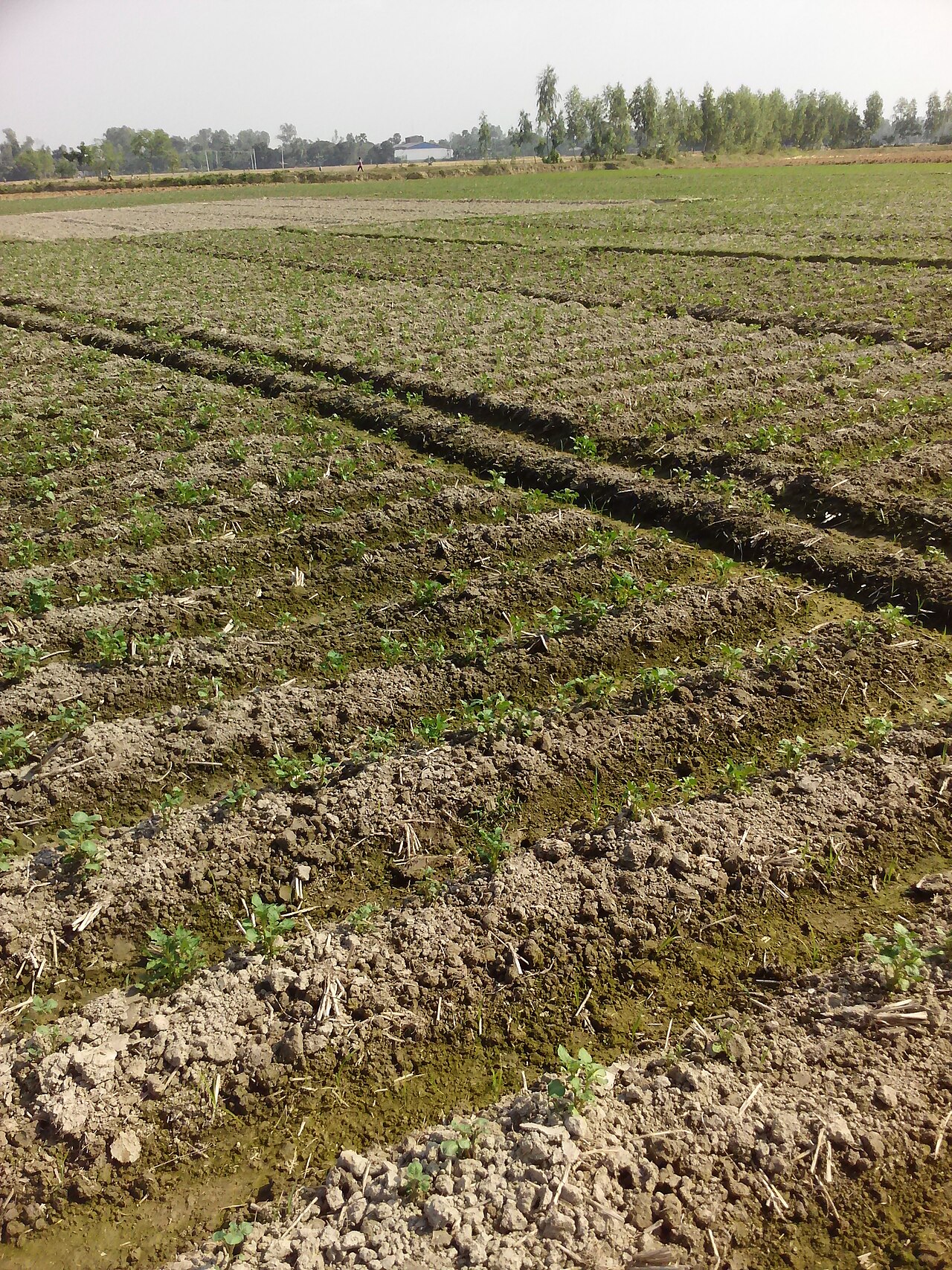
Photo: কুউ পুলক / Wikimedia Commons (CC BY-SA 4.0). The top picture shows a potato field in Munshiganj, Bangladesh, as background.
Sources: Jagonews24, Dhaka Tribune, bdnews24.com, Prothom Alo, Bangladesh Sangbad Sangstha (BSS), The Daily Star, Banglapedia
Comments
(0)