
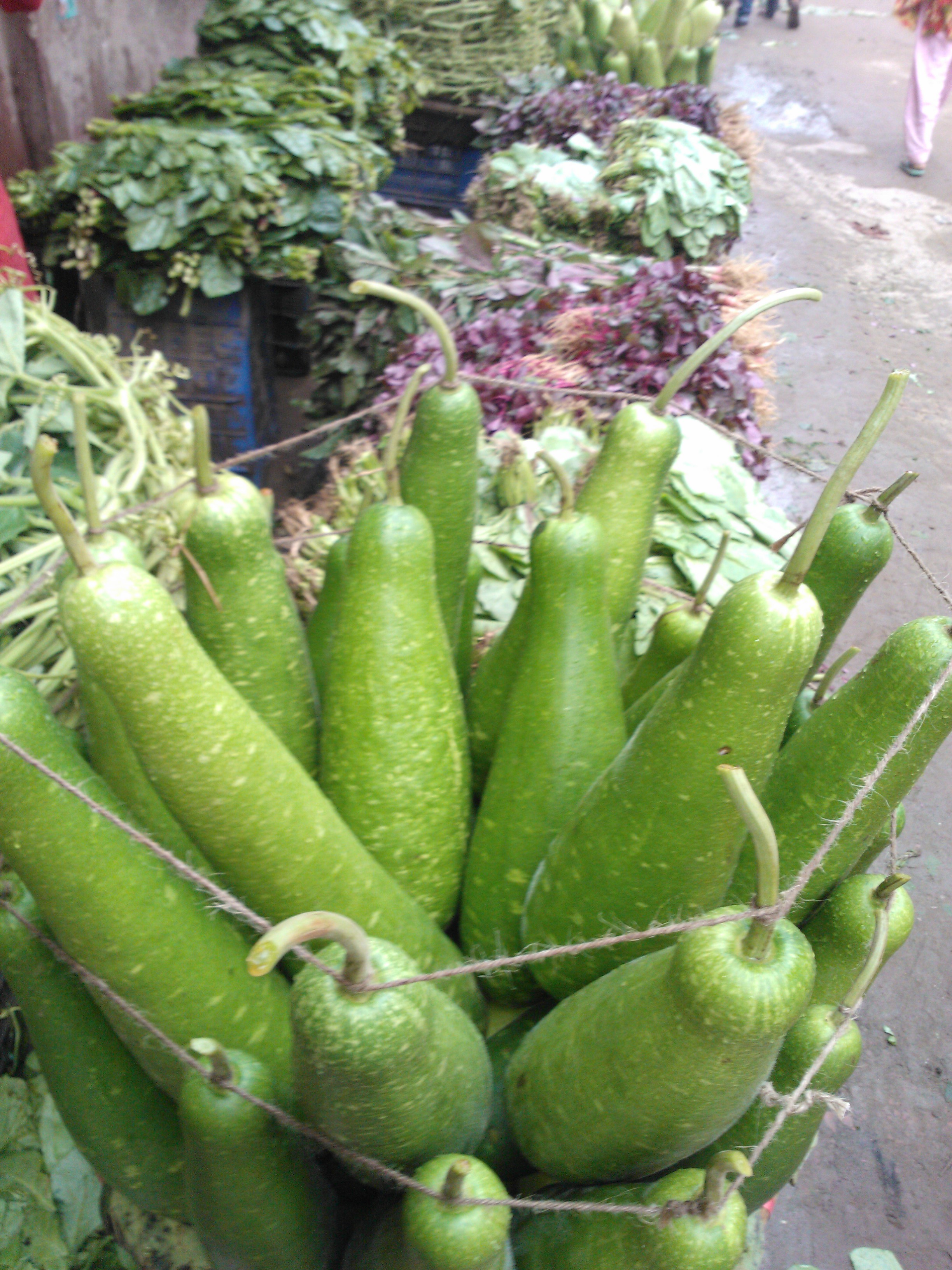
Vegetable supplies were very thin in Dhaka's kitchen markets on Friday, 29 May 2026, the day after Eid-ul-Adha. In the markets of Rampura, Malibagh, Khilgaon and Banasree most traders kept their shops shut, so there was little on sale. According to Jagonews24's report that day, many vegetables cost Tk 10 to Tk 30 a kg more than before Eid.
Neighbourhood traders said supply at the wholesale depots (arats) was also low and prices there were high. They said Friday is normally Dhaka's biggest day for vegetable sales, but because it fell the day after Eid very little stock reached the depots and not all the wholesalers were present. With less stock arriving, wholesale prices of many vegetables had risen sharply, they said, and retail prices followed.
Shuttered stalls the day after Eid
Jagonews24's reporter went round the markets of Rampura, Malibagh, Khilgaon and Banasree that morning. At the Hajipara Boubazar in Malibagh most traders had not opened, and only a handful of sellers sat with vegetables. The Taltala market in Khilgaon looked the same. Those who did open had brought in less produce than on an ordinary Friday.
The areas in the report are crowded residential neighbourhoods in the east of the capital. Rampura Thana, under Dhaka North City Corporation, was formed in 2009 and covers about 2.8 square kilometres, taking in parts of the Banasree residential area and the city corporation's wards 22 and 23; the 2022 census counted 160,812 people there. Neighbouring Khilgaon Thana, under Dhaka South City Corporation, was formed in 1988, covers 14.83 square kilometres and had 380,740 residents in the 2022 census.
Retailers in these neighbourhoods usually buy from the capital's large wholesale markets and depots. The biggest is Karwan Bazar in Tejgaon Thana, in the Dhaka North City Corporation area, one of the country's largest commodity markets. As of 2024 the city corporation ran four markets there on about 24 bighas of land, with 1,789 permanent and 180 temporary shops. Lorries from the villages unload at such depots, and vans and small vehicles carry the produce on to neighbourhood markets. During the Eid holiday every link in that chain has fewer hands and fewer vehicles, and the effect showed in the markets that Friday.
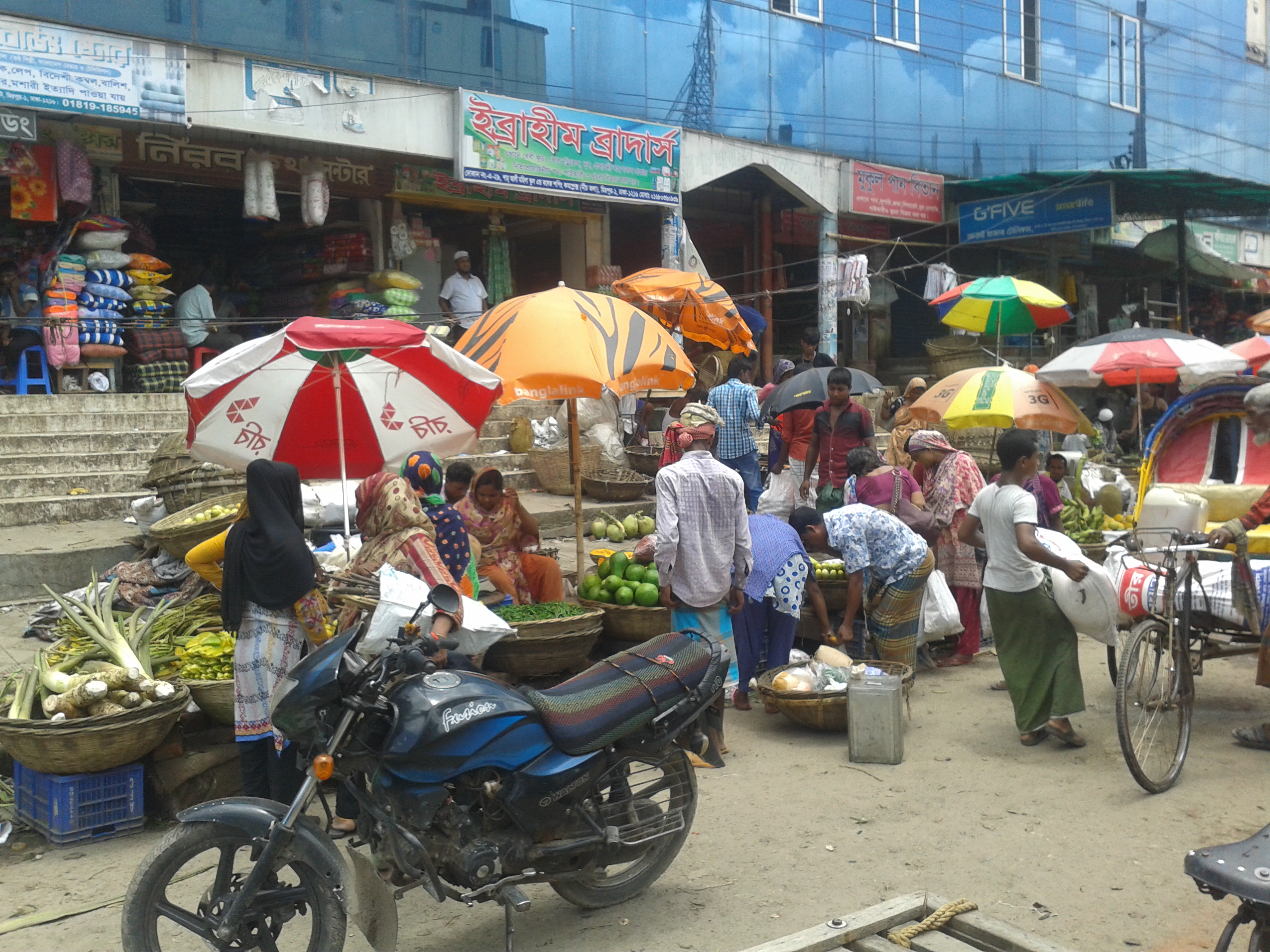
What the vegetables cost
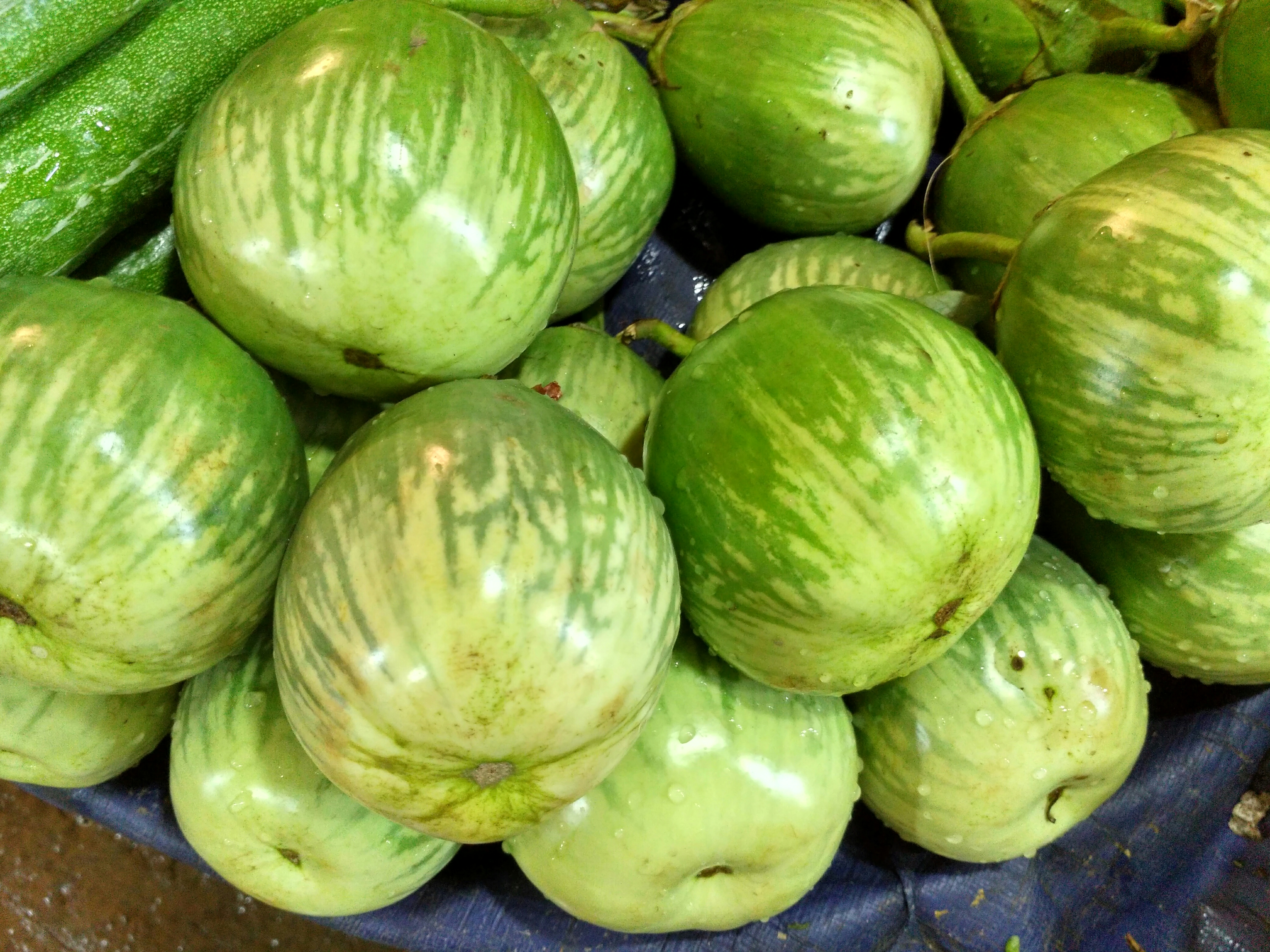
On 29 May ripe tomatoes were selling at Tk 100 to 130 a kg, against Tk 80 to 90 before Eid. Aubergines (brinjal) were Tk 80 to 90 a kg, up from Tk 60 to 70. The pre-Eid and post-Eid prices given in the report were:
- Ripe tomatoes: Tk 80 to 90 a kg before Eid; Tk 100 to 130 on 29 May
- Aubergines: Tk 60 to 70 a kg before Eid; Tk 80 to 90 on 29 May
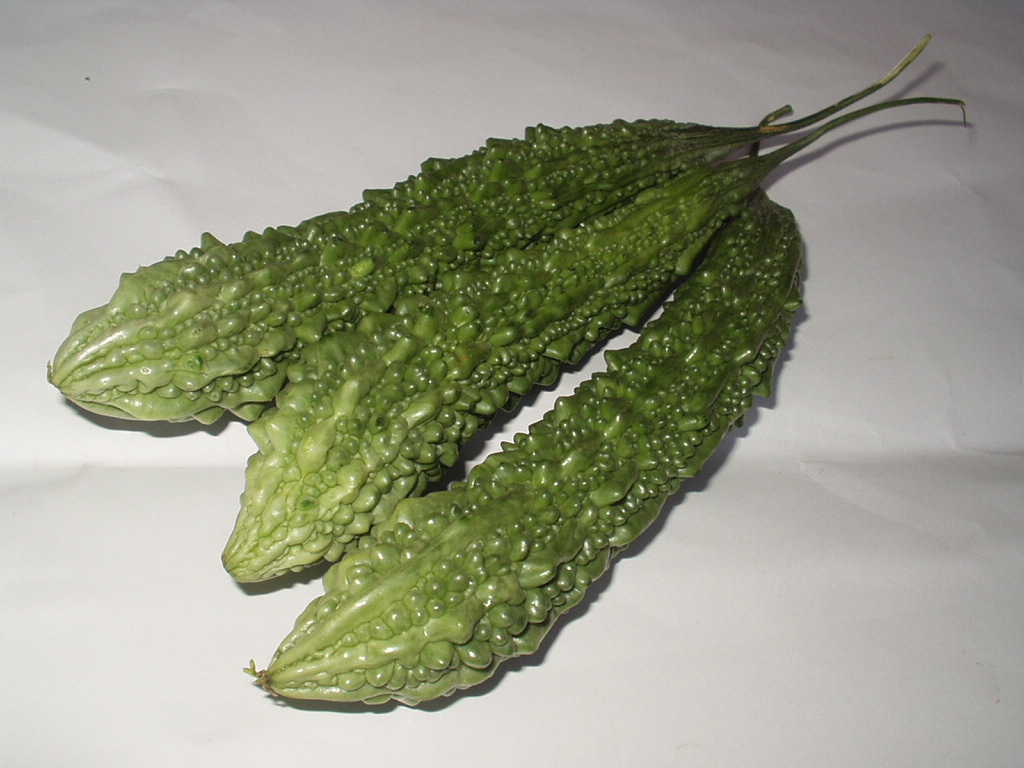
- Bitter gourd: Tk 50 to 60 a kg before Eid; Tk 80 to 90 on 29 May
- Spiny gourd (kakrol): around Tk 60 a kg before Eid; Tk 70 to 90 on 29 May
- Okra: Tk 50 to 60 a kg before Eid; Tk 70 to 80 on 29 May
- Green chillies: Tk 20 a poa (250 grams) before Eid; Tk 30 to 40 a poa on 29 May
- Cucumbers: Tk 30 to 40 a kg before Eid; Tk 60 to 70 on 29 May, and up to Tk 100 in some places
Cucumbers and green chillies stood out. Green chillies are usually sold by the poa, a quarter of a kilo, in Dhaka's neighbourhood markets, which is why the report gives their price that way. These are the retail prices the reporter found in Rampura, Malibagh, Khilgaon and Banasree; other markets in Dhaka, and wholesale prices, may have differed.
What the traders said
Kaiser, a vegetable seller in Rampura, told Jagonews24 that many depots were closed for Eid and far fewer lorries had come in with vegetables from the villages, so supply had fallen, the depots had little stock and prices were a little higher. He expected things to return to normal in a day or two. "Eid was on Thursday. If today weren't Friday I wouldn't have opened either. Most people in Dhaka do their shopping on Friday, so I brought vegetables hoping to sell some even though it's the day after Eid," he said.
Titu Mia, who sells vegetables from a van, said everything had become dearer at the depots, so retail prices were a little higher too; by his reckoning almost every vegetable was up by about Tk 20 a kg on pre-Eid levels. He said he had been in business in Dhaka for seven years and that vegetable sales are very low for a few days after the Qurbani Eid. Because it was Friday he had brought a small amount of stock in the hope of selling something, and the depots, too, had received little, he said.
Md Bakul, another vegetable seller, said it was normal for prices to stay a little high after Eid. He said several days of continuous rain had damaged vegetable fields, and in that light prices had risen relatively little the day after Eid. Demand, in his view, was comparatively low because most people had gone to their villages for Eid and those still in Dhaka had meat at home. He expected demand to stay low for a few more days and prices to climb further once it picked up. The crop damage is the trader's own account; the report gave no official estimate of it.
What the buyers said
Nazmul Hossain, a private-sector employee shopping in Rampura market, said he found everything dearer when he came to the market after Eid. "You still have to run the household after Qurbani. You can't eat rice with meat alone, so I came to buy some vegetables," he said.
Kamal Mosharraf, who bought tomatoes and other vegetables at Khilgaon Taltala, said he had paid Tk 80 for a kilo of ripe tomatoes before Eid but was charged Tk 120 that day, while okra he had bought at Tk 60 a kg before Eid now cost Tk 80. "We gave Qurbani and several meat dishes were cooked at home. But how many times can you eat only meat? If I don't eat some vegetables I'll fall ill, so I'm taking some home," he said.
The two buyers made the same point: even with meat in the house after Qurbani, families still need vegetables for everyday cooking. Traders spoke of weak demand while buyers spoke of higher prices; the sellers put the day's prices down mainly to the fall in supply.
The Eid holiday, an emptier Dhaka and the sacrificial animals
On the evening of 18 May 2026 the National Moon Sighting Committee, meeting in the Islamic Foundation's conference room at the Baitul Mukarram National Mosque, announced that the Dhul-Hijjah moon had been sighted and that Eid-ul-Adha would be celebrated across the country on Thursday, 28 May. Bangla Tribune reported the announcement that evening.
Government employees were given seven consecutive days off for Eid-ul-Adha, from 25 to 31 May. Under the Cabinet Division's notification government offices stayed open on Saturday, 23 May, and were to reopen on 1 June after the holiday. Friday, 29 May, the day of the market report, was therefore the fifth day of the seven-day break. During such long holidays large numbers of Dhaka residents go to their home villages, which is why neighbourhood markets had fewer customers as well as fewer sellers.
The Department of Livestock Services' pre-Eid figures help explain the buyers' remarks about meat at home. According to Bangla Tribune's report of 22 May 2026, the department put that year's demand for sacrificial animals at 10,106,334 and the number of animals ready at 12,333,840, a surplus of about 2.2 million. The animals ready included 5,695,878 cattle and buffalo and 6,632,307 goats and sheep. The same report said Dhaka division, the largest market, was short of about 715,000 animals, while Rajshahi division had a surplus of about 1.9 million.
The market in the week before Eid
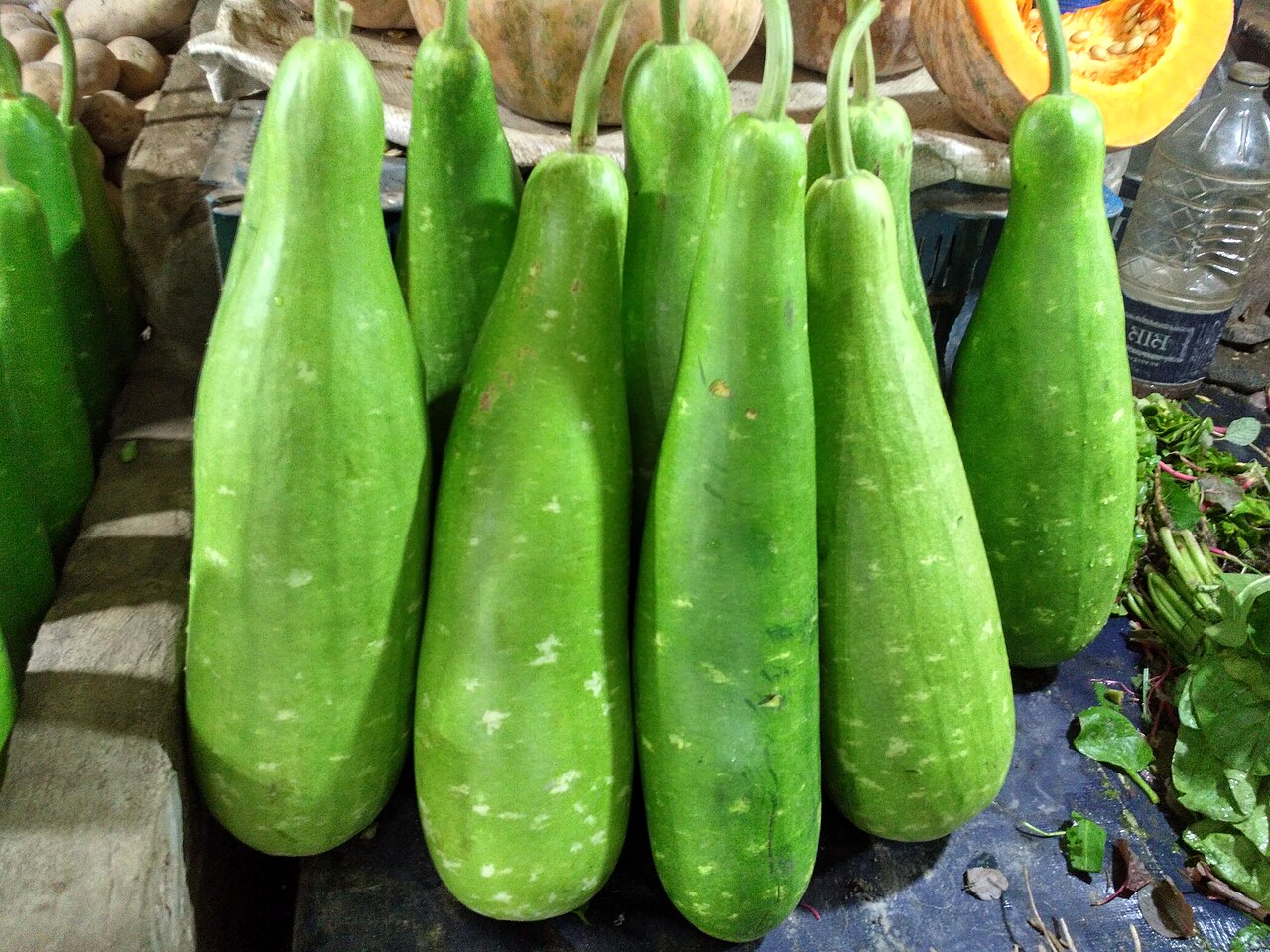
Vegetables were not cheap in Dhaka before Eid either. In a report published in the first minutes of 23 May 2026, The Business Standard visited Karwan Bazar, New Market and Lalbagh and found that although supply was adequate, retail prices were higher than in previous weeks. It reported tomatoes at Tk 100 a kg, up from Tk 80 earlier in the week; carrots at Tk 120, up from Tk 100; and bottle gourds at around Tk 100 each, against Tk 70 to 80 the week before. Long aubergines had fallen by Tk 20 a kg to Tk 100, okra was Tk 60 a kg, bitter gourd Tk 100, and snake gourd and pointed gourd Tk 80.
Tareq, a vegetable seller at New Market, told The Business Standard then that prices had risen because supply was falling as the season ended. Those prices were from Karwan Bazar, New Market and Lalbagh, while the pre-Eid prices in the Jagonews24 report came from sellers and buyers in the Rampura and Khilgaon area; prices vary from market to market.
Early in May the picture had been similar. A bdnews24.com report of 9 May 2026 from Shonir Akhra, Jatrabari, Kaptan Bazar and Segunbagicha gave tomatoes at Tk 40 to 50 a kg, bitter gourd Tk 40 to 60, okra Tk 40 to 60, spiny gourd Tk 100, green chillies Tk 60 to 70 a kg, local cucumbers Tk 100 and hybrid cucumbers Tk 70. Read side by side, though they cover different markets, the two reports show tomatoes and several other vegetables getting dearer between early May and the week before Eid.
Rain and the weather forecast
The rain that Bakul mentioned is borne out by the weather data for the days before Eid. According to a bdnews24.com report of 27 May 2026, in the 24 hours to 6pm on Tuesday, 26 May, the country's heaviest rainfall, 90 mm, was recorded at Sreemangal in Moulvibazar, while Dhaka received 68 mm. Meteorologist Tariful Newaz Kabir said then that rain or thundershowers were likely at many places in Rajshahi, Khulna, Dhaka, Mymensingh and Sylhet divisions on Eid day, with heavy to very heavy falls possible in parts of Mymensingh, Sylhet, Dhaka and Rajshahi divisions.
Dhaka Tribune reported on the night of 27 May, citing the Bangladesh Meteorological Department, that a low-pressure area was forming over the east-central Bay of Bengal and could keep the rain going for two to three days after Eid. In other words, the wet spell had not ended when supplies ran short in the markets the day after Eid.
On how weather affects summer vegetables, Banglapedia notes that summer vegetable cultivation in Bangladesh is constrained by adverse climate and pest attacks. The melon fruit fly and pumpkin beetles are major pests of the gourd family, okra suffers from the shoot and fruit borer, and tomatoes from the fruit borer. Banglapedia also notes that tomato fruit rot can strike in the field or in transit.
Summer vegetables: seasons and cultivation
Most of the vegetables that got dearer on 29 May are crops of this time of year, though their seasons differ. Banglapedia says nearly 100 kinds of local and exotic vegetables are grown in Bangladesh. The main winter vegetables are cabbage, cauliflower, tomato, brinjal, radish, hyacinth bean and bottle gourd, while the main summer vegetables are pumpkin, bitter gourd, teasel gourd (kakrol), ribbed gourd, ash gourd, okra, yard-long bean and Indian spinach. Brinjal, pumpkin, okra and red amaranth grow in both seasons.
Tomato is mainly a winter crop. According to Banglapedia, seedlings 25 to 30 days old are usually planted in November and December and are ready for harvest in 80 to 90 days. Several varieties developed by the Bangladesh Agricultural Research Institute (BARI), among them BARI Tomato-4, BARI Tomato-5, Chaiti, Lalima and the hybrid Anupama, can also be grown in the warm season. That is why ripe tomatoes are scarce and dearer at the end of May than in winter. Banglapedia names Jessore and Nawabganj as centres of commercial tomato growing.
Brinjal is planted in October and November and is ready in 90 to 100 days, but it also grows in both seasons. Bitter gourd is mainly a summer vegetable: seed is sown directly in the field, or seedlings 15 to 20 days old are transplanted between March and May. The small kind is called uchhe and the large kind karola, with a local variety known as Gaj Karola.
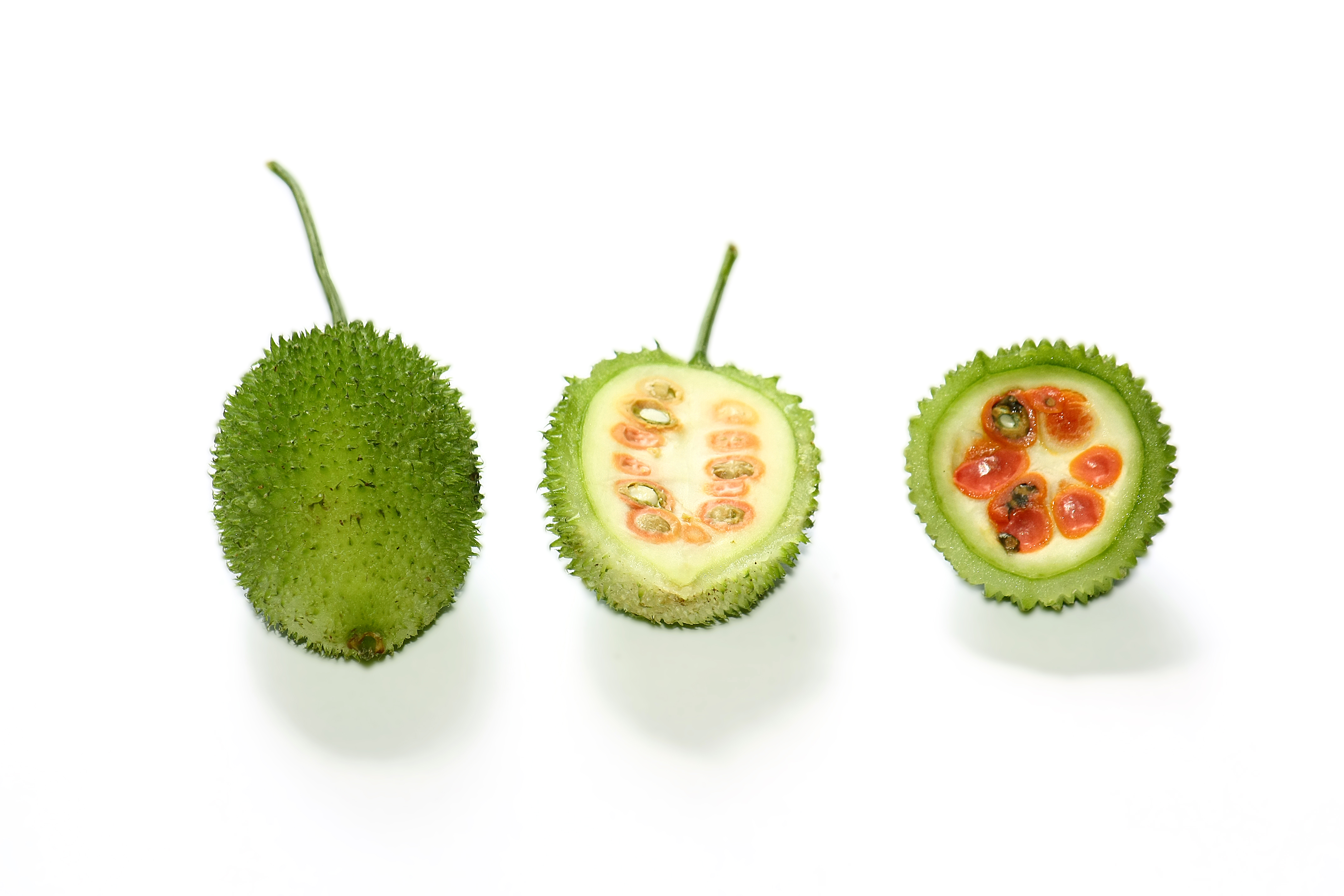
Kakrol (Momordica dioica) is a summer vegetable, probably native to the subcontinent. Banglapedia says it is propagated from tuberous roots in March and April and can be harvested in 90 to 100 days; Manipuri, Amli, Sabuj Tampu and Barna Tampu are among its local varieties, and it is in demand both at home and for export. Green chillies are grown in both summer and winter, and cucumber belongs to the gourd family. Banglapedia also names the Bogra area for pointed gourd.
Production, inflation and earlier Eids
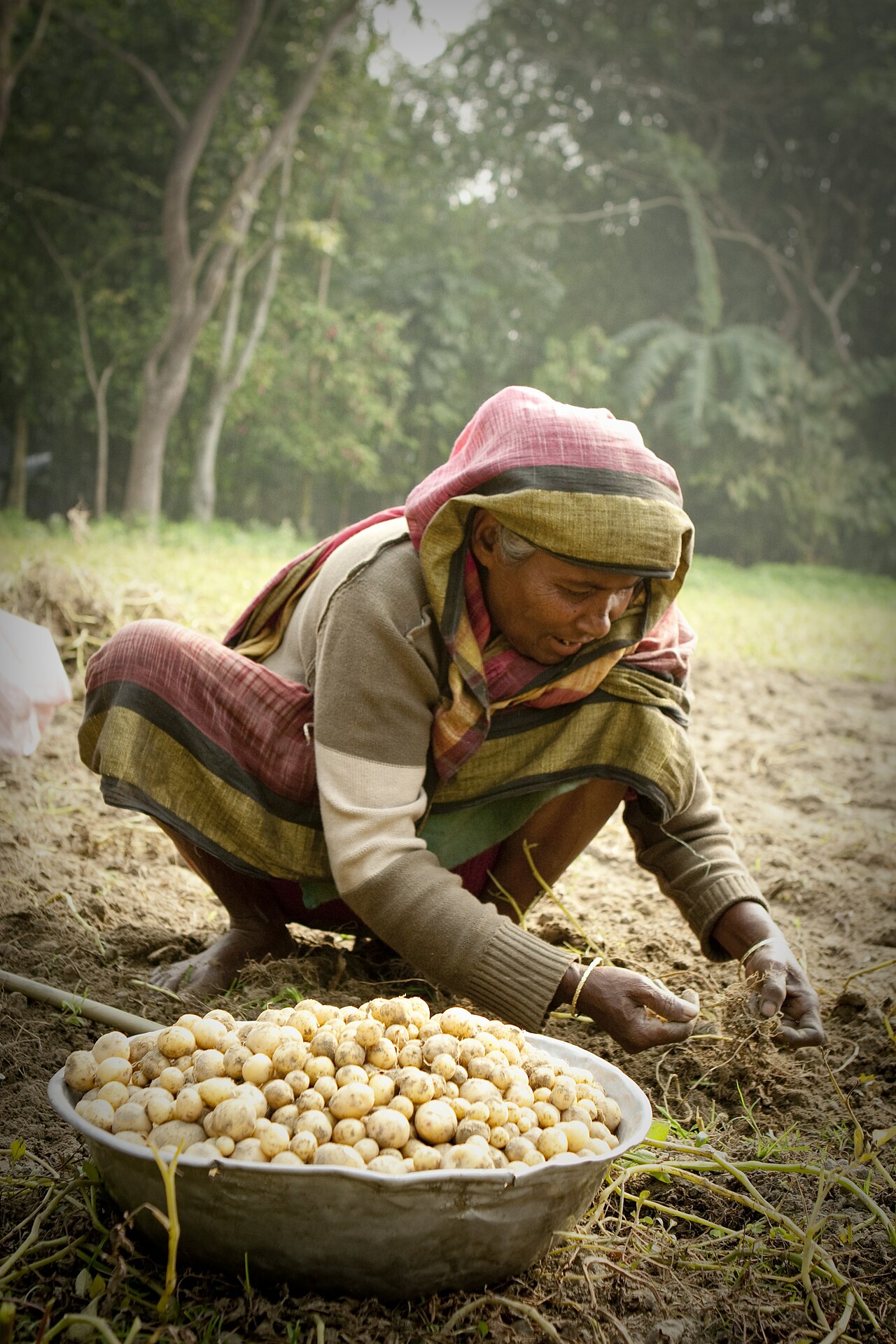
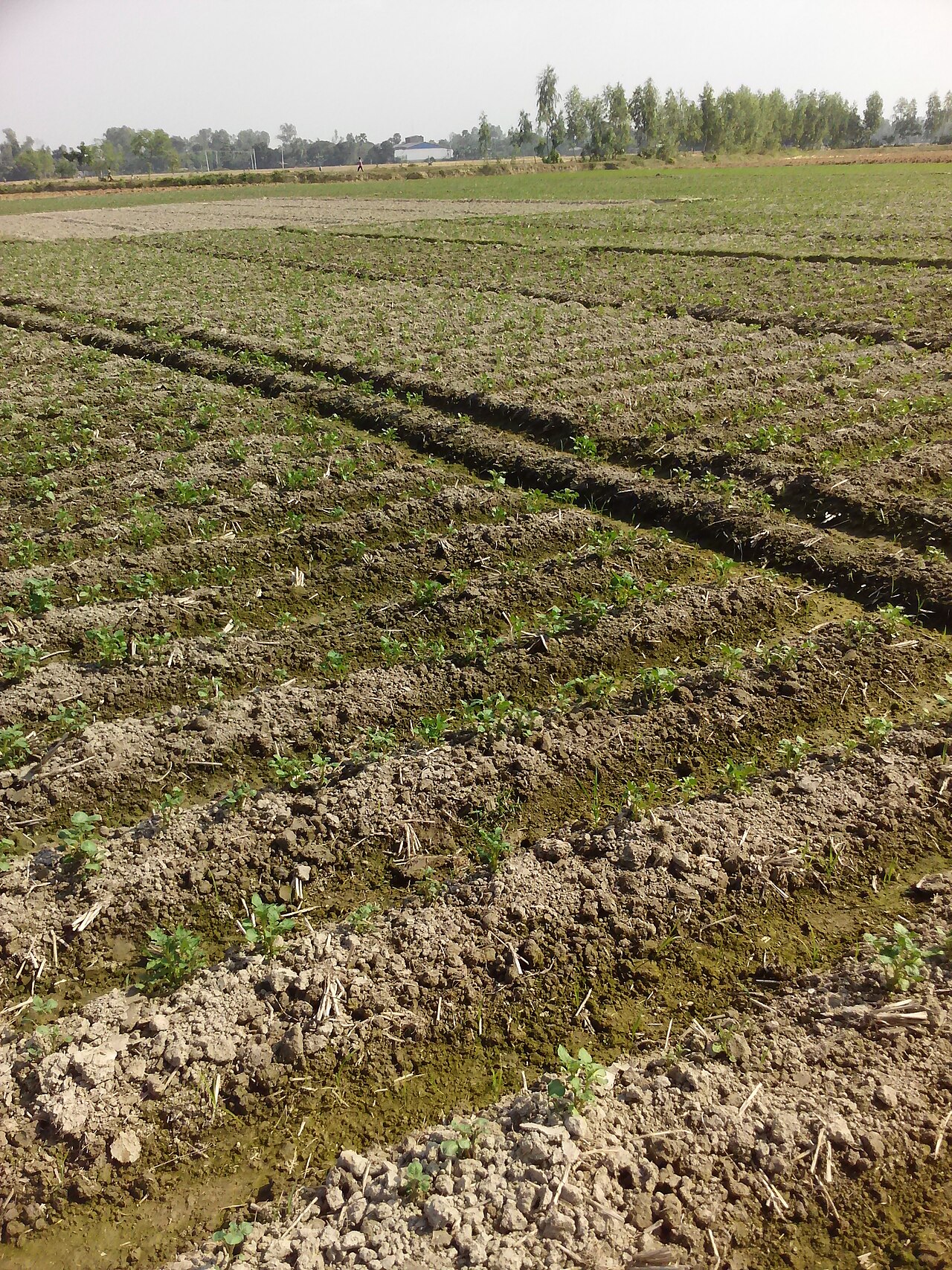
Bangladesh is a large vegetable producer. A Financial Express report of 14 September 2025, citing the Bangladesh Bureau of Statistics (BBS) Statistical Book 2025, put total vegetable production in FY2024-25 at an estimated 17.09 million tonnes, 15.29 per cent more than five years earlier. The UN Food and Agriculture Organization (FAO) ranks Bangladesh third in the world for vegetable production, after China and India. Farmers grow around 100 kinds of vegetables on nearly 1.0 million hectares, though rice and other cereals still take up more than 75 per cent of the country's 8.5 million hectares of arable land. Experts quoted in that report said that despite the growth, problems in marketing, including profiteering by middlemen and transport costs, kept vegetable prices a burden for low-income households.
Inflation figures released before Eid give the background to that pressure. Data the BBS published on 6 May 2026 showed general point-to-point inflation at 9.04 per cent in April, up from 8.71 per cent in March. Food inflation was 8.39 per cent in April against 8.24 per cent in March, and urban food inflation was 8.81 per cent. The BBS draws the figures from 154 markets across all 64 districts.
Price swings after Eid are not new. After Eid-ul-Fitr in 2025, The Daily Ittefaq reported on 5 April, from Karwan Bazar, New Market and Shantinagar, that Belayat, a vegetable seller, said fewer buyers were coming to the market after Eid but vegetable supply had fallen at the same time. After Eid-ul-Adha that year, The Financial Express reported on 14 June 2025 that many grocery shops in Dhaka had stayed shut since Eid day and customers had been far fewer for several days; several vegetables in Dhaka were then Tk 20 a kg cheaper than the week before, although tomatoes were selling at Tk 120 to 140 a kg.
On the same day Dhaka Tribune reported from Khulna that vegetable prices there had risen by about Tk 20 a kg after Eid-ul-Adha 2025, compared with a week before Eid. Zahidul, a vendor in Khulna, said then that many people, from farmers to wholesalers, had gone home for Eid, and that although crops were in the fields, harvesting had slowed and supply had fallen. The report added that monsoon rain and a shortage of labourers had also hampered harvesting. Holiday supply gaps, fewer buyers and rain had pulled prices in different directions in earlier years; on the day after Eid-ul-Adha in 2026, in the markets of eastern Dhaka, the supply shortage was what showed most.
Photo: NahidSultan / Wikimedia Commons (CC BY-SA 3.0)
Sources: Jagonews24 (29 May 2026), Bangla Tribune (18, 22 and 25 May 2026), The Business Standard (23 May 2026), bdnews24.com (9 and 27 May 2026), Dhaka Tribune (27 May 2026 and 14 June 2025), UNB (6 May 2026), The Financial Express (14 June 2025 and 14 September 2025), The Daily Ittefaq (5 April 2025), Banglapedia, Wikipedia
Comments
(0)