
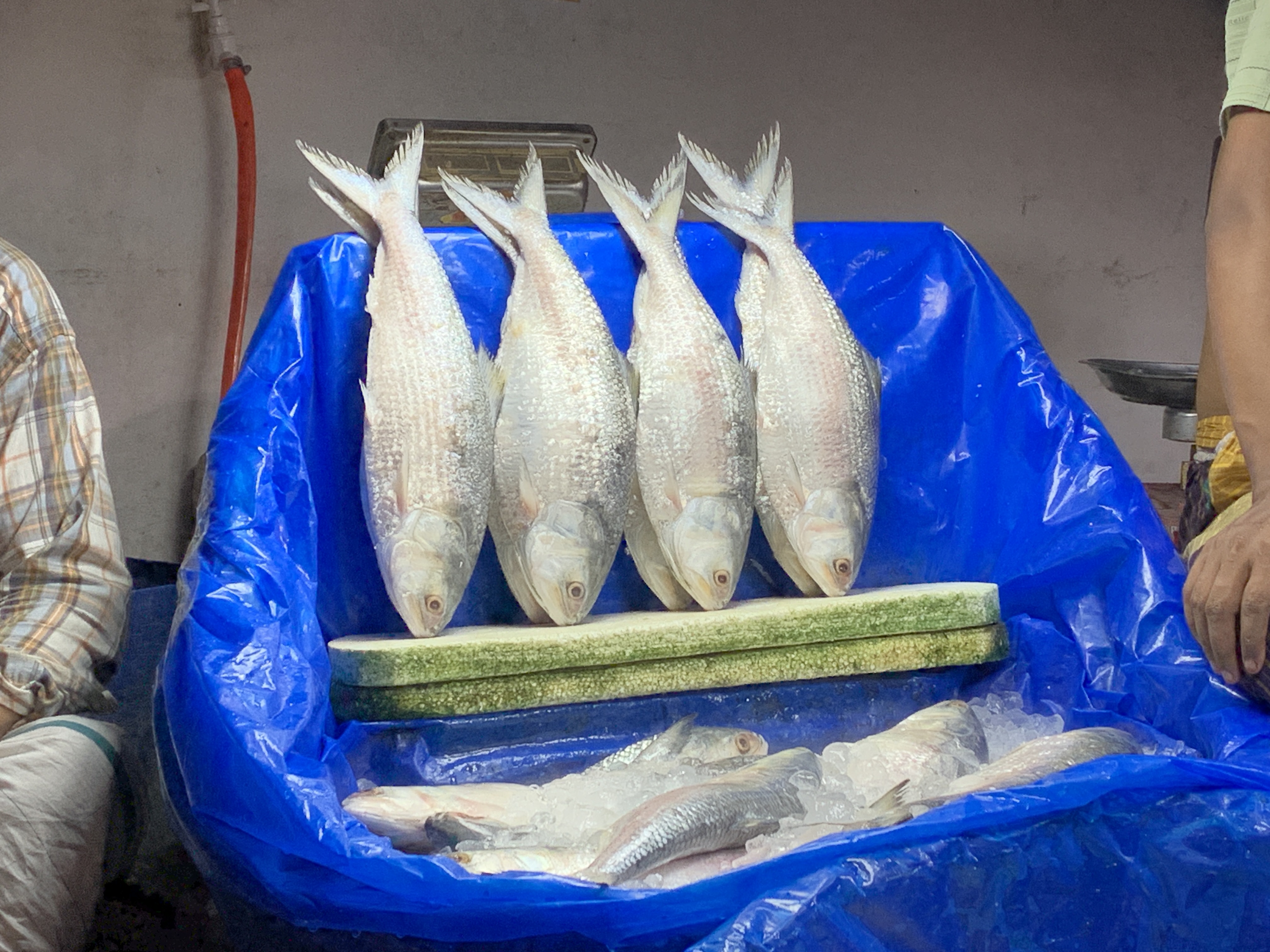
Near the end of the hilsa season, on Friday 5 September 2025, small, medium and large hilsa were all plentiful at the Kazipara, Mirpur, Mohammadpur, Hatirpool and Rampura markets in Dhaka. Even so, Jagonews24 reported that hilsa prices had risen by Tk 200 to 300 a kilogram in a week, and that other fish had become dearer in the same markets.
What hilsa cost
Hilsa weighing more than a kilo sold for Tk 2,600 to 3,000 a kg that day. Fish of 700 to 900 grams cost Tk 1,600 to 2,000 a kg, and jatka, the young hilsa, sold for Tk 600 to 800 a kg.
The same day the Bengali daily Shomoyer Alo, which also toured several Dhaka markets, wrote that hilsa remained as expensive as before despite the peak season, with a one-kilo fish selling for Tk 2,500. The paper said low supply was being cited as the reason.
Rui, pabda, pangas and other fish
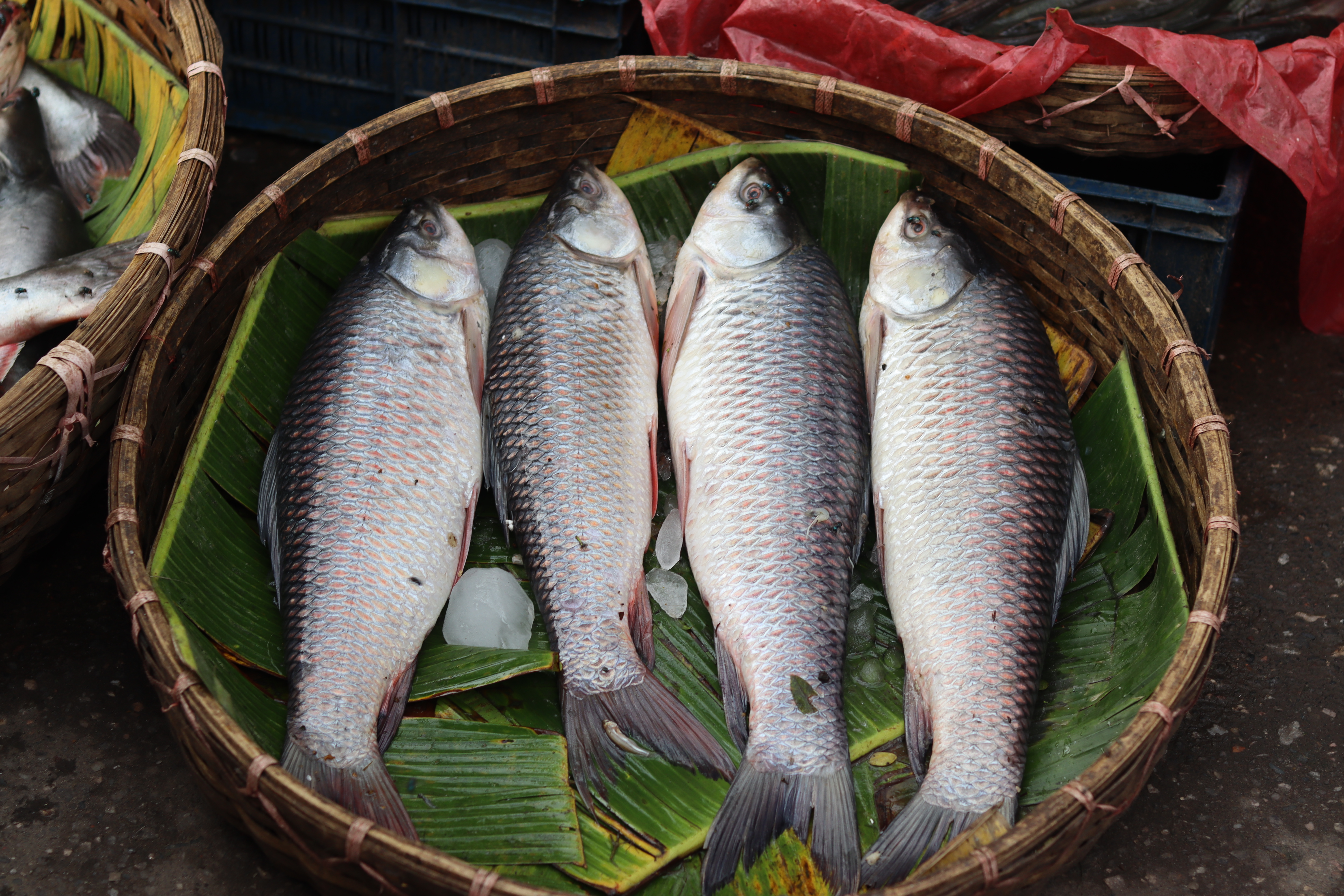
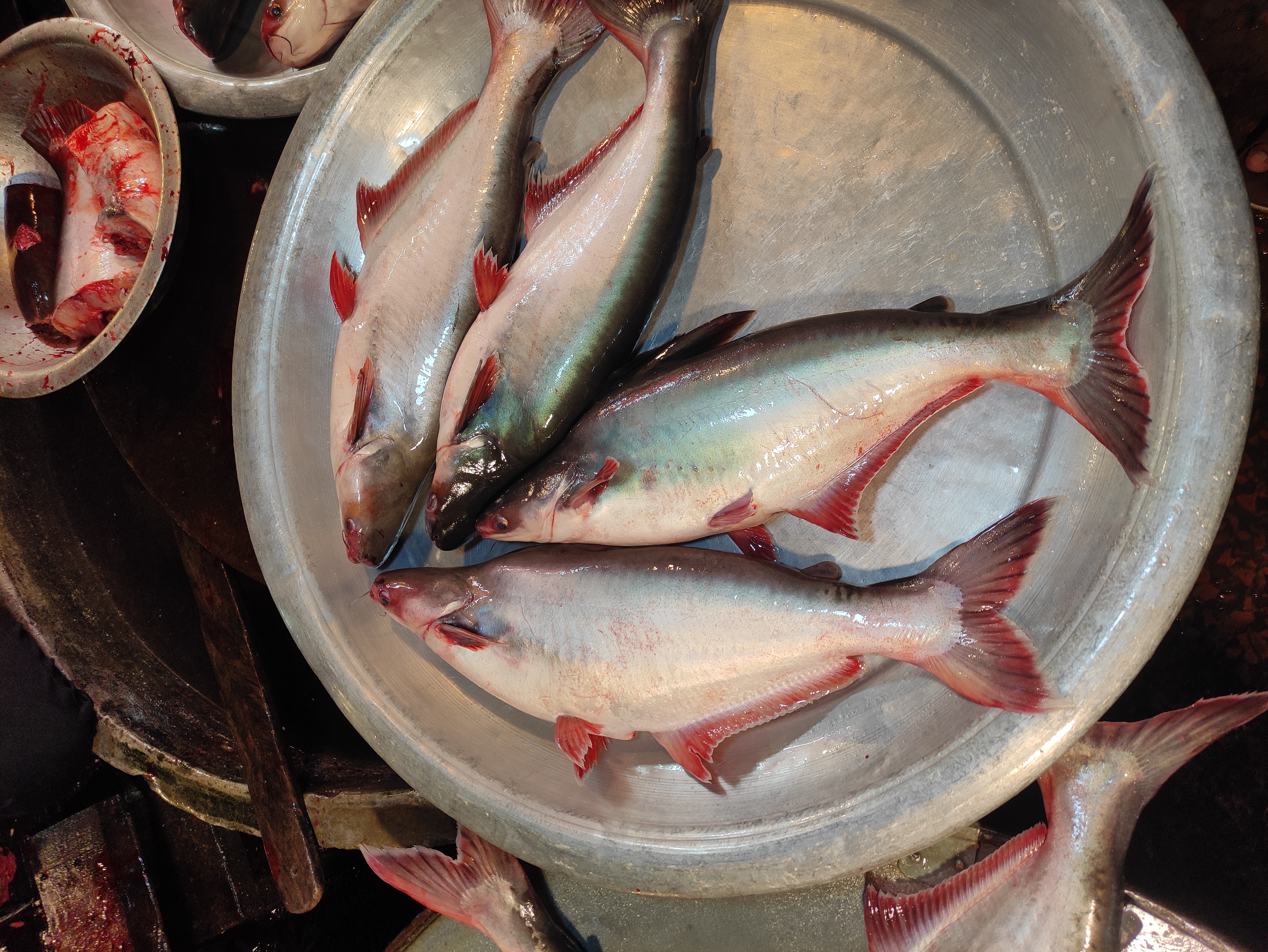
According to Jagonews24, rui and katla sold for Tk 340 to 360 a kg in those markets, shing for Tk 400 to 500 and pabda for Tk 500 to 600. Pangas, tilapia and silver carp cost Tk 220 to 260 a kg. Among small fish, kajoli, tengra, shrimp and bacha sold for Tk 700 to 1,200 a kg.
Shomoyer Alo put farmed shrimp at over Tk 1,000 a kg that day, local boal at Tk 1,000, tengra at Tk 600 to 900, kajoli at Tk 1,000, farmed koi and pabda at Tk 300 to 400 and pangas at Tk 200. Sellers told the paper that the rise in hilsa prices had unsettled the prices of other fish.
What sellers and shoppers said
Rubel Hasan, a trader at Hatirpool kitchen market, told Jagonews24 that less fish was arriving that year because fishermen were not finding fish at sea, and low supply kept prices high. Shafiuzzaman, a seller at Mohammadpur Town Hall market, said everyone wanted large hilsa but large fish were scarce, while small and medium hilsa filled the market. Another seller claimed that demand rising towards the end of the season had pushed prices up by Tk 200 to 300 a kg, depending on size.
Nurul Hasan, a college teacher buying fish at a temporary footpath market in Kazipara, said farmed fish stayed expensive even though fish feed had become cheaper, and that no fish was available under Tk 200; in his view the government could set prices for farmed fish. Construction worker Swapan Sarkar said a medium-sized hilsa cost him two days' earnings, so he was forced to buy jatka instead.
Hilsa and its catch
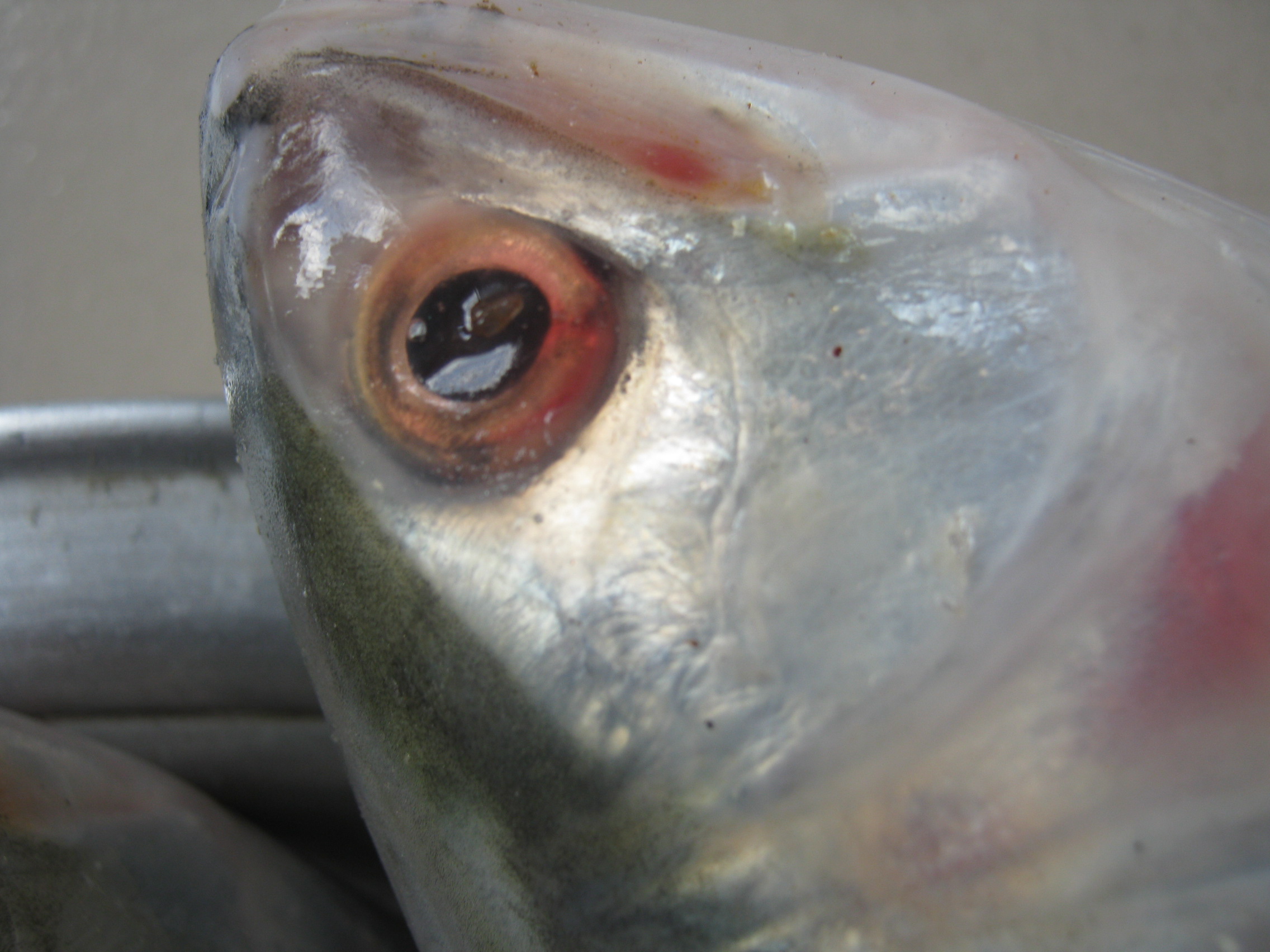
Hilsa (Tenualosa ilisha) is the national fish of Bangladesh. It lives in the sea and migrates up rivers to spawn during the monsoon. Department of Fisheries figures reported by The Daily Star in April 2025 put the country's hilsa production at 5.29 lakh tonnes in fiscal 2023-24, against 5.71 lakh tonnes in 2022-23. The report linked the fall to bad weather that kept fishermen from going out and to rivers on the fish's migration routes becoming shallower.
Photo: DelwarHossain / Wikimedia Commons (CC BY 4.0)
Sources: Jagonews24, Shomoyer Alo, The Daily Star, Wikipedia (Ilish)
Comments
(0)