
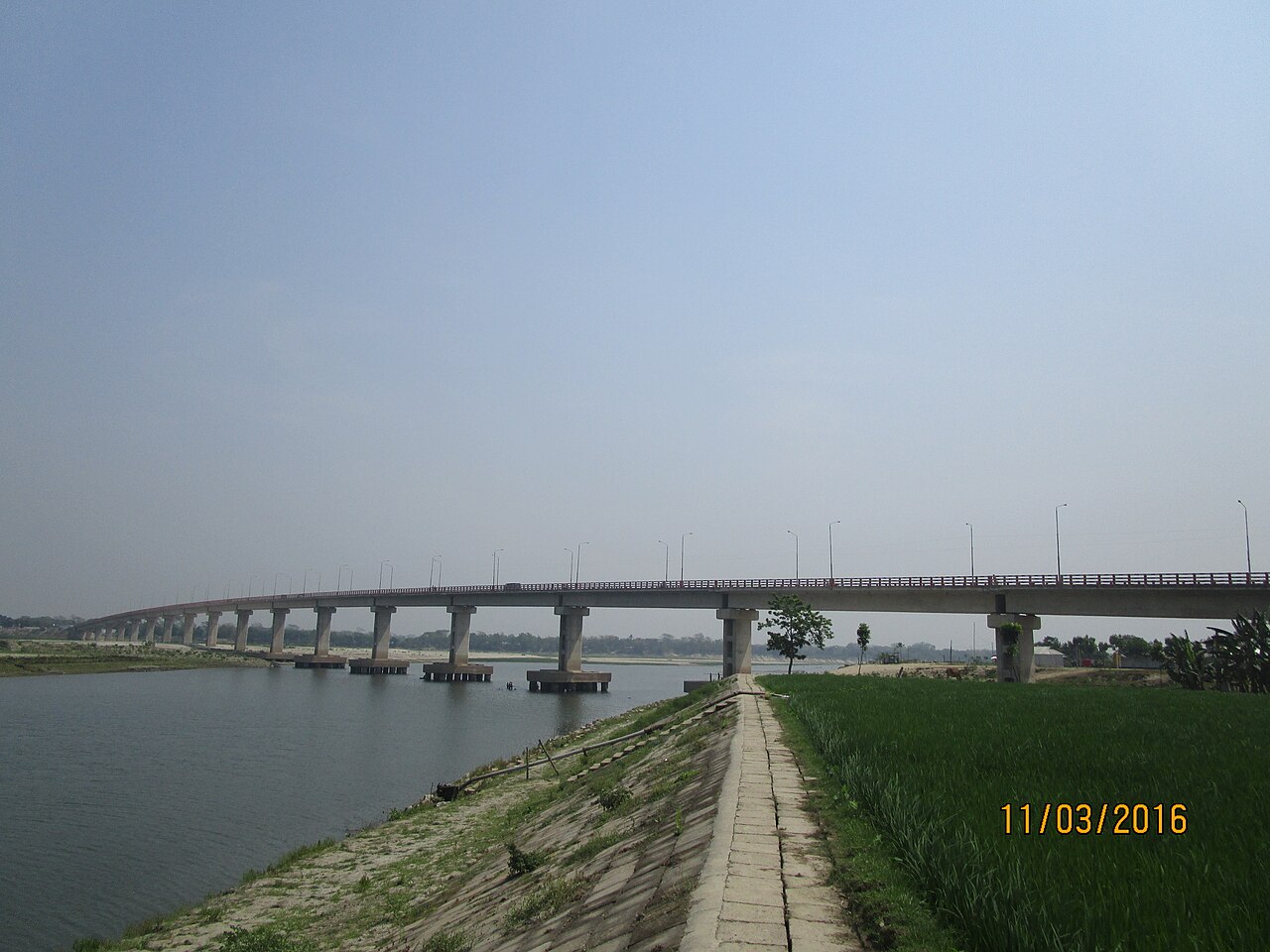
Datter Bazar lies in southern Gafargaon upazila of Mymensingh. Turn off the Gafargaon-Tok road and a narrow lane opens onto rows of vegetable stalls. What sets the market apart is that nearly all its vegetables are grown on the fertile chars of the Old Brahmaputra river, and most of the sellers are the farmers who grew them.
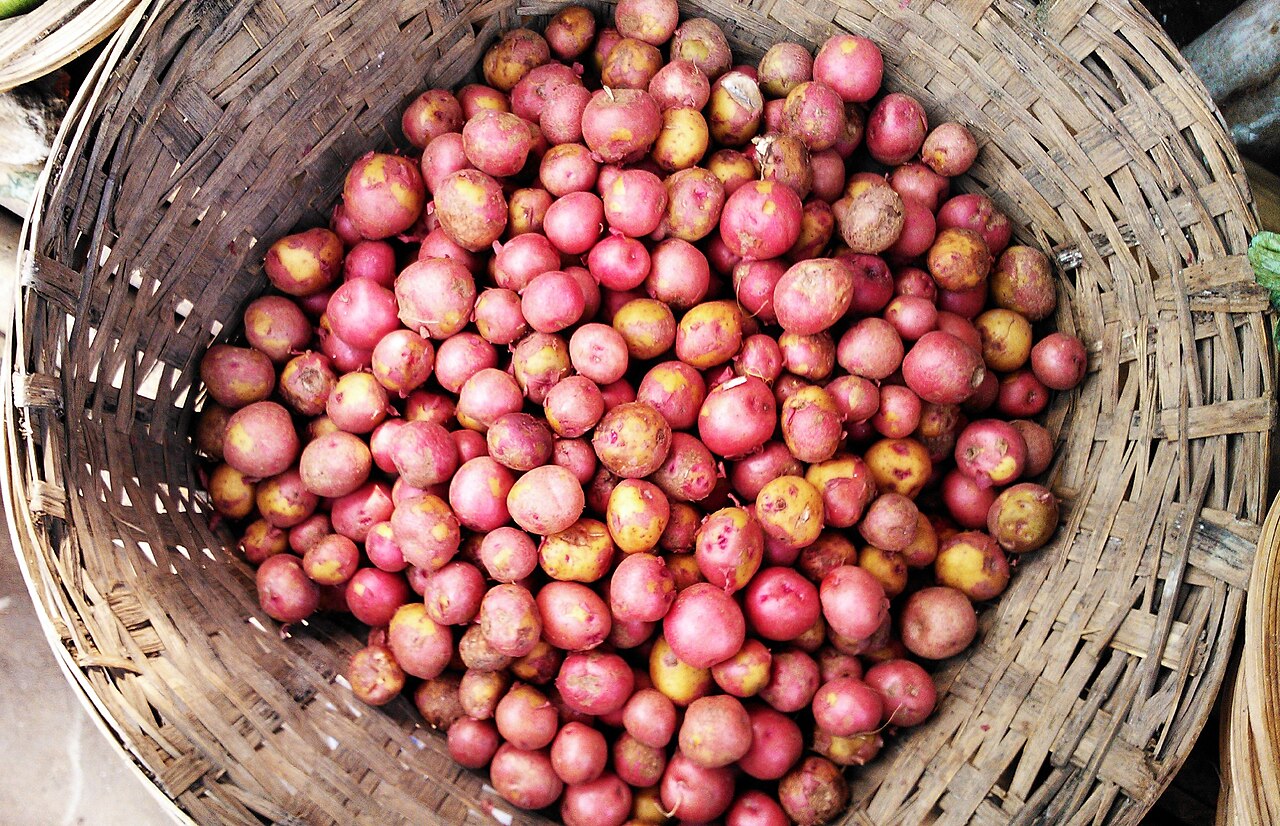
Farmers bring their own harvest straight to market, and each sits with only what he has grown. Because different farmers grow different crops, the market as a whole offers almost every seasonal vegetable: potato, brinjal, tomato, carrot, radish, pointed gourd, okra, cauliflower, cabbage, beans, cucumber, bottle gourd and pumpkin. With no middlemen in between, prices are lower, and buyers come from far away.
According to Prothom Alo, the market has more than 80 permanent and temporary vegetable stalls. The big Monday market trades about Tk 15 lakh worth of vegetables and the smaller Friday market about Tk 5 lakh, putting the vegetable trade alone at more than Tk 10 crore a year.
Hashem, 55, sat on a small cot with brinjal, beans and cauliflower, all from his own land. He has been coming to the market for 40 years, first with his father and now with his son. "My family lives on selling the crops from my own land here," he said.
Local residents are the main buyers, stocking up for their families on the two market days. Several told Prothom Alo they shop there regularly because they believe produce from the chars is less likely to carry chemicals or adulteration.
Photo: Shoreful islam / Wikimedia Commons (CC BY-SA 4.0)
Source: Prothom Alo

Comments
(0)