
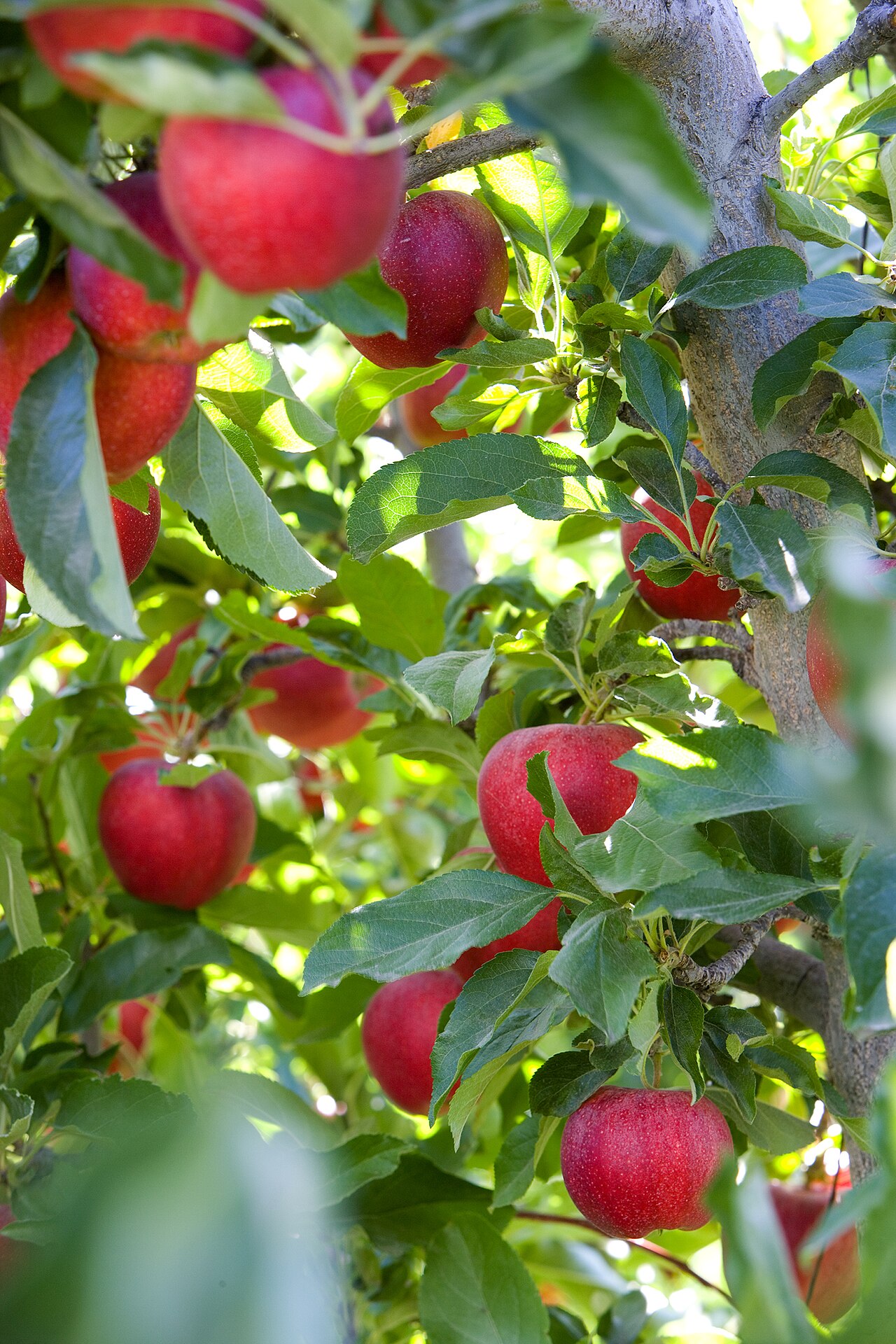
Cornell University is leading a new research centre, funded by the US Department of Agriculture, that aims to bring autonomous robots into American apple and cherry orchards for nearly every task of the season, from pollinating blossom to picking ripe fruit. Cornell's College of Agriculture and Life Sciences announced the project on 3 September 2026, backed by a four-year, $7.5 million grant from USDA's Specialty Crop Research Initiative.
The Center of Excellence for Orchard Robotics is co-led by Manoj Karkee, a professor in Cornell's Department of Biological and Environmental Engineering, and Matthew Whiting, a tree-fruit horticulture professor at Washington State University. Oregon State, Penn State, Michigan State, Carnegie Mellon and Stanford join them, with Israeli robotics maker Fresh Fruit Robotics and grower partner Washington Fruit and Produce Co. Cornell Cooperative Extension fruit specialist Mario Miranda Sazo will connect the engineering to growers.
Most orchard robotics research has focused on one job, usually harvesting. This project is broader by design: the team wants machines that handle pollination, fruit thinning, winter pruning, inter-row weeding and harvest, the labour-intensive tasks that make up most of an orchard's annual cost.
The robots rely on computer vision and neural networks trained on large numbers of orchard images to pick out fruit against leaves, branches and shifting light; Karkee said such tools have 'revolutionized' image and data processing in agriculture. Because thinning or picking without bruising takes more than good eyesight, the team is also developing soft robotic end effectors that handle fruit as a careful hand would. A further strand builds digital twins, three-dimensional models of real orchards in which robots and their AI can be trained and tested before going into a field, letting several university teams work from one shared simulation.
Prototypes of several components were tested in orchards in autumn 2025; the new funding is meant to move them toward machines growers can buy and run daily rather than one-off demonstrations. Labour cost is the driver: at Washington Fruit and Produce Co the share of production cost going to labour rose from about 45 percent to more than 60 percent over 15 years, and company representative Gilbert Plath said the rise is squeezing farmers. Apples contribute an estimated $21 billion a year to the US economy, and New York ranks second in production and first in the range of varieties grown.
Avi Kahani, chief executive of Fresh Fruit Robotics, said the hardest part of agricultural technology is not inventing a capability but turning it into a dependable product growers can rely on season after season; pairing engineering schools with a commercial robotics firm and a working orchard from the outset is meant to close that gap faster. The grant runs four years, so the centre's first full field seasons are still ahead.
Photo: Scott Bauer, USDA NRCS / Wikimedia Commons (Public domain)
Source: Global Agriculture
Comments
(0)