
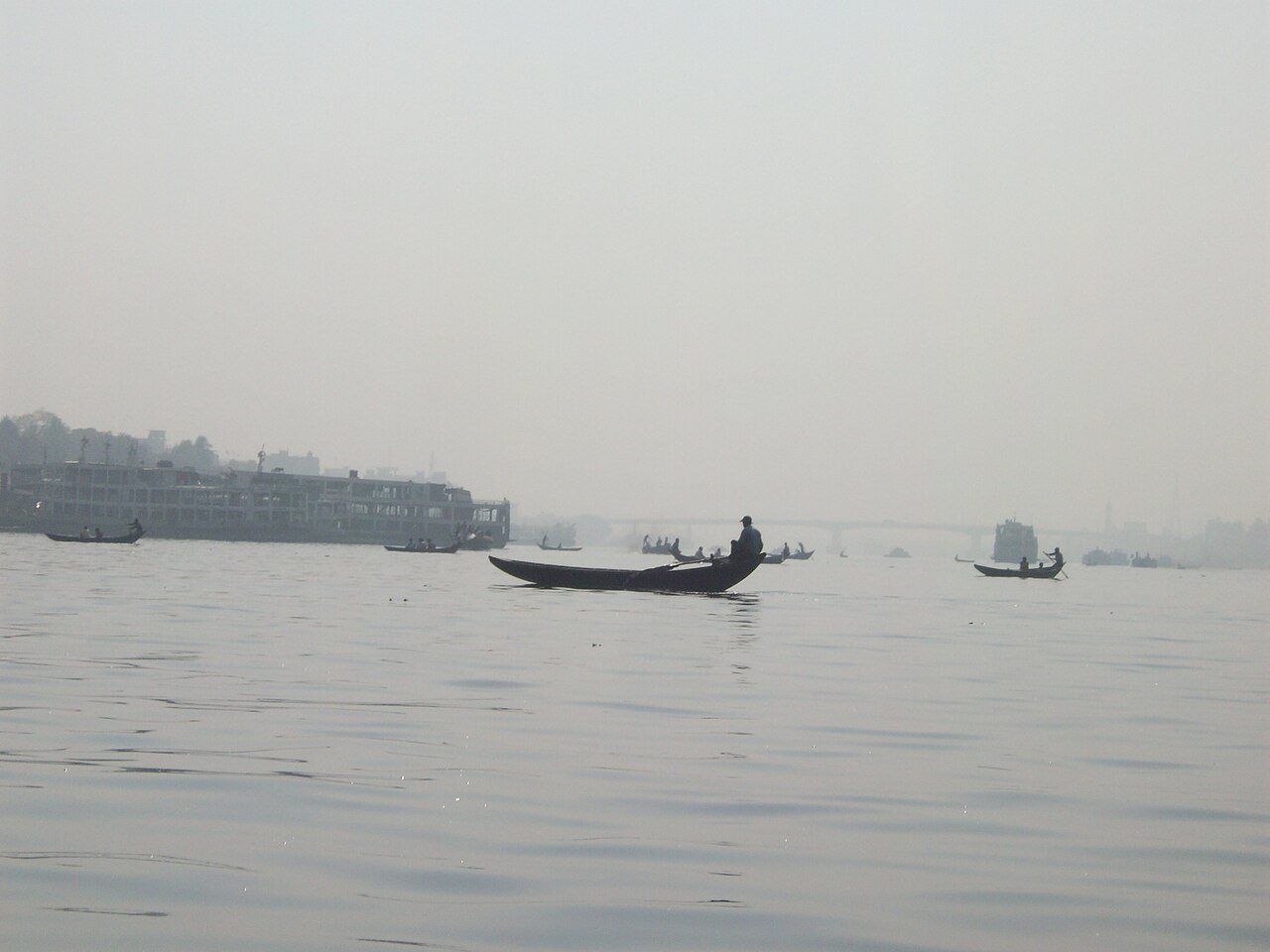
Dhaka is wrapped on every side by the Buriganga, the Turag, the Shitalakshya and the Balu. In a column in Prothom Alo, Mohiuddin Ahmad writes that the neglect of the rivers on which the city grew comes not from anger or hatred but from forgetting. The views are the writer's own.
In his telling, rice, jute, vegetables and fish once reached Dhaka by boat from distant villages; the river was road, market and livelihood. Today the Buriganga's water is black, the Turag bears the marks of pollution, the Balu is hard to recognise in many places, and the Shitalakshya struggles under many pressures.
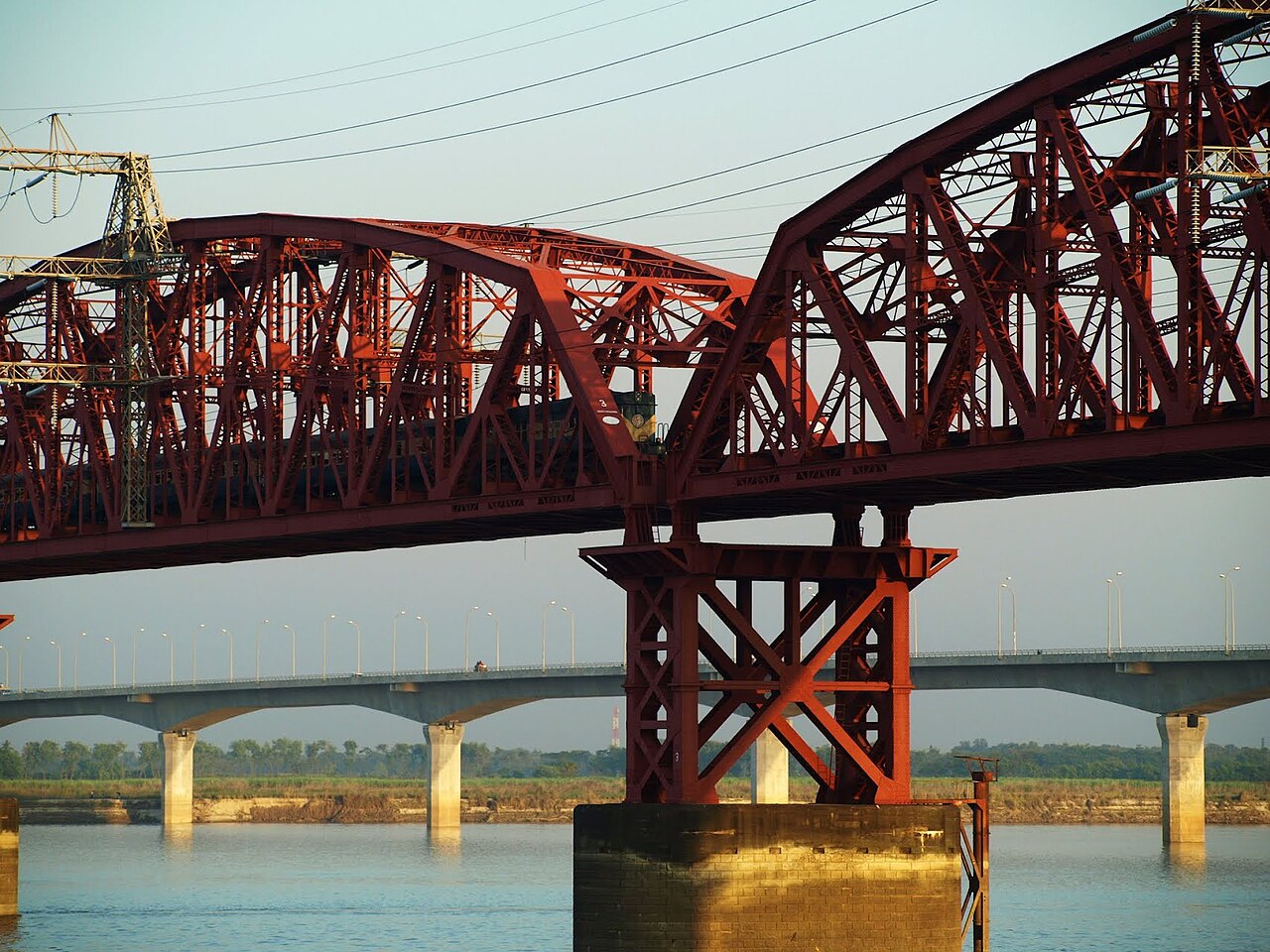
The damage, he argues, did not happen in a day: some dumped factory waste, some seized the banks, some filled the channels with rubbish, and those responsible looked away. Crores are spent on roads, bridges and projects in the name of development, while the rivers drop out of the conversation. A caption published with the column also notes bridges built narrower than the Noleya river in Rangpur and Gaibandha.
He points out that a shrinking river means more waterlogging, a polluted one more disease, an encroached one a broken environmental balance, and a lost river a hotter city. The rivers around Dhaka once held the excess water; with many rivers and canals now filled in, the streets flood after only a little rain.
Dhaka's future, in his view, is tied to the future of its rivers: if the rivers live, the city lives. Lose them, and the city loses not just a few waterways but a large part of its history and memory. Bengali literature, songs and folk tales have always given rivers a special place, he reminds readers; poets have called the river a mother, a beloved and a symbol of life.
Photo: David Brewer / Wikimedia Commons (CC BY-SA 2.0)
Source: Prothom Alo

Comments
(0)