
The cocoa market has swung from deficit to a small surplus, but the industry's leaders warned at the International Cocoa Conference in Singapore that the bigger problems on cocoa farms have not gone away, FoodNavigator reported. Held by the Cocoa Association of Asia, the conference heard senior executives, under Chatham House rules, list climate risk, disease, low farm productivity and too little investment in science as lasting threats to supply.
The International Cocoa Organization (ICCO) estimates that world production rose 8.5% in 2024/25 to 4.733 million tonnes, while grindings, the processing of beans, fell 3.3% to 4.649 million tonnes. That left a surplus of 37,000 tonnes and lifted end-of-season stocks by almost 3% to 1.309 million tonnes. Exports of beans and semi-finished products fell 2.8% to 2.09 million tonnes, in bean terms, from January to March 2026, as high prices weighed on demand and some manufacturers looked for alternatives.
Weather is a growing risk. The World Meteorological Organization said in September that El Niño was established and likely to become a very strong event, with a near-100% chance of lasting through February 2027, raising the risk of drought, floods and extreme heat.
In West Africa, cocoa swollen shoot virus disease remains a major concern. Côte d'Ivoire and Ghana, which grow nearly 60% of the world's cocoa beans according to the Food and Agriculture Organization (FAO), adopted a five-year roadmap in April 2026 covering farm rehabilitation, disease mapping, surveillance, farmer engagement and research into resistant varieties. The Ghana Cocoa Board said in June that 25,000 hectares of affected farms in the Western North and Eastern regions had been earmarked for rehabilitation.
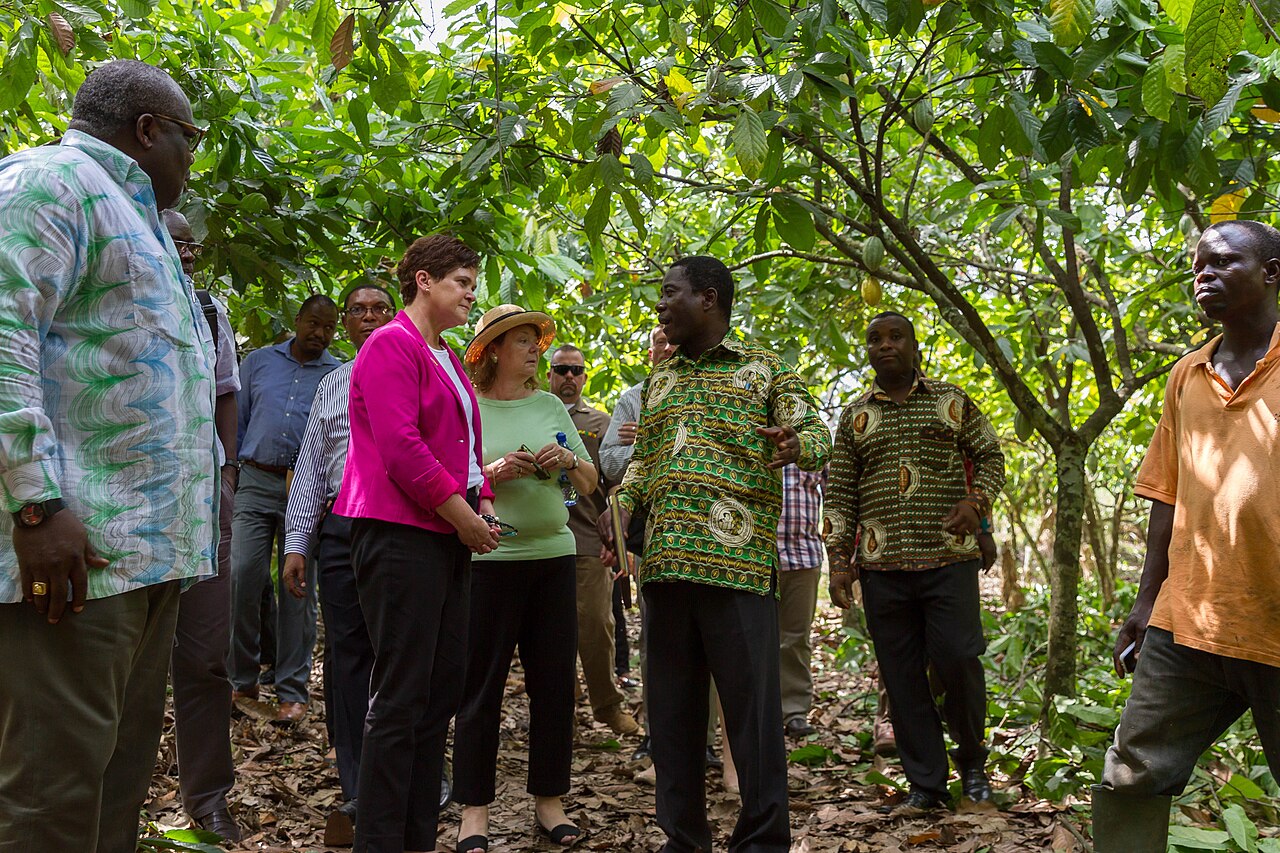
There are signs of what works on the ground. In Côte d'Ivoire, FAO has helped farmers grow cocoa with shade and fruit trees; in one case a farmer's yield rose from 120-150kg a hectare to more than 250kg after adopting the practice along with pruning, drainage and better harvesting. FAO's PROMIRE project supports more than 3,000 smallholders there with such agroforestry models.
The report's point is that higher prices alone will not rebuild supply: without finance, labour and technical help, farmers may not rehabilitate old or diseased farms. One panellist called for short-term measures over the next 10 to 24 months, kept separate from longer-term work, while the market stays exposed to weather, prices and demand.
Reporting by Audrey Yow for FoodNavigator.
Photo: USDA / Wikimedia Commons (public domain)
Source: FoodNavigator

Comments
(0)