
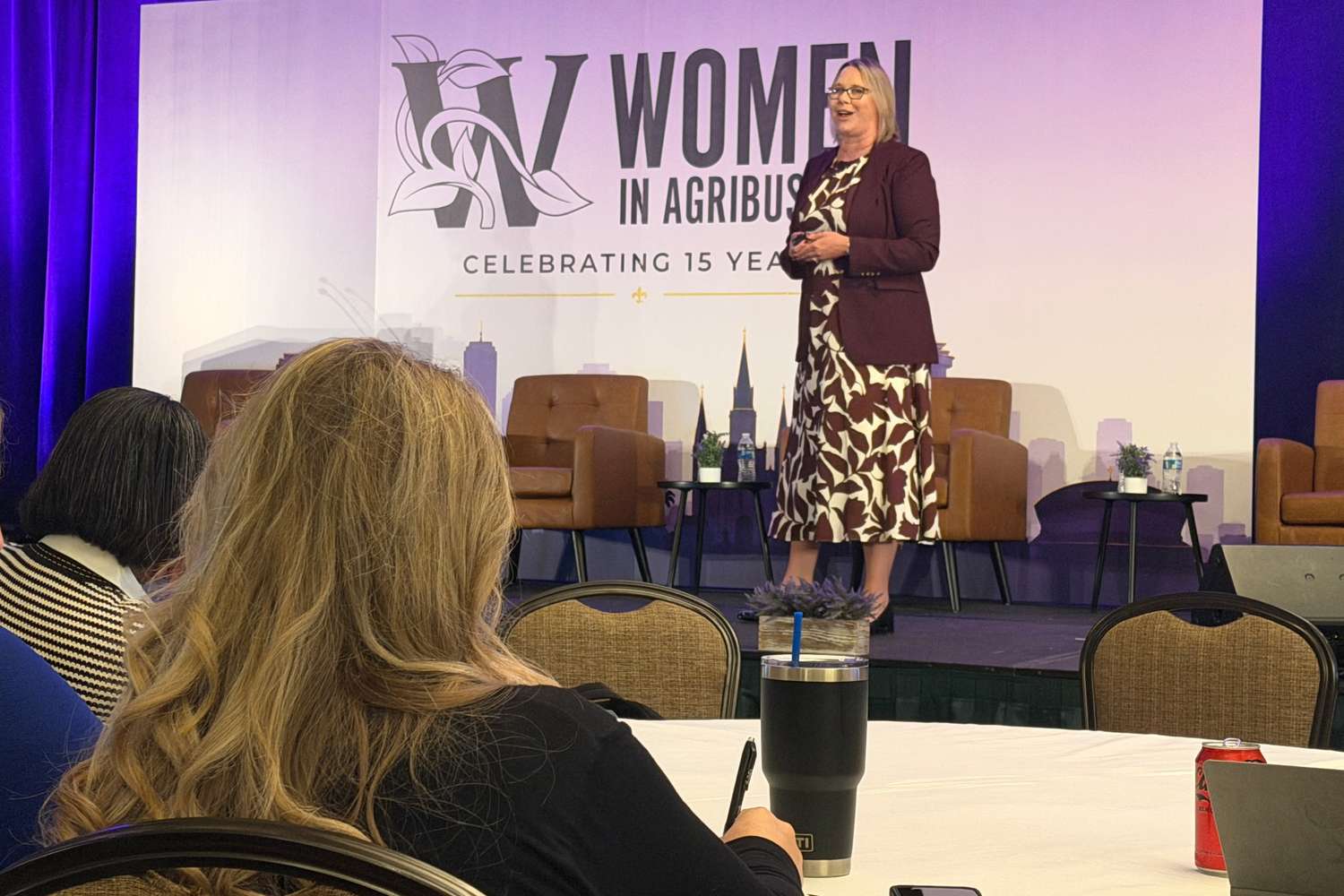
Margins are tight and farm income is down, but the farm economy is cyclical and there are grounds for hope, Jacqui Fatka, CoBank's lead economist for farm supply and biofuels, told more than 700 people at the 15th Women in Agribusiness Summit in New Orleans, Successful Farming reports.
The first force is compressed margins. Since the 2018 farm bill, Fatka said citing USDA data, production expenses are up 44%, farm debt 50% and farm interest rates 63%. Net farm income and net cash farm income are forecast to fall 5.5% and 2.5% this year, though both remain above the 20-year inflation-adjusted average. With fertiliser and fuel costly, "we're still not at break-even levels for most of our crops," she said, and government payments could reach a third of net farm income in 2026.
The second is asset values. Land values have risen 46% since 2018, and farmland is the collateral behind operating loans. "The asset values we're seeing today - particularly with farmland - are preventing a 1980s repeat," Fatka said; a repeat would need a 20% fall in land and machinery values, which CoBank does not expect.
Third is protein demand. One in eight American adults now takes a GLP-1 weight-loss drug, possibly one in four by 2030, and although users spend less on food overall they are willing to pay more for meat, which is keeping beef demand firm despite high prices.
Fourth are demographic shifts. Populations in parts of Europe and Asia are expected to decline, and China aims to cut soybean imports from the US by 25% by 2030. Fatka said Canada and Mexico are vital markets and that Latin America, Africa, India and Southeast Asia show growth potential.
Fifth are biofuels. Fatka said blending demand could rise 30% this year and 70% by 2030 as countries diversify fuel supplies. She is cautious on sustainable aviation fuel in the next two or three years but more optimistic on shipping: the US produced 16 billion gallons of maritime fuel in 2024, and capturing 5% of that market could mean 4-5 billion gallons of new ethanol demand. The report was written by Lisa Foust Prater.
Source: Successful Farming

Comments
(0)