
Because of dependence on income and loans, 30 to 35 per cent of fishing families use illegal or banned nets. But 93 per cent of them do not know that these nets do widespread damage to river and sea biodiversity and reduce fish production and breeding.
To survive, they are using illegal and banned current nets, mosquito nets, plastic nets, bindi, thela and khuta nets. Along with the fish they need, fry of many species are being killed indiscriminately, and algae, tiny aquatic creatures used as fish food and many other species are being destroyed.
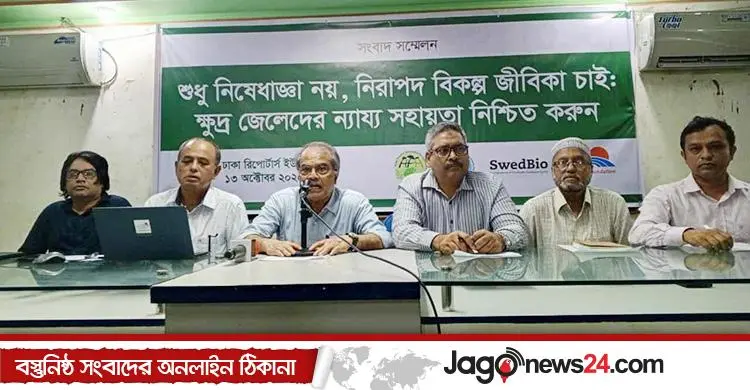
These findings come from research by COAST Foundation, presented at a press conference at the Dhaka Reporters Unity on Monday (13 October). COAST Foundation executive director Rezaul Karim Chowdhury, assistant director Jahangir Alam and others were present.
The organisation analysed the real situation of small-scale fishers in Bhola, the limits of the administrative process and the links with national and international policy, based on data collected in 2024 and 2025 and local investigation.
Support falls short in Bhola
COAST Foundation says that although the fishing ban in the breeding season is being enforced, the framework for resolving small fishers' livelihood crisis is still weak, and small fishing communities remain outside sustainable development and a fair economy. It called for fair livelihood support and alternative income opportunities during fishing bans.
Describing conditions among fishing families in the study area, they said Bhola district has about 1 lakh 70 thousand registered fishermen, of whom about 81,000 fishing families still receive no government support. Union-level data show that at least 20,000 more genuine small fishing families than the official count remain outside government registration. In Bhola Sadar upazila alone there are about 25,000 genuine small fishing families, of which only 55 per cent hold fisher cards.
In practice, only 44 per cent of these card holders receive government support during the ban. Across the whole district, the rate at which Bhola's small fishing families receive support is below 24 per cent, which shows the limits of the reach and delivery of the government's social protection programme. COAST's 2025 research also found that for about 83 per cent of fishing families, the rice allotted as government support arrived one to two months after the ban ended.
A silent disaster during the ban
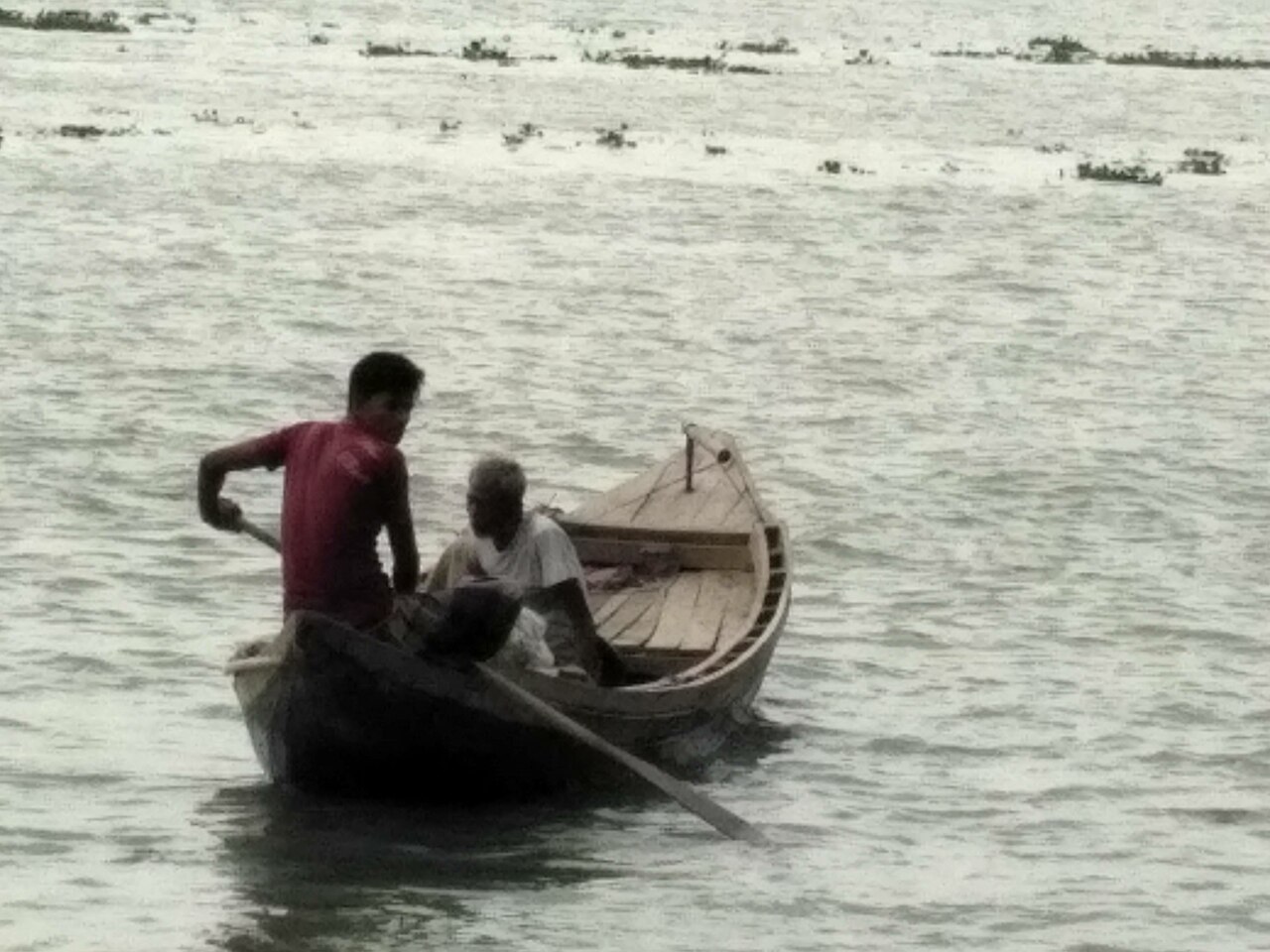
Bhola's small fishers face a silent disaster during the ban. In the study, 87 per cent of families said their income fell sharply. A fisherman's average monthly income of Tk 10,000 to 15,000 drops to almost zero. This financial uncertainty leads to family conflict, and violence against women rises by 30 to 40 per cent.
According to COAST's survey, 87 per cent of families have never received any training or income-generating (IGA) inputs, and only 5 per cent have been able to take up another occupation. As a result families fall into the debt trap of dadon moneylenders and borrow from them again to repay. This dependence on debt pushes them the next season towards illegal nets or advance fish-sale contracts, the biggest obstacle to fishers' self-reliance. The study found 65 per cent of fishing families are forced to borrow again from moneylenders to repay loans, strengthening the debt cycle.
Nine demands
COAST Foundation put forward nine demands for the sustainable development of fishers:
- Publish lists at union level, ensuring genuine fishers are included.
- Give each fishing family at least Tk 8,000 in cash and 40 kg of rice a month during the ban.
- Provide support 15 days before the ban starts, and introduce digital tracking to prevent delays.
- Create proper opportunities for small fishers to get loans or credit easily from institutions.
- Give training and inputs, especially to women and young members, in livestock rearing, handicrafts, small business and fish processing.
- Set up incentives and support funds to reduce loan dependence, introducing low-interest co-operative loans and grant schemes in place of moneylender credit.
- Ensure strict enforcement of the law to stop the use of banned nets, strengthen co-ordinated local action and step up administrative monitoring of factories to stop banned nets being made.
- Include small fishers in policy discussions on the blue economy, the WTO and COP30, and set up a "Just Transition Fund" for them.
- Bring the Manda community (small fishers who live on boats) under the fisher card scheme without delay.
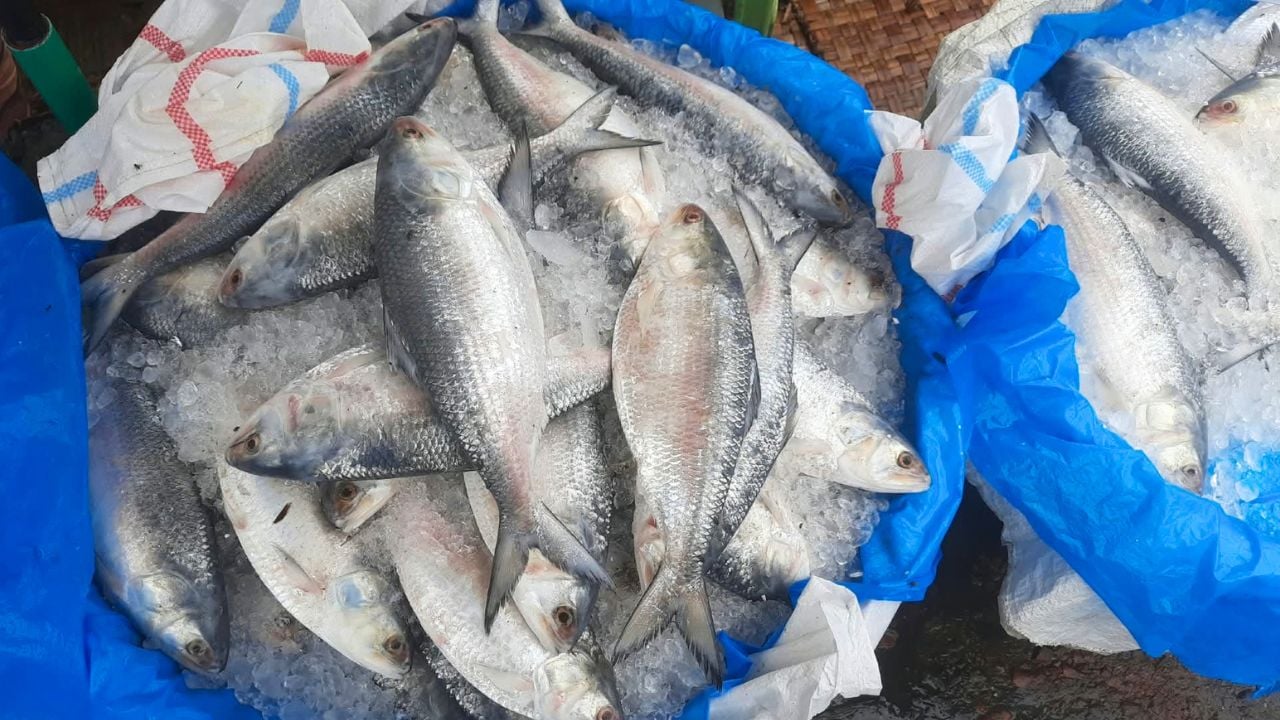
The government has imposed a complete 22-day ban on catching, selling, transporting and storing hilsa in rivers during the mother hilsa's breeding season to increase fish production. The ban began on 3 October and runs until 25 October.
Source: Jagonews24. First published in Bengali on The Agro News.
Comments
(0)