
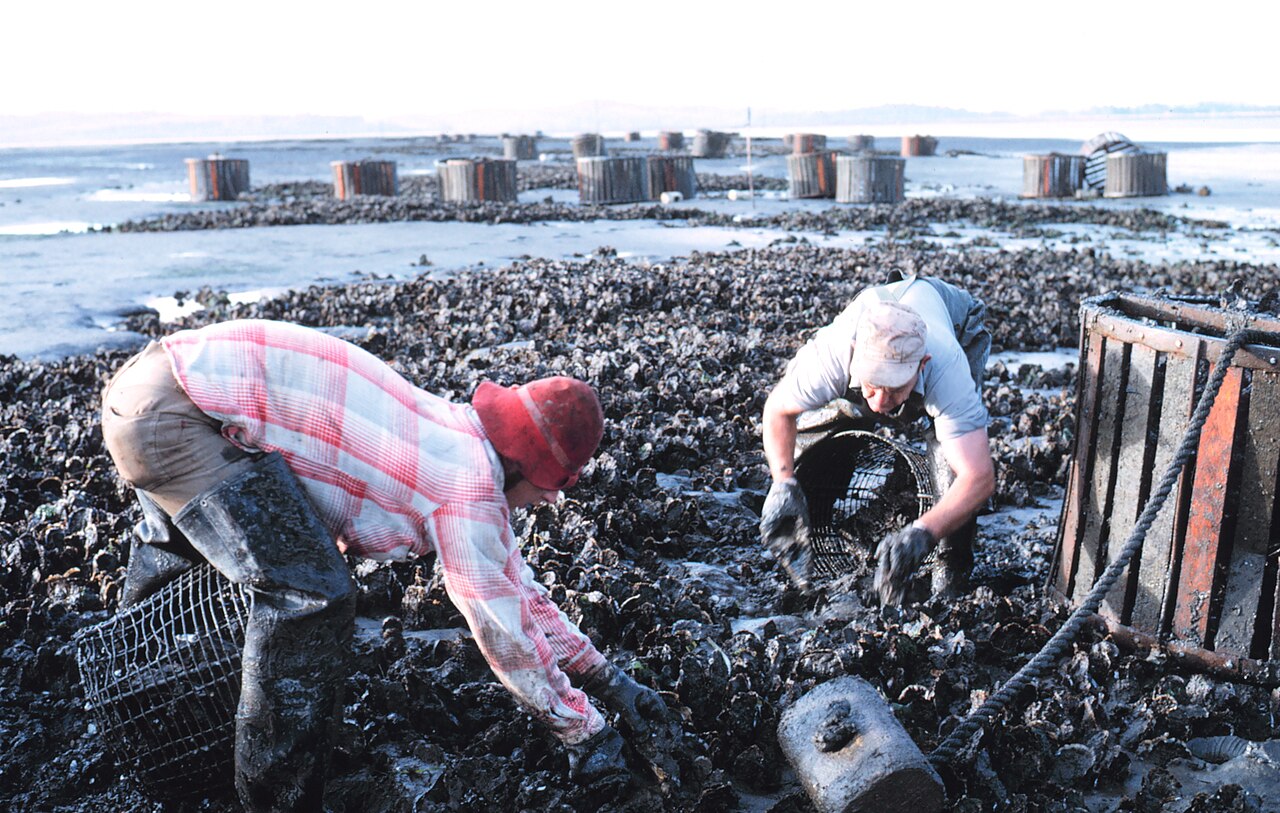
The Madras Regional Station of the ICAR-Central Marine Fisheries Research Institute (CMFRI), Kochi, has produced one lakh (100,000) cultchless spat of the Indian backwater oyster (Crassostrea madrasensis) in a hatchery and transferred them to the Mangrove Cell in Maharashtra, the Indian Council of Agricultural Research reports.
The spat were produced at the Kovalam Field Laboratory near Chennai under the PMMSY-Blue Growth Project, showing that the hatchery technology can be transferred beyond Tamil Nadu.
The work tackles a key problem for bivalve farmers: unreliable natural seed. Erratic spatfall, climate variability, environmental change and human pressures make natural recruitment, and therefore oyster production along the east coast, fluctuate. To address this, the station set up the first research-scale bivalve hatchery on India's east coast at Kovalam, aiming to supply quality seed year-round.
The facility has also produced attached spat: about 1.5 lakh pediveliger larvae settled on cleaned shell substrates, and these will be used in farming trials in Pulicat Lagoon to develop oyster farming technology along the Tamil Nadu coast.
CMFRI said the twin results, cultchless spat for transfer and attached spat for farming trials, show the Kovalam facility's potential as a source of quality oyster seed and a platform for hatchery-based oyster aquaculture on the east coast.
Photo: Bob Williams, NOAA / Wikimedia Commons (public domain)
Source: ICAR
Comments
(0)