
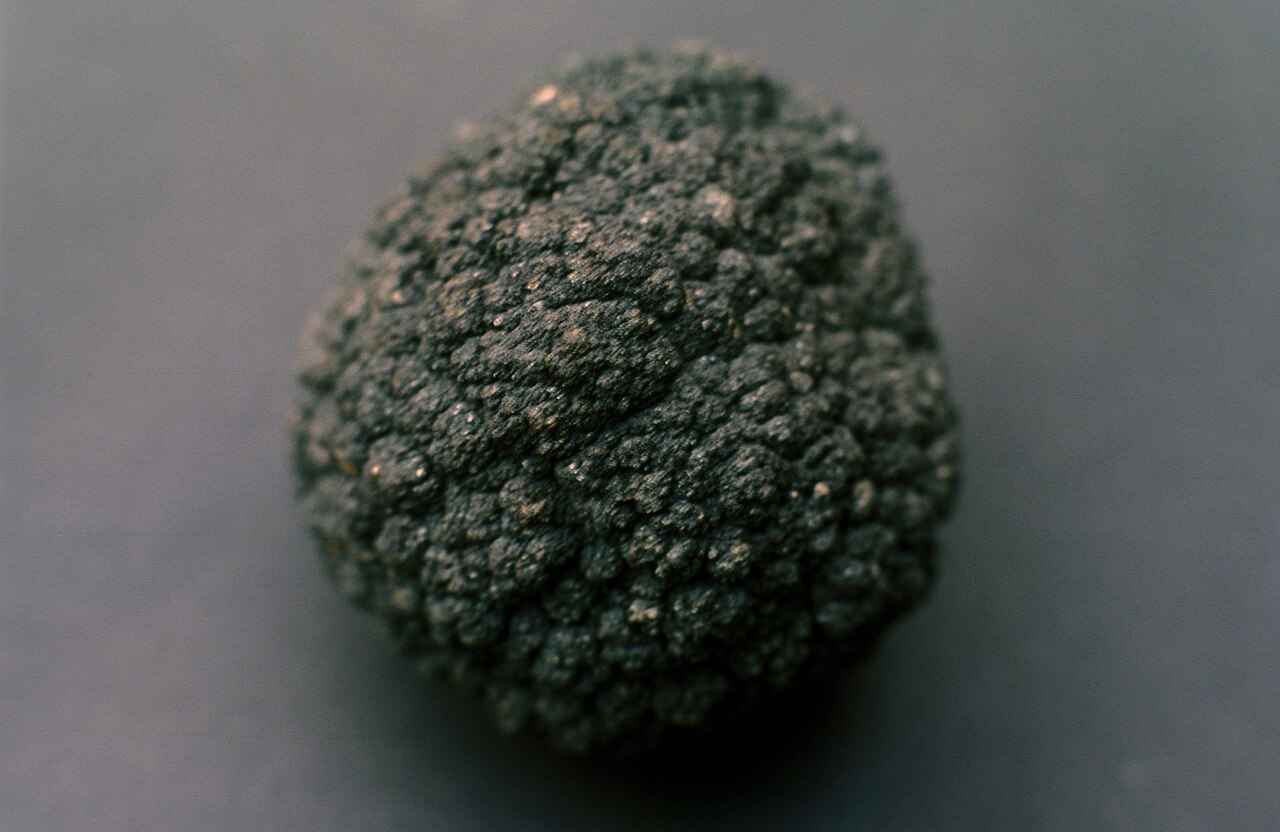
Scientists have found 11,742 distinct viruses in seabed sediment of the Clarion-Clipperton Fracture Zone in the Pacific Ocean, and about 99 percent of them were unknown to science. The study of this deep-sea region, rich in polymetallic nodules, was published in Nature Communications.
The research, funded by several Chinese scientific bodies, involved Baowen Hou and Lilang Zhang of Chongqing University and Dong Sun of China's Second Institute of Oceanography. They sequenced DNA and RNA from deep-sea sediment samples collected in 2023 and 2024 to map the region's virome.
Their aim was to build a baseline of the area's microbial ecosystem against which the environmental impact of future activity there could be judged.
The viruses mainly infect single-celled microbes such as bacteria and archaea, which are directly involved in the cycling of carbon, nitrogen, phosphorus, sulphur and metals. According to the scientists, the viruses regulate their hosts' metabolism and help them cope with metal stress.
The researchers warn that if mining of the seabed begins, the nodule fields and this sensitive ecosystem could face long-term threats, and say much more detailed study of the impact on deep-sea viruses and microbes is needed before commercial extraction.
Prothom Alo's report, by Zahid Hossain Khan, drew on the science site ScienceAlert.
Photo: Koelle / Wikimedia Commons (CC BY-SA 3.0)
Source: Prothom Alo

Comments
(0)