
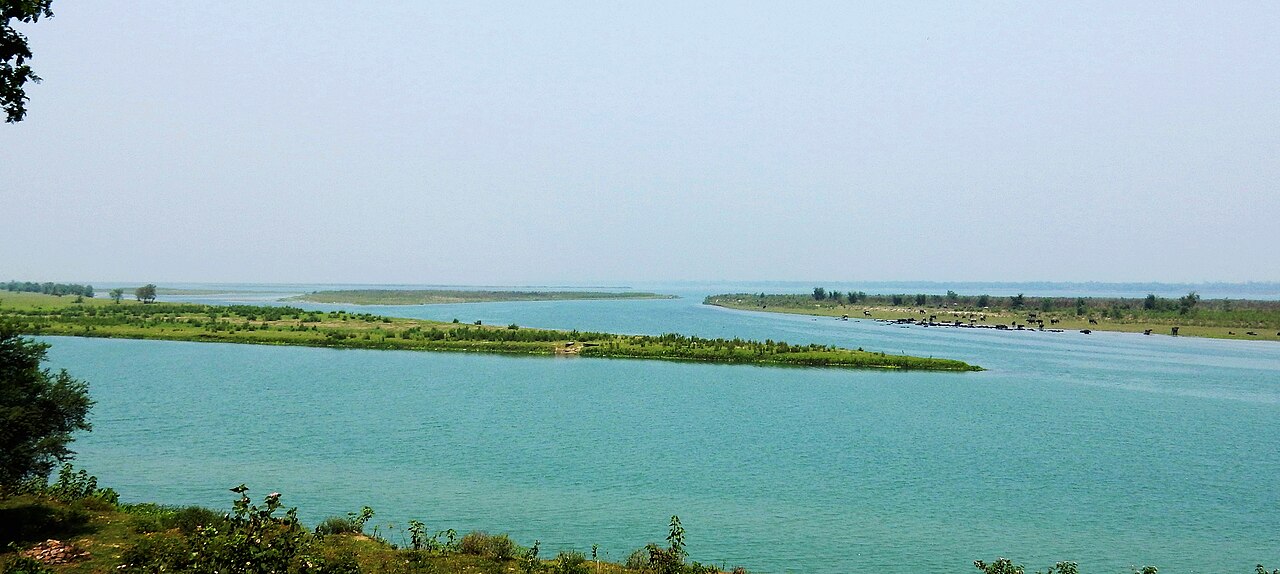
The ICAR-Central Inland Fisheries Research Institute (CIFRI), Barrackpore, released 30,000 fingerlings of Indian major carps into the Ganga at Farakka in West Bengal in a fish ranching programme held on 28 September with the Farakka Barrage Authority of the Ministry of Jal Shakti, NTPC Farakka and the Central Industrial Security Force (CISF) at Farakka.
The programme aimed to strengthen indigenous fish diversity, restore aquatic biodiversity and promote sustainable fisheries in the river, in line with the National Mission for Clean Ganga. More than 20 fishermen who depend on the Ganga took part, which the institute said reflects the principle that restoring river biodiversity must be linked to the livelihoods and knowledge of fishing communities.
CIFRI Director Dr Pradip Dey said conserving the Ganga's biodiversity must move beyond isolated interventions to a sustained, science-based and participatory movement. The river is a living ecological system whose health is tied to its fish and to the livelihoods of millions of people, he said, and fish ranching backed by scientific monitoring, habitat conservation and community participation can help restore native fish populations.
Delegates visited the institute's hatchery, where the work of its FRP carp hatchery, including fish seed production and the management of fingerlings for ranching, was explained. Speakers stressed scientific breeding, seed production and stocking of indigenous Gangetic species to sustain river fisheries.
Representatives of the barrage authority, NTPC and CISF said they would support similar initiatives under the area's biodiversity conservation plan.
Photo: Debmalyap / Wikimedia Commons (CC BY-SA 4.0)
Source: ICAR
Comments
(0)