
China's Ministry of Agriculture and Rural Affairs (MARA) is moving on two fronts to bring online pesticide sales under the same controls as shop-counter trade. On 16 September its Department of Crop Management issued notice No. 51 of 2026 opening public comment on a draft Internet Pesticide Negative List (2026 Edition), a catalogue of products that would be prohibited from sale through internet and e-commerce channels nationwide. Comments close on 30 September.
The notice is addressed to provincial agriculture authorities, the China Pesticide Industry Association and the China Pesticide Development and Application Association. The products themselves are set out in an attached list rather than in the notice, and a narrow exception keeps public-hygiene pesticides such as household insect controls sellable online.
Four days later, on 20 September, MARA convened representatives of 17 major e-commerce and short-video platforms, including JD.com, Taobao, Pinduoduo, Douyin and Kuaishou, to deploy a nationwide campaign against non-compliant online sales of pesticides and veterinary drugs. The campaign, coordinated across seven government departments, began in July 2026 and runs to March 2027, covering the chain from production and offline sale through online marketing to end use.
The ministry listed the problems it wants fixed: inadequate verification of seller credentials, misleading or non-compliant listings, sellers finding workarounds to restrictions on controlled products, and weak oversight of prescription veterinary drugs sold online. Platforms must tighten credential checks and listing review, watch high-risk categories, remove illegal listings and close offending shops promptly, and report major violations while helping trace them back to their offline source. No penalties for platforms that fall short were disclosed.
The negative list is the first product-level rulebook to follow a special rectification campaign MARA launched in December 2025. Once finalised it would apply regardless of registration status: a product legally registered and sold through conventional retail could still be barred from online channels if it appears on the list, making it a sales-channel restriction layered over the existing registration rules.
Pesticide e-commerce has grown fast in China alongside rural online retail, reaching smallholders in regions with few physical agrochemical shops, and short-video platforms have become a significant channel for township and village distributors. That growth has raised concerns over counterfeit products, unclear provenance and sales of restricted or highly toxic products without a licensed dealer's oversight. Similar concerns have been raised in India, where CropLife India has pushed for tighter rules on digital pesticide sales.
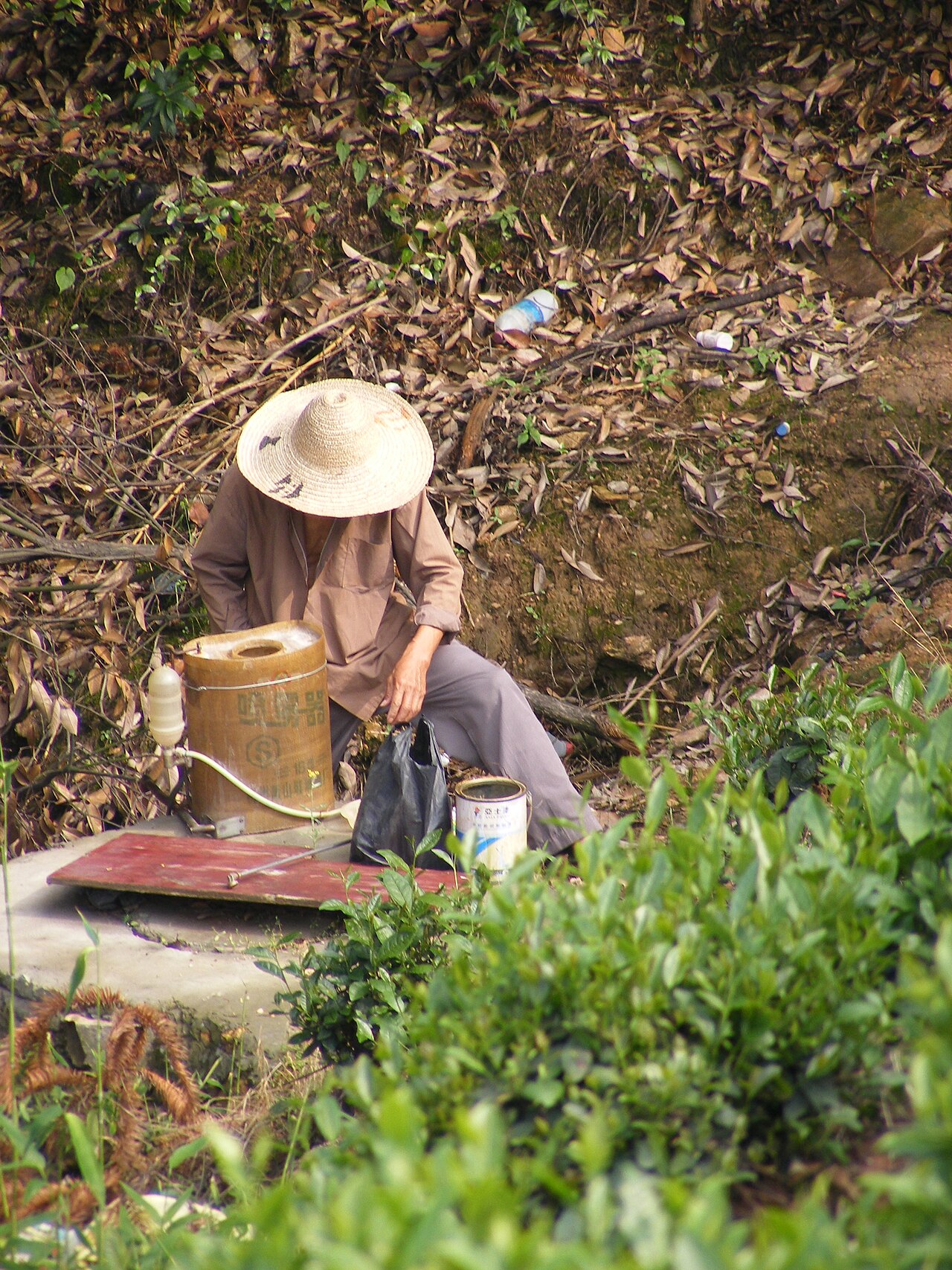
Photo: JalalV / Wikimedia Commons (Public domain)
Source: Global Agriculture


Comments
(0)