
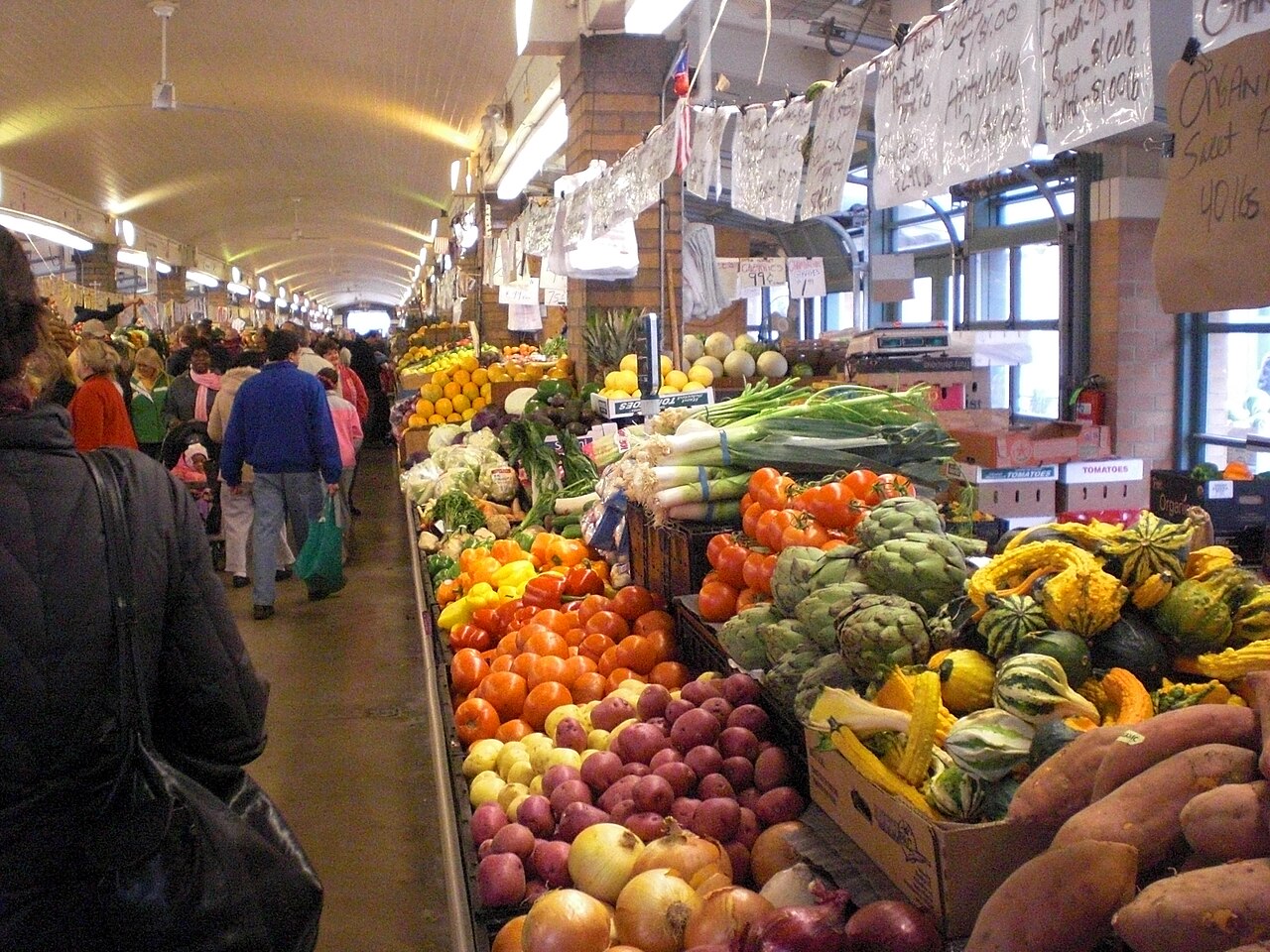
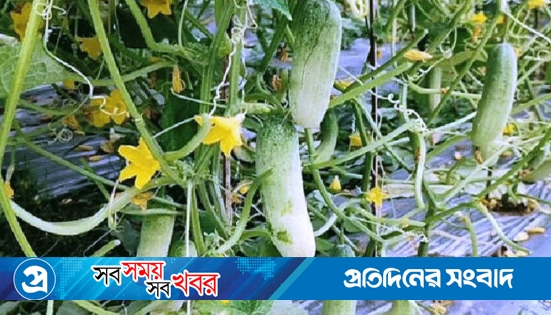
Through hard toil the country's farmers feed the nation with crops, fruit and vegetables. As they tend the maturing Aman, the main crop, farmers across greater Chattogram are busy growing many kinds of winter vegetables. Early winter vegetables have already reached the markets, and growers are pleased with the high prices. Cauliflower, cabbage, radish, flat beans, tomatoes, yardlong beans, okra, aubergine, ridge gourd, pointed gourd, teasel gourd, cucumber, snake gourd, carrots, khira, bottle gourd, sweet pumpkin, taro, spinach, kopi shak, drumstick, stem amaranth, green chillies, coriander leaves, broccoli and lettuce are now on sale in markets. Agriculturists and farmers say winter vegetables have arrived early while summer, monsoon and autumn vegetables are still plentiful.
The soils of the Chattogram region, spread across hills, hillocks, valleys, slopes, uneven and flat land, sandy loam and saline land, are more varied and fertile than those of other parts of the country, and many kinds of crops, fruit and vegetables are grown to suit the land. Altogether, an early winter vegetable revolution is under way across the region's hills and plains. In some places ripe vegetables are being harvested and taken to market; elsewhere farmers are watering, fertilising and weeding young crops, and in others seeds and seedlings are being planted. Farmers have no time to catch their breath.
Targets for the region
Agriculturist Md Monjurul Huda, additional director of the Department of Agricultural Extension (DAE) for the Chattogram region, told the Daily Inqilab on Friday that early winter vegetables are being grown on a large scale in the hope of good prices. In the region's five districts (Chattogram, Cox's Bazar, Feni, Noakhali and Lakshmipur), vegetables were grown on 28,000 hectares last year; this year winter vegetables are being grown on more than 30,000 hectares, with a target of more than 5.40 lakh tonnes. Planting will continue until November, he said, and interest in pesticide-free vegetables is growing.
Agriculturist Mohammad Nasim, deputy director of the DAE's hill region based in Rangamati, said winter vegetables are being grown on 9,664 hectares in the three hill districts (Rangamati, Bandarban and Khagrachhari), with a production target of 1.45 lakh tonnes. In all, greater Chattogram could produce seven lakh tonnes of vegetables on about 40,000 hectares, worth several hundred crore taka.
Despite various constraints, exports of Chattogram's pesticide-free organic fresh vegetables and fruit to the Middle East are growing, and there is also demand in various countries in Europe and America. Vegetable exports to the Middle East earn about Tk 30 crore a year. Mahbub Rana, president of the Chattogram Fresh Vegetables and Fruits Exporters Association, said the export market for fresh fruit and vegetables would expand further if freight charges and fees at Chattogram's Shah Amanat International Airport were cut and cargo flights increased.
According to the agriculture department, Bangladesh ranks third in the world in vegetable production. Chattogram's growth in vegetable output is 20 per cent, nearly three times the national rate. During the coronavirus pandemic farmers stood on their own feet without anyone's help, drawing on their skills and experience to grow fruit and vegetables. With normal weather and moist, fertile land, the agriculture department is hopeful of a bumper crop. Alongside vegetables, the mixed orchards of the hills and plains produce papaya, banana, pineapple, sapodilla, nuts, cashews, almonds, olives, lemons, BARI malta, oranges, custard apple, dragon fruit and strawberries all year round, and good prices have put smiles on growers' faces.
In many areas, however, a ring of middlemen and faria traders between farmer and buyer is pocketing profits at will, so both farmers and buyers lose out on fair prices. The Bengali month of Ashwin ends on Saturday and Kartik, the start of the Hemanta season, begins on Sunday. In the hills, farming men and women are preparing for Nabanna, the harvest festival, with the added joy of picking early winter vegetables alongside their jum crops. The newspaper's correspondents sent the following reports.
Hill districts
Md Sadat Ullah reports from Bandarban that farming in the forest district is enjoying wide success. Because crops can be grown there cheaply, quickly and profitably, Bandarban can be called a "factory" of early winter vegetables. Winter vegetables are grown widely on the chars and fertile silt along the Sangu and Matamuhuri rivers, and many kinds are grown in Thanchi, Ruma, Alikadam, Lama and Bandarban Sadar, on slopes and uneven land and mixed in with jum cultivation on the hills. Enamul Haque, a vegetable seller at Bandarban bazar, said prices are a little high because winter vegetables have not yet reached the market in quantity. The Bandarban agriculture department said various field programmes are under way to revolutionise vegetable farming and agriculture in the district. Deputy Commissioner Yasmin Parvin Tibriji told Inqilab the district administration is giving the agriculture department the support it needs, so that Bandarban can become a modern farming district.
Md Ibrahim Sheikh reports from Khagrachhari that farmers in all nine upazilas of the district are busy growing early winter vegetables, and alongside careful tending of their fields, hill villages are preparing for the Hemanta Nabanna festival. They grow early vegetables in hope of higher profits. After meeting local demand, the vegetables will also supply buyers in Chattogram, Cumilla and Dhaka, and pesticide-free vegetables from the hills are going to the Middle East too. In Bhaibonchhara, Panchhari, Tabalchhari, Taidong, Molla Bazar, Belchhari, Suknachhari, Maischhari and other villages of Khagrachhari Sadar upazila, growers were working hard with day labourers, tending their fields and controlling pests and diseases in hope of a bigger yield. Ananta Tripura, a jum farmer from Gomti in Matiranga, said the jum yield is better this year than in the past few years, with about 40 kinds of crops and vegetables grown, including turmeric, marfa, ginger, chillies, taro, sweet pumpkin, sesame, maize, flat beans and yardlong beans. Agriculturist Md Murtuza Ali, deputy director of the district DAE, said they are encouraging jum farmers to grow vegetables by modern methods, and that farmers would play an even bigger role if vegetable storage centres were set up and bank loans were available on easy terms.
Kabir Hossain reports from Kaptai in Rangamati that farming families are busy planting and tending seedlings and seeds of various winter vegetables on high ground and hill slopes, and vegetables are being grown commercially. Farmers said any crop that is ready early fetches strong demand and a bigger profit. Enamul Haque Bachchu of Waggha said he has grown various vegetables on hill land and works in the fields morning and afternoon. Upazila agricultural extension officer Thoainu Ching Marma said vegetable output will be good if the weather holds in November.
Chattogram upazilas
S K M Nur Hossain reports from Patiya that various winter vegetables are being grown in Kharna, Kachuai, Haidgaon and Kelishahar unions, and early sales have begun. At the Kamalmunshir Hat wholesale vegetable market, early winter vegetables have arrived but growers are not getting fair prices. Ahmmad Nur, a grower from Kachuai, said retail traders are forming a syndicate to buy vegetables cheaply. Trading starts at 6am at Kamalmunshir Hat, Patiya's main wholesale vegetable market beside the Chattogram-Cox's Bazar highway, and leaseholder Rafiq Ahmmad said vegetables worth about Tk 5 lakh change hands there every day. Patiya upazila agriculture officer Kalpana Rahman said growers in areas suited to vegetables are being given help and training to grow new improved varieties.
Aslam Parvez reports from Hathazari that farmers barely have time to bathe or eat as they grow early winter vegetables. The banks and chars of the Halda river are fertile ground for winter vegetables, and chillies, puti aubergines and big radishes from the Halda sandbanks are famous across the country. Plenty of vegetables are also grown at the foot of the hills in the west of the upazila. Early vegetables have gone on sale in local markets at good prices. Md Altaf Hossain, a veteran farmer from Dewan Nagar, said he has grown early winter vegetables on two of his four kani of cropland.
Syed Jahedullah Kuraishi reports from Fatikchhari that farmers are turning to early winter vegetables because the earlier they reach the market, the more they earn. Despite bad weather and the coronavirus situation this year, local farmers have not held back. Along both banks of the Halda and Dhurung rivers and the Fatikchhari, Sarta and Gazaria canals, fields in almost every area, including Baganbazar, Narayanhat, Bhujpur, Haruyalchhari, Paindong, Kanchannagar, Cheungarkul in Fatikchhari municipality, North Dhurung, Sundarpur, Suabil, Kumbarpara, Chargaonpara, Rosangiri, Khiram and Dharmapur, are full of early winter vegetables. Upazila agriculture officer Md Hasanuzzaman said local farmers are ahead in growing early winter vegetables, and agricultural extension officer KBM Omar Faruk Tuhin said the upazila has a target of growing winter vegetables on 3,000 hectares this year.
Sheikh Salauddin reports from Sitakunda that Sitakunda is one of the country's main vegetable-producing areas. After meeting local demand, its vegetables go to districts and upazilas across the country and are even exported, and hundreds of wholesalers come to the weekly markets. Mohammad Ali, a buyer at Mohanter Hat in the municipality, said new winter vegetables are a little expensive. Rows of vegetable fields stretch from Bara Darogarhat to Bhatiari and Salimpur. Md Abu Taher, a veteran farmer from Guliakhali, said he has grown winter vegetables on three acres this season. Sitakunda upazila agriculture officer Md Habibullah said 18,650 farmers have grown various winter vegetables on 5,300 hectares in the upazila this season, with a production target of 98,980 tonnes.
Imam Hossain reports from Mirsarai that early winter vegetables are profiting farmers while giving buyers an early taste, and growing them on high ground has changed the fortunes of farming families. Early vegetables are grown commercially in Durgapur, Chaitanyahat, Karerhat, Khaiyachhara, Kamaldah, Aburhat, Abutorab, Maghadia, Talbaria, Mastannagar, Ambaria, Wahedpur, Hinguli and other parts of the upazila. Emran Hossain, a farmer from Noyduaria village, said growing winter vegetables early brings more profit, and modern methods make it possible to grow vegetables free of pesticides. Upazila agriculture supervisor Kazi Nurul Alam said farmers profit most from growing winter vegetables early.
Source: Amader Shomoy. First published in Bengali on The Agro News.
Comments
(0)