
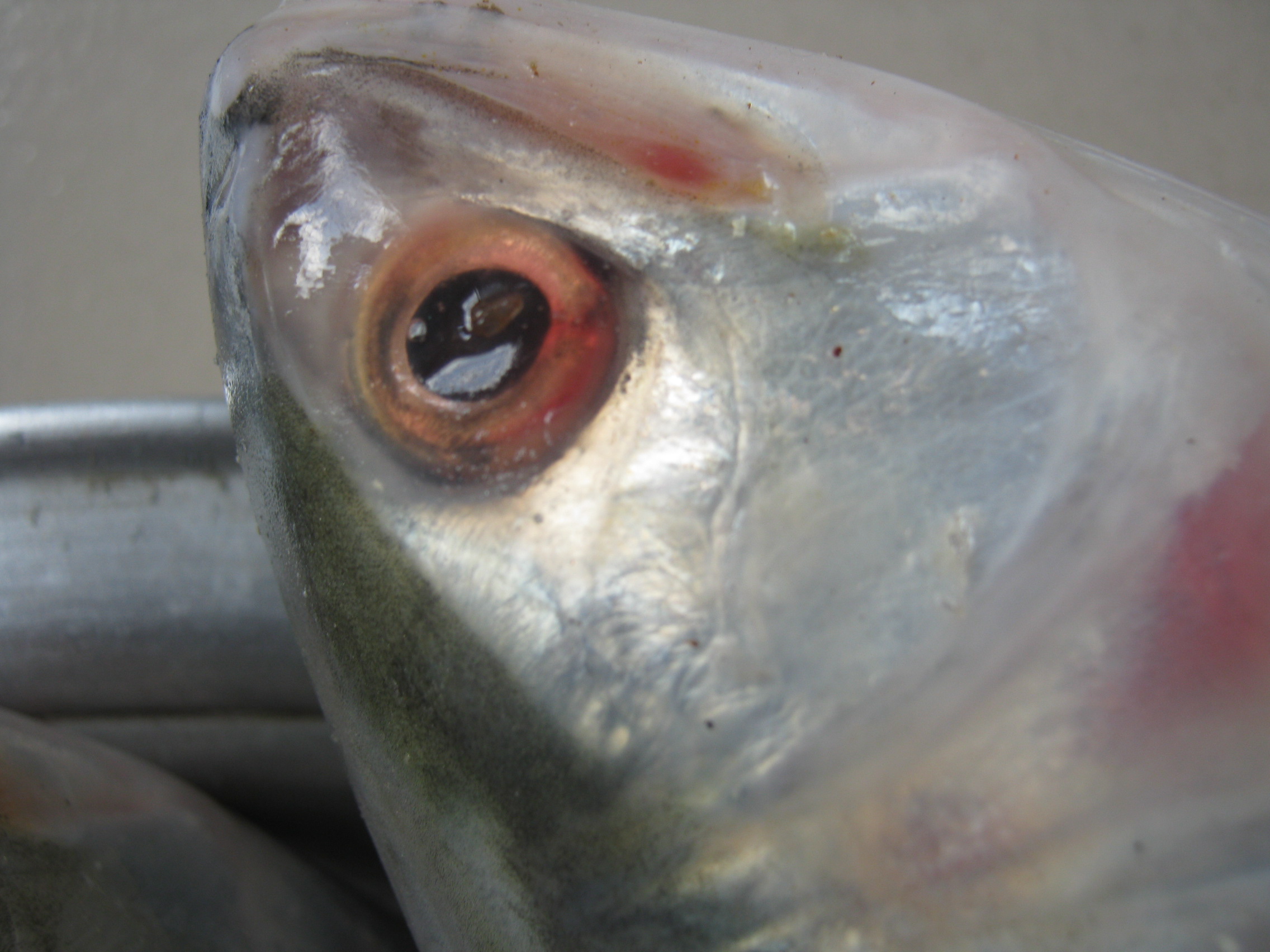
The National Consumer Rights Protection Directorate seized 350 kg of rotten hilsa from a fishing trawler that had come to Chandpur from Monpura in Bhola. The drive took place on the afternoon of Wednesday, 29 October 2025, beside the town's wholesale fish market, with help from the Bangladesh Army. The trawler's owner was fined Tk 1 lakh in cash for keeping the rotten fish, and the seized hilsa was destroyed by burying it.
What the drive found
The drive was led by Mohammad Abdullah Al Imran, assistant director of the directorate's Chandpur office. He told Jagonews24 that several trawlers were searched and a large quantity of rotten hilsa was found on one of them. The state news agency BSS reported the same day that the drive was held at the Chandpur fish landing centre, that the hilsa had been brought from Monpura for sale, and that the seized fish weighed an estimated 330 to 350 kg. According to BSS, kerosene was poured over the fish before it was buried.
The assistant director said a local fish trader paid the fine on the owner's behalf. Every trader present was given a verbal warning. The published reports carried no statement from the trawler's owner. Farhana Akter Ruma, representing the district fisheries office, leaders of the Chandpur fish traders' cooperative and army personnel were present. The official said such drives would continue in the public interest.
Soft and rotten hilsa after the fishing ban
To protect mother hilsa, the government had banned catching, transporting, selling and storing hilsa across the country for 22 days, from 4 to 25 October 2025. Prothom Alo reported that the ban covered the main spawning season so that brood hilsa could release their eggs safely.
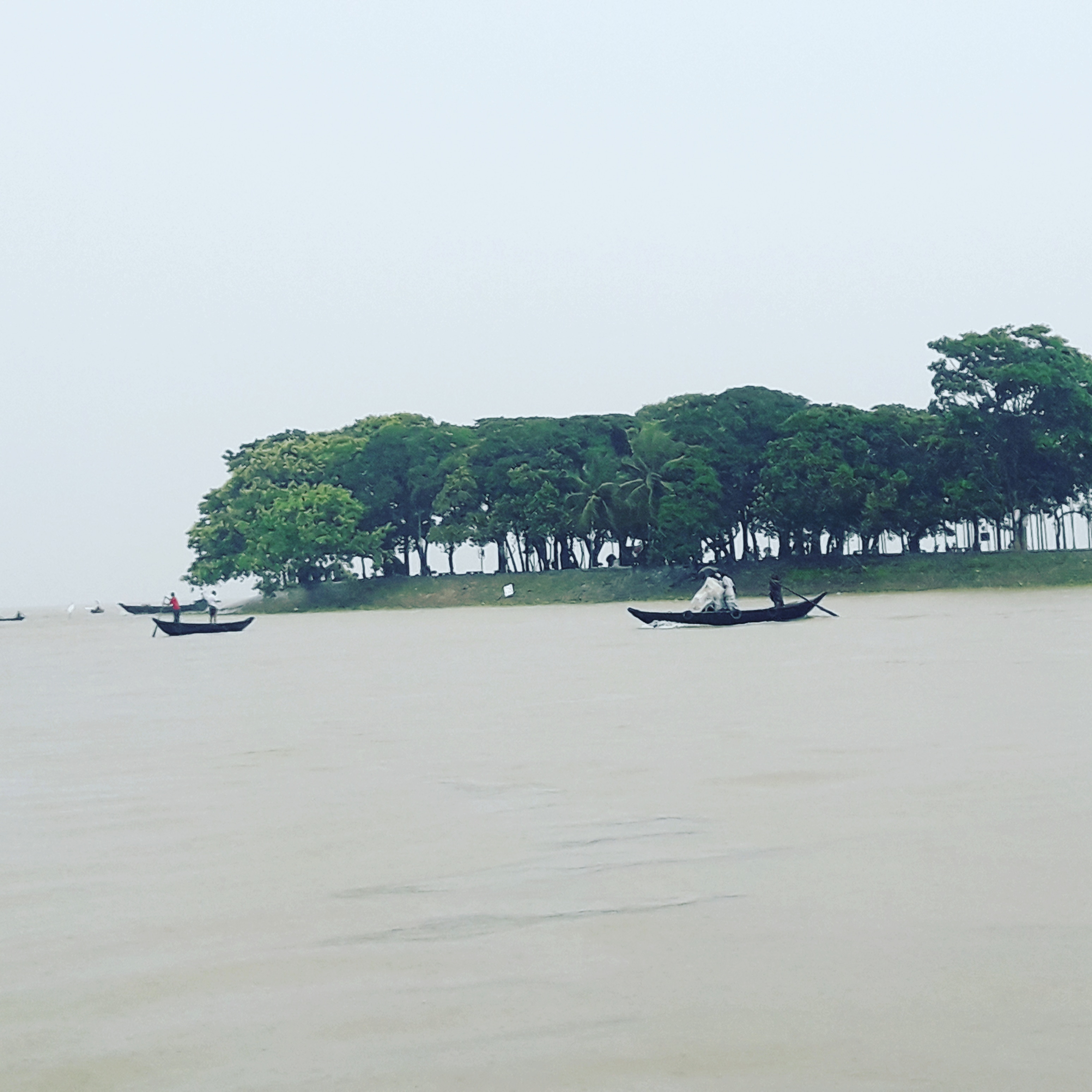
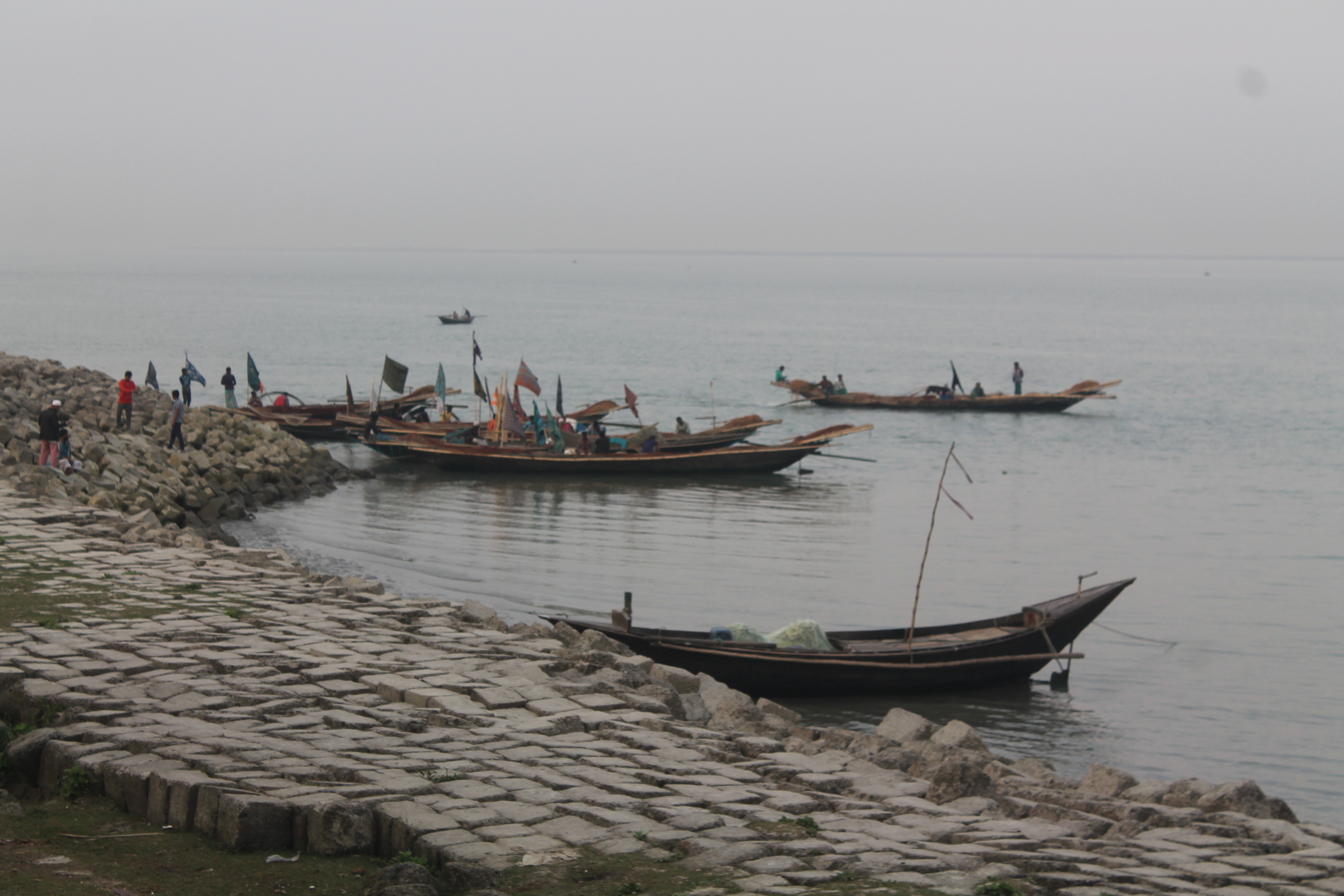
Jagonews24 reported at midday on 29 October that, for several days after the ban ended, large amounts of soft and rotten hilsa had been arriving at the Boro Station fish ghat in Chandpur. That morning, seven or eight large trawlers from the southern region were unloading iced hilsa that gave off a foul smell. Several traders, speaking on condition of anonymity, claimed that hilsa caught in coastal waters during the ban was being stored and shipped to the ghat. Some of them alleged that an earlier drive had destroyed only a little fish while the rest was sold. Deputy Commissioner Mohammad Mohsin Uddin said he had learned of the sale of rotten hilsa at the ghat and that action would be taken.
A day earlier, at midday on Tuesday, 28 October, the directorate fined a trader Tk 6,000 at the same ghat after finding a heap of inedible rotten hilsa at a wholesaler's stall; some of the fish was thrown into the river. According to the assistant director, the traders pledged not to sell such fish again. Rotten hilsa at this ghat after the ban was not new: in October 2022, The Daily Star Bangla had reported rotten hilsa arriving at Boro Station after that year's ban.
The law behind the directorate's fines
The directorate works under the Consumer Rights Protection Act, 2009 (Act No. 26 of 2009). Section 70 of the Act allows its director general or an authorised officer, when an offence against consumer rights has been committed, to take administrative action instead of filing a criminal case: imposing a fine, cancelling a trade licence, or suspending a business temporarily or permanently. A fine imposed this way may not exceed the maximum the Act sets for that offence, and no prison term can be imposed if it is not paid.
The published reports did not say under which offence section the Chandpur fine was imposed. Buyers who suspect rotten or unfit fish is being sold can complain to the directorate's district office.
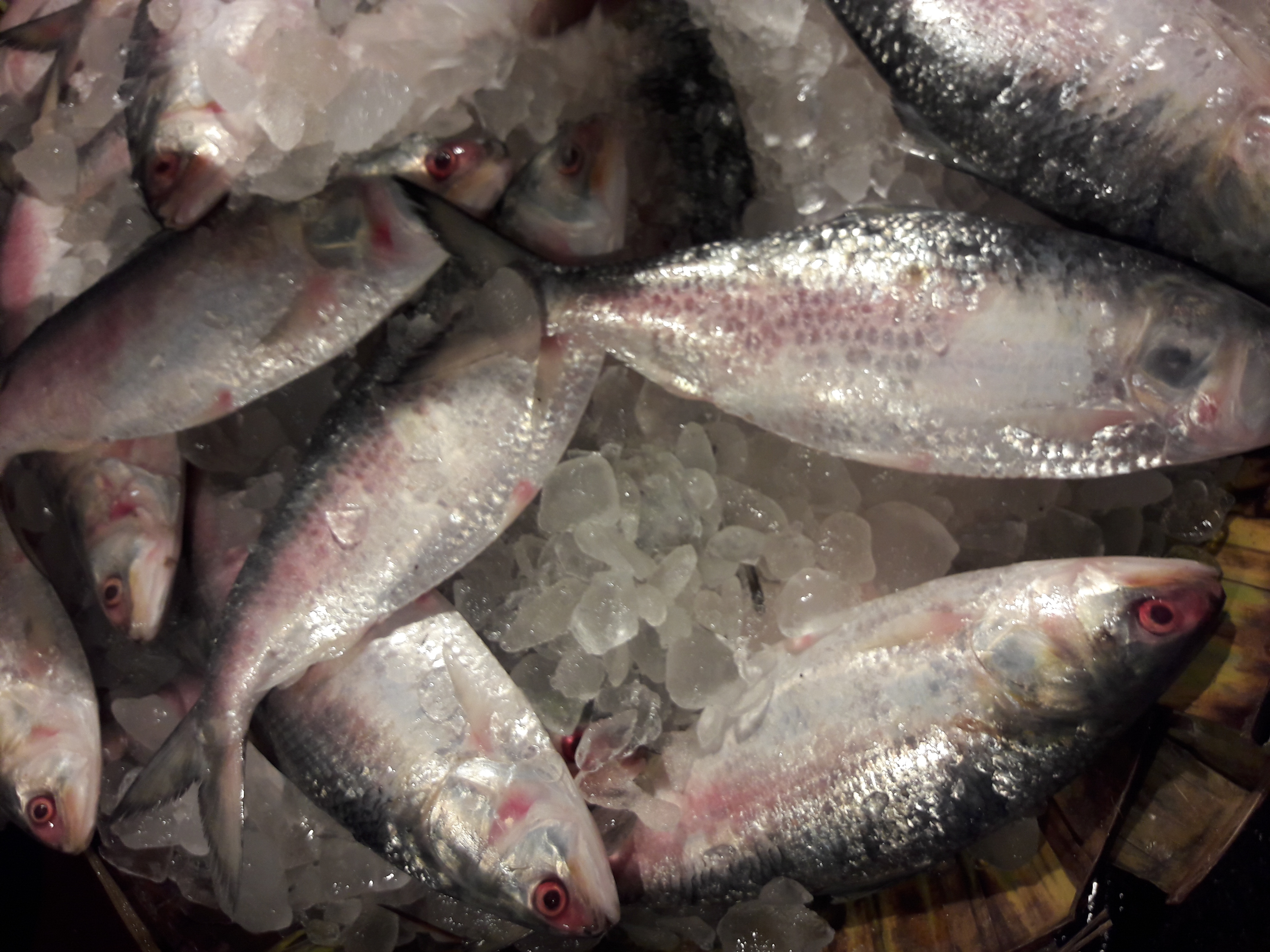
Photo: Rezowan / Wikimedia Commons (CC BY-SA 4.0)
Sources: Jagonews24, Bangladesh Sangbad Sangstha (BSS), Prothom Alo, The Daily Star Bangla, Consumer Rights Protection Act, 2009 (Laws of Bangladesh, Legislative and Parliamentary Affairs Division)

Comments
(0)