
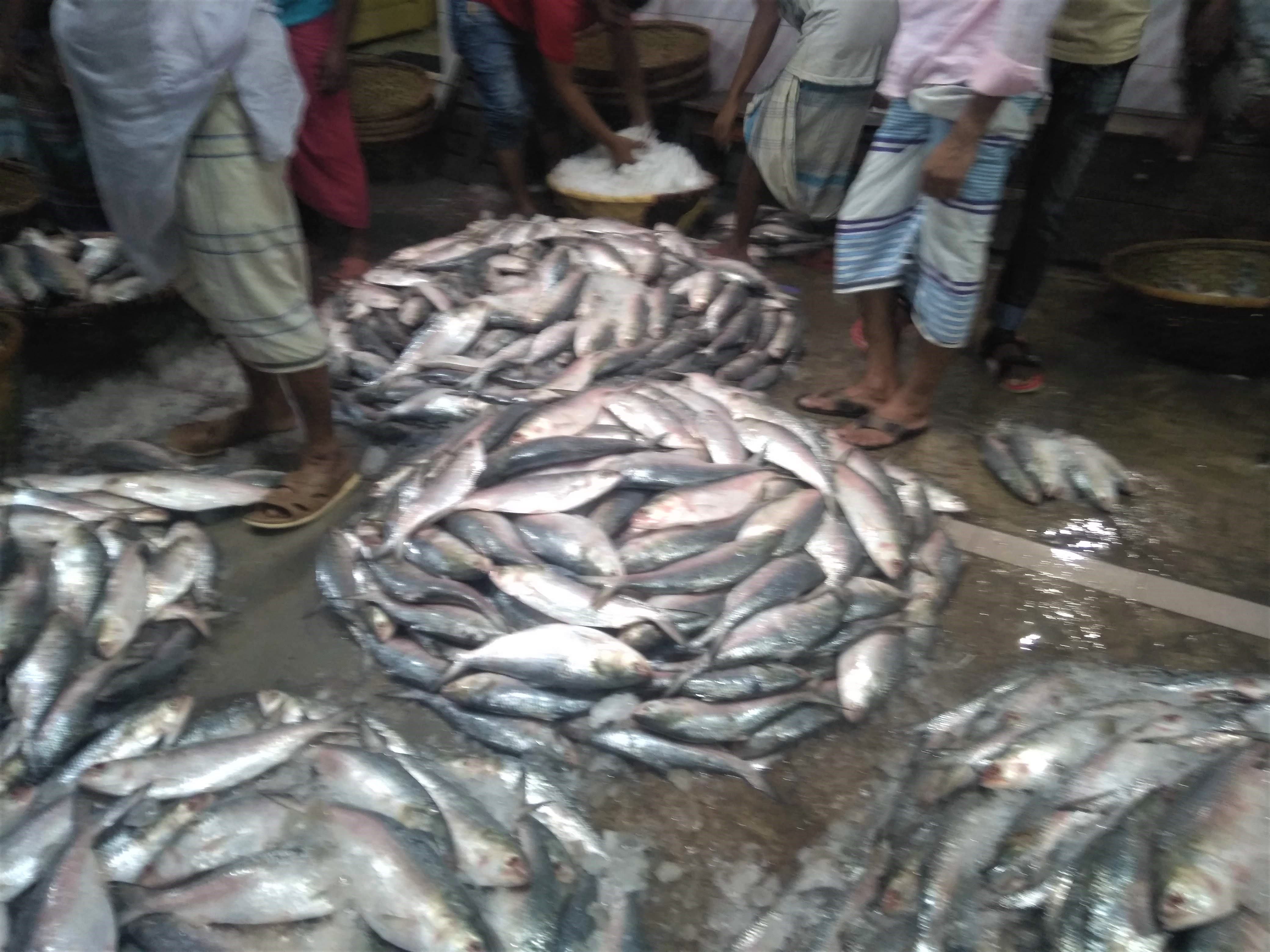
An upazila task force detained 11 fishers catching hilsa in the Meghna river sanctuary at Haimchar in Chandpur district on Sunday, 12 October 2025, in the middle of the 22-day ban that protects breeding hilsa. A mobile court then sentenced eight of them to 15 days' rigorous imprisonment each. The other three were minors and were handed over to their guardians on a bond.
The raid on the Meghna and the mobile court
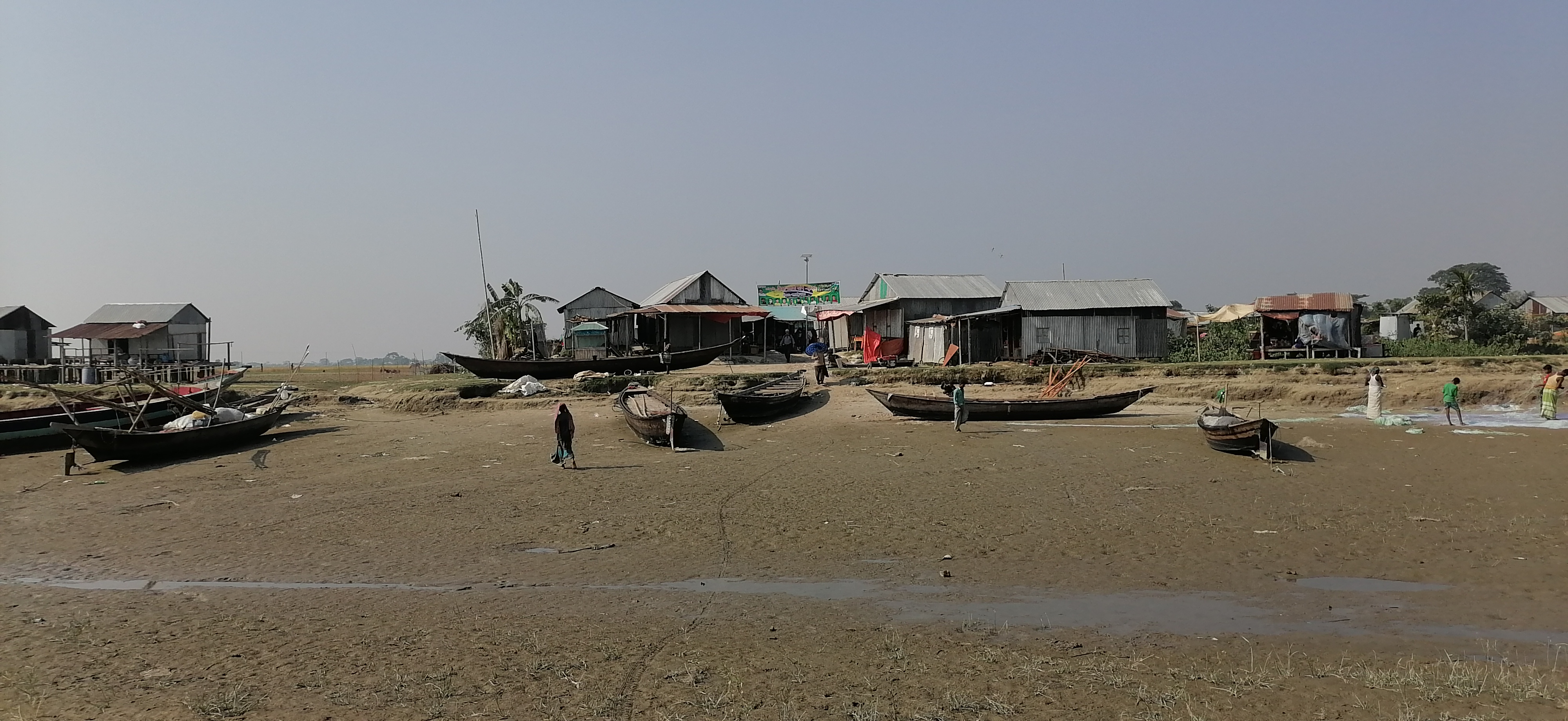
A.B.M. Ashraful Haque, the senior upazila fisheries officer of Haimchar, who led the drive, confirmed the details to Jagonews24 at around midnight. He said the task force patrolled the sanctuary from 5pm to 10pm and found the fishers illegally catching hilsa near Bartahabil in Haimchar upazila. The team gave chase and detained 11 people.
About 2,000 metres of current net, the banned fine monofilament gill net, was seized from the boat and burnt in the presence of a magistrate. The sentences were handed down by Haimchar's assistant commissioner (land), Swarup Muhuri, who conducted the mobile court at the Coast Guard's Nayani outpost.
Haimchar is an upazila of Chandpur district on the Meghna. It covers 134.16 square kilometres in six unions and had 124,833 people at the 2022 census.
A 22-day ban to protect breeding hilsa
On 29 September 2025 Fisheries and Livestock Adviser Farida Akhtar announced that catching, transporting, marketing and storing hilsa would be banned across the country from 4 to 25 October, the main breeding season. She said the decision was based on scientific research and that the 22 days were set to include the four days before the Ashwin full moon and the three days after the new moon. The ban began at midnight on 3 October.
According to the adviser, 620,000 fisher families in 165 upazilas of 37 districts were to receive 25 kg of rice each under the VGF food aid programme during the ban. She also said that the previous year's ban had allowed 52.5 per cent of mother hilsa to spawn safely.
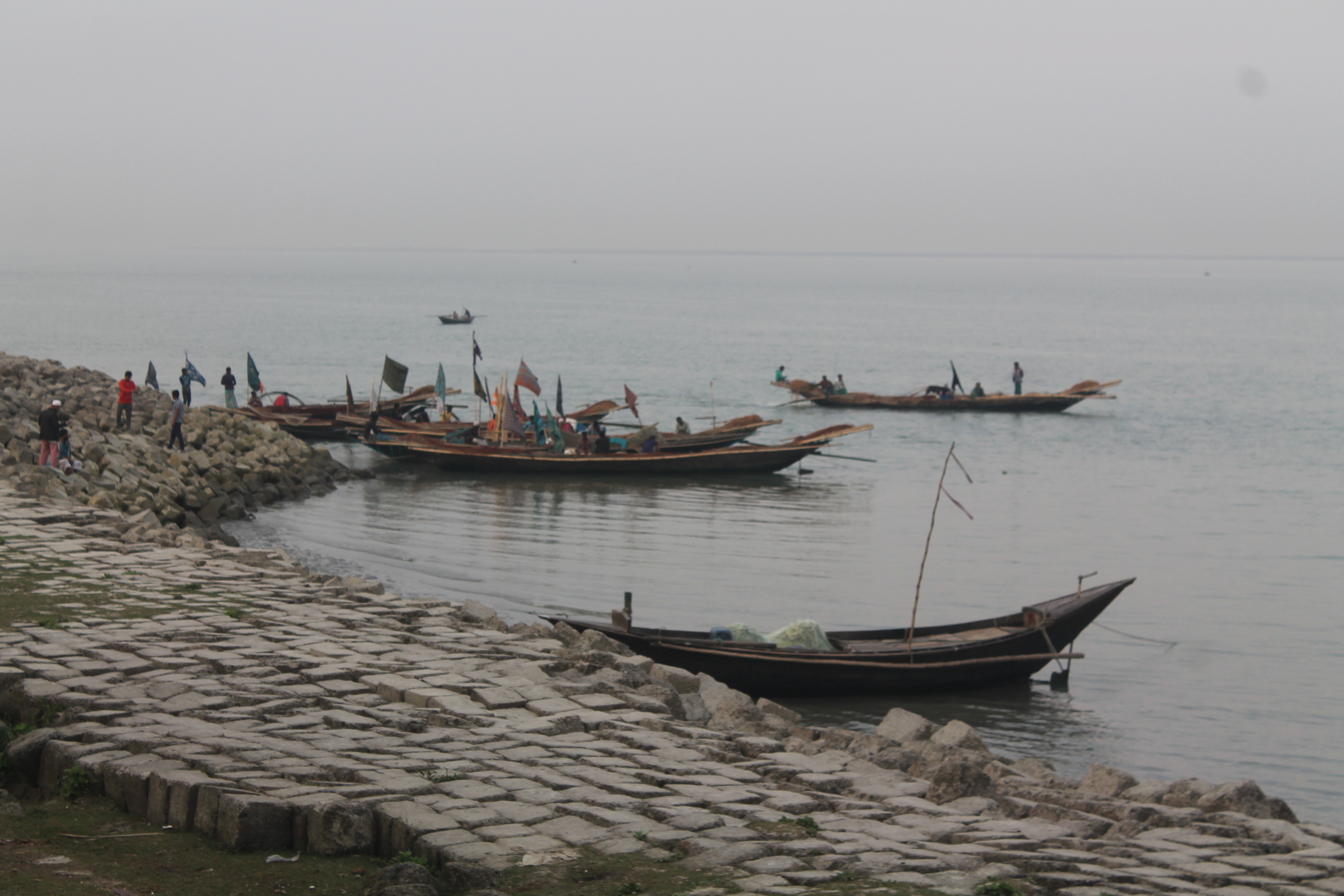
In Chandpur, the Bangladesh Sangbad Sangstha (BSS) reported on 2 October, the sanctuary covers about 70 km of the Padma and Meghna, from Shatnal in Matlab Uttar upazila to Char Bhairabi in Haimchar, and task forces had prepared to patrol it day and night. The district fisheries office counted about 43,000 registered fishers in the district.
What the law provides
The hilsa ban is issued under the Protection and Conservation of Fish Act, 1950. BSS reported that under the fisheries law, catching hilsa in defiance of the ban was punishable by up to two years in prison, a fine of up to Tk 5,000, or both. Carrying, keeping or using current nets is a separate offence under the same Act.
Before the ban, Chandpur's deputy commissioner, Mohammad Mohsin Uddin, told fishers that catching mother hilsa in the breeding season would seriously harm future production, and that the ban was meant to protect their own future.
The hilsa is Bangladesh's national fish and was registered as a geographical indication (GI) product of Bangladesh in 2017. It migrates from the sea into fresh river water to spawn, which is why river sanctuaries are protected in the breeding season.
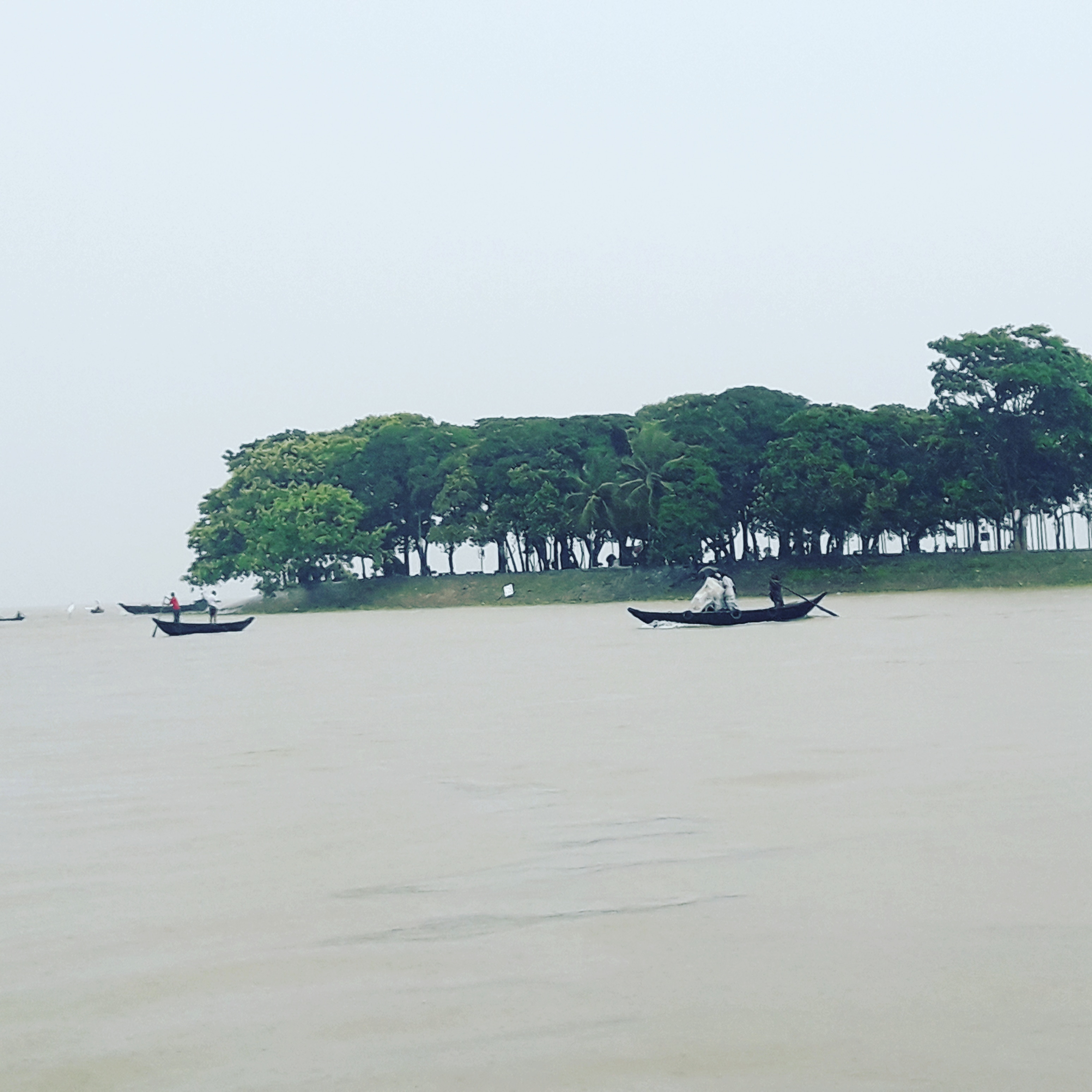
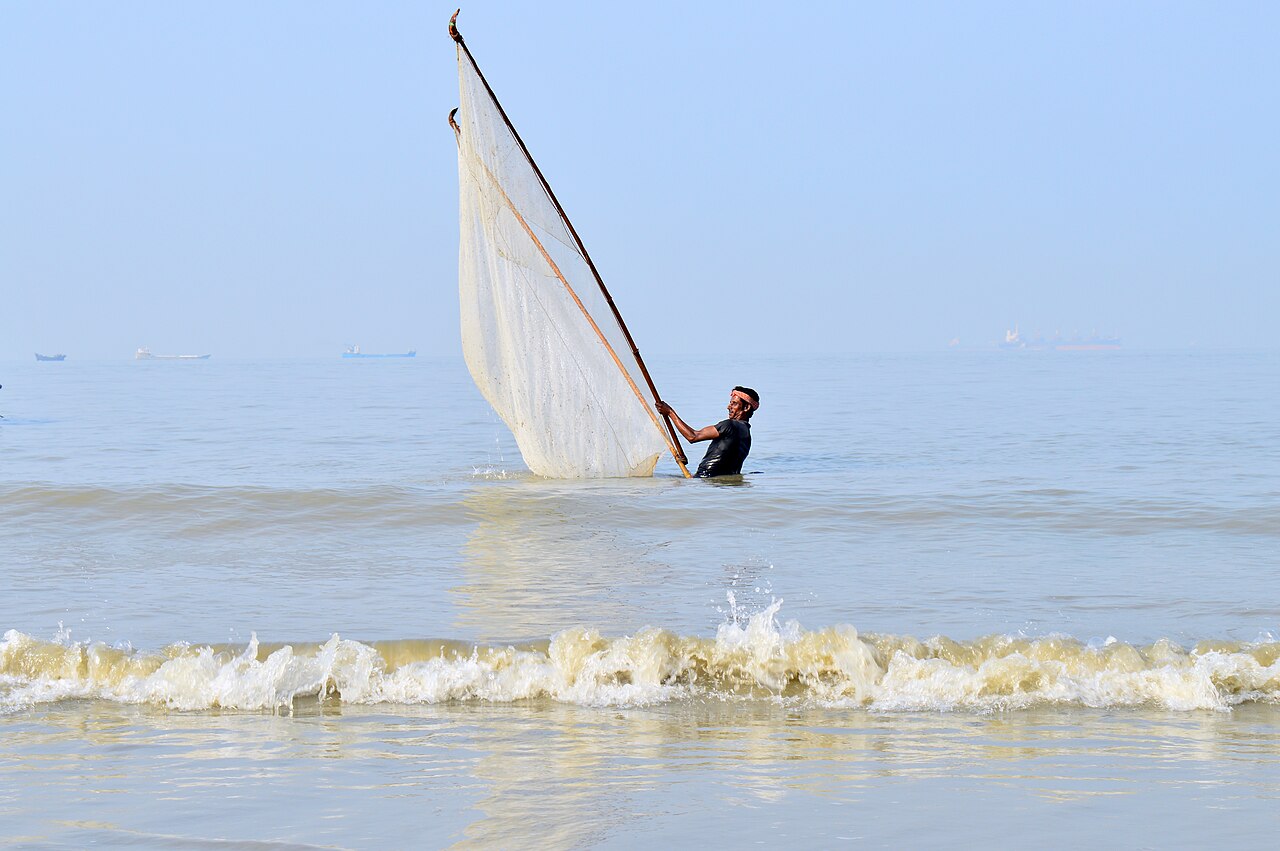
Photo: Nahid Sultan / Wikimedia Commons (CC BY-SA 4.0)
Sources: Jagonews24, Bangladesh Sangbad Sangstha (BSS), Prothom Alo, The Business Standard, Laws of Bangladesh (Protection and Conservation of Fish Act, 1950), Wikipedia (Haimchar Upazila; Ilish)
Comments
(0)