
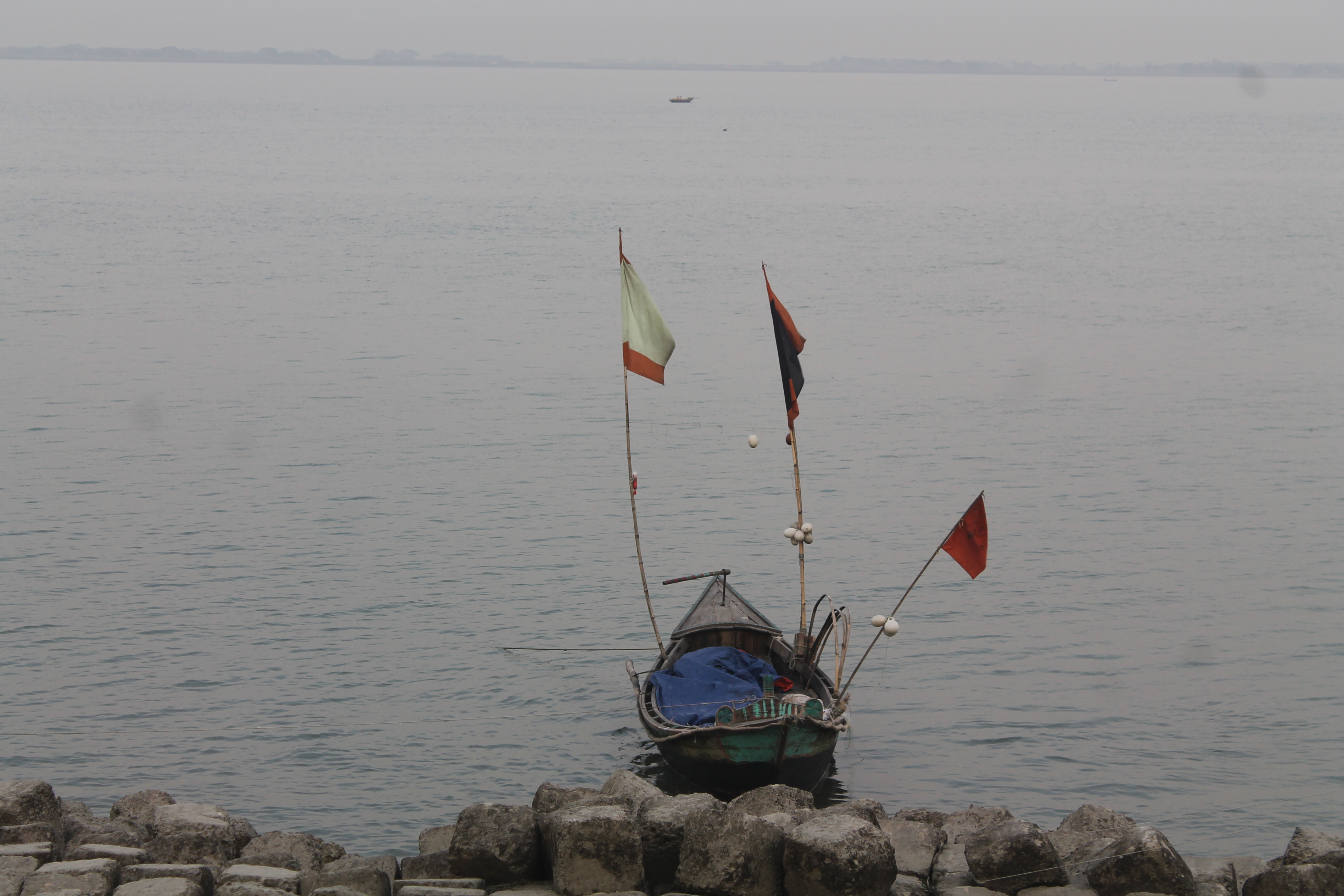
River police in Chandpur detained 24 fishermen accused of catching hilsa in defiance of the breeding-season ban. A special river police task force carried out the drive on the Meghna from 1:30am until dawn on Saturday, 11 October 2025. Imtiaz Ahmed, assistant superintendent of police for the river police's Chandpur region, confirmed the figures at noon that day.
A night drive on the Meghna and Padma
According to Imtiaz Ahmed, patrols covered several points on the Meghna and Padma rivers. Twenty-one people were detained with boats and nets in five cases at Chandpur river police station, and three in two cases at the Harinaghat river police outpost. Legal action against them was, in his words, under way at the police stations concerned. The day's reports gave no court decision, sentence or fine for any of those held.
The drive was led by the river police's additional DIG (Operations), Probir Kumar Roy. With him were Syed Moshfiqur Rahman, superintendent of the river police's Chandpur region; district fisheries officer Sribas Chandra Chanda; Sadar upazila assistant commissioner (land) Bappi Dutta Roni; Chandpur Sadar senior upazila fisheries officer Mirza Omar Faruk; and members of the Coast Guard's Chandpur station and the river police.
Afterwards Probir Kumar Roy said the river police were working to make the government's 22-day mother hilsa conservation campaign a success, and that anyone catching hilsa during the ban would face strict legal action taken jointly by the district administration, river police, Department of Fisheries, Coast Guard and local administration. "Our aim is to protect mother hilsa and secure a sustainable hilsa resource for future generations," he said.
The 4 to 25 October ban
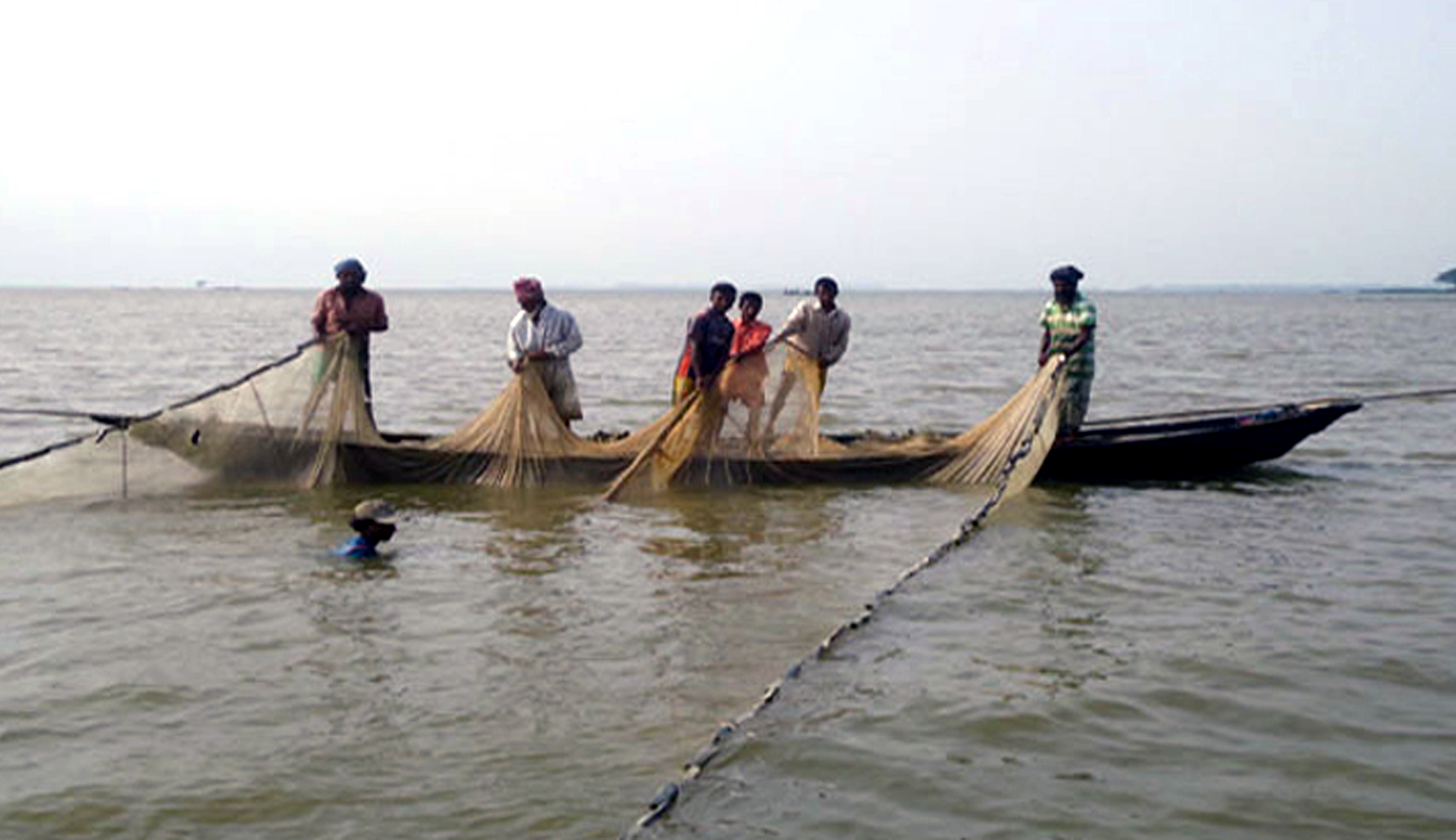
In 2025 the Ministry of Fisheries and Livestock banned catching, transporting, marketing and storing hilsa nationwide for 22 days, from 4 to 25 October. Fisheries and Livestock Adviser Farida Akhter announced the decision at a press conference. The Daily Star reported that the window was chosen from scientific assessments of the main breeding season, so that brood hilsa could spawn safely. Under the ministry's circular, the ban took effect at midnight on 3 October.
Fisheries officials were to enforce it with the navy, air force, Coast Guard, river police and other law enforcement agencies. To support fishers who lost work, the government said 620,140 fishing households in 165 upazilas of 37 districts would each receive 25kg of rice under the Vulnerable Group Feeding (VGF) programme.
Citing research by the Bangladesh Fisheries Research Institute (BFRI), The Daily Star reported that the 2024 ban had enabled 52.5% of brood hilsa to spawn safely, adding an estimated 44.25 billion juvenile hilsa (jatka) to the population.
Chandpur and the hilsa sanctuary
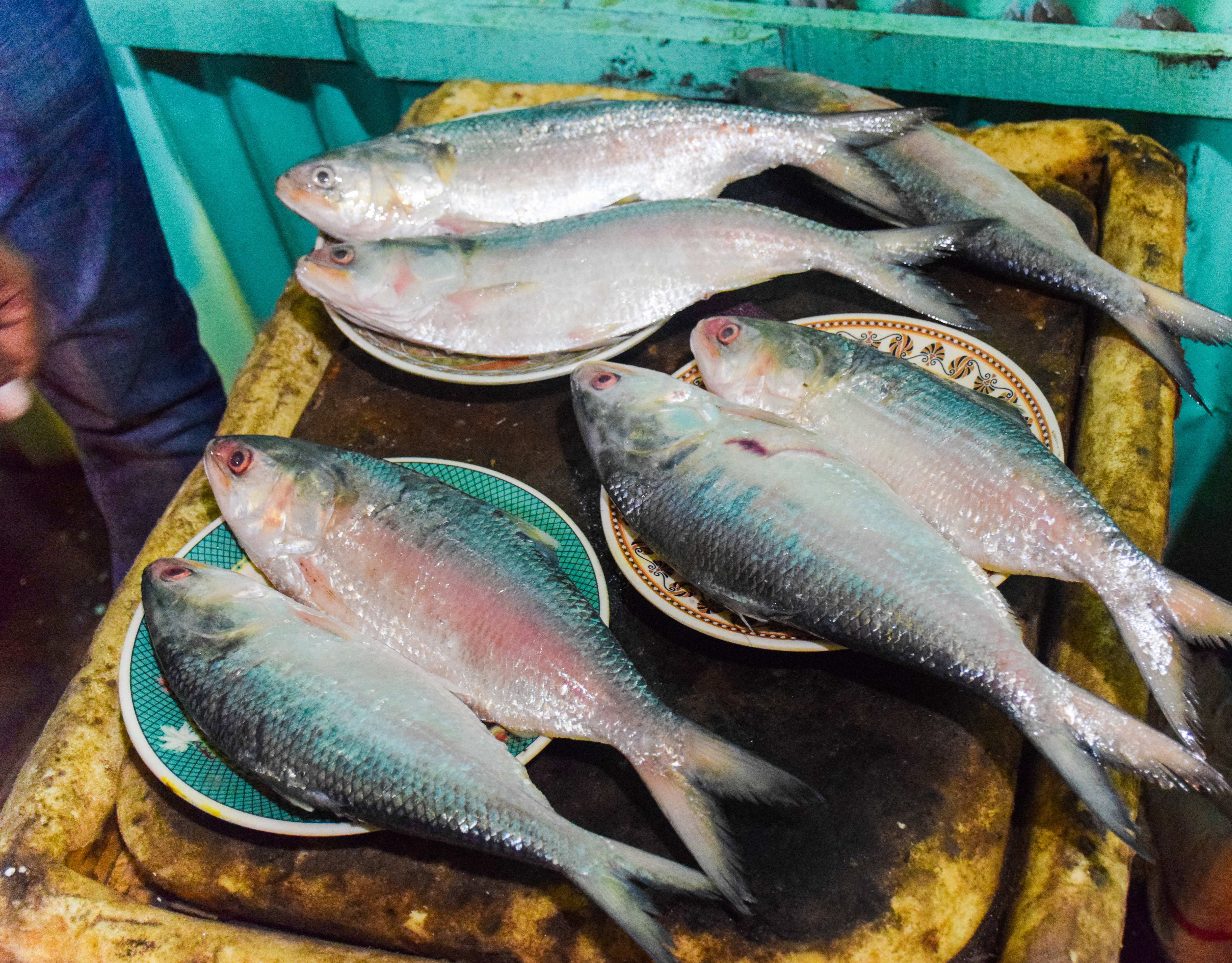
Chandpur is a district in Chattogram Division at the confluence of the Padma, Meghna and Dakatia rivers, and is known as the "Home of Hilsa" for its large hilsa catch and trade. A 100km stretch of the Meghna, from Alexander in Ramgati, Lakshmipur, to Shatnol in Chandpur, is a declared hilsa sanctuary.
Hilsa is the national fish of Bangladesh. It schools in coastal waters and swims up rivers to spawn, which is why the rivers are closed to fishing while the brood fish breed.
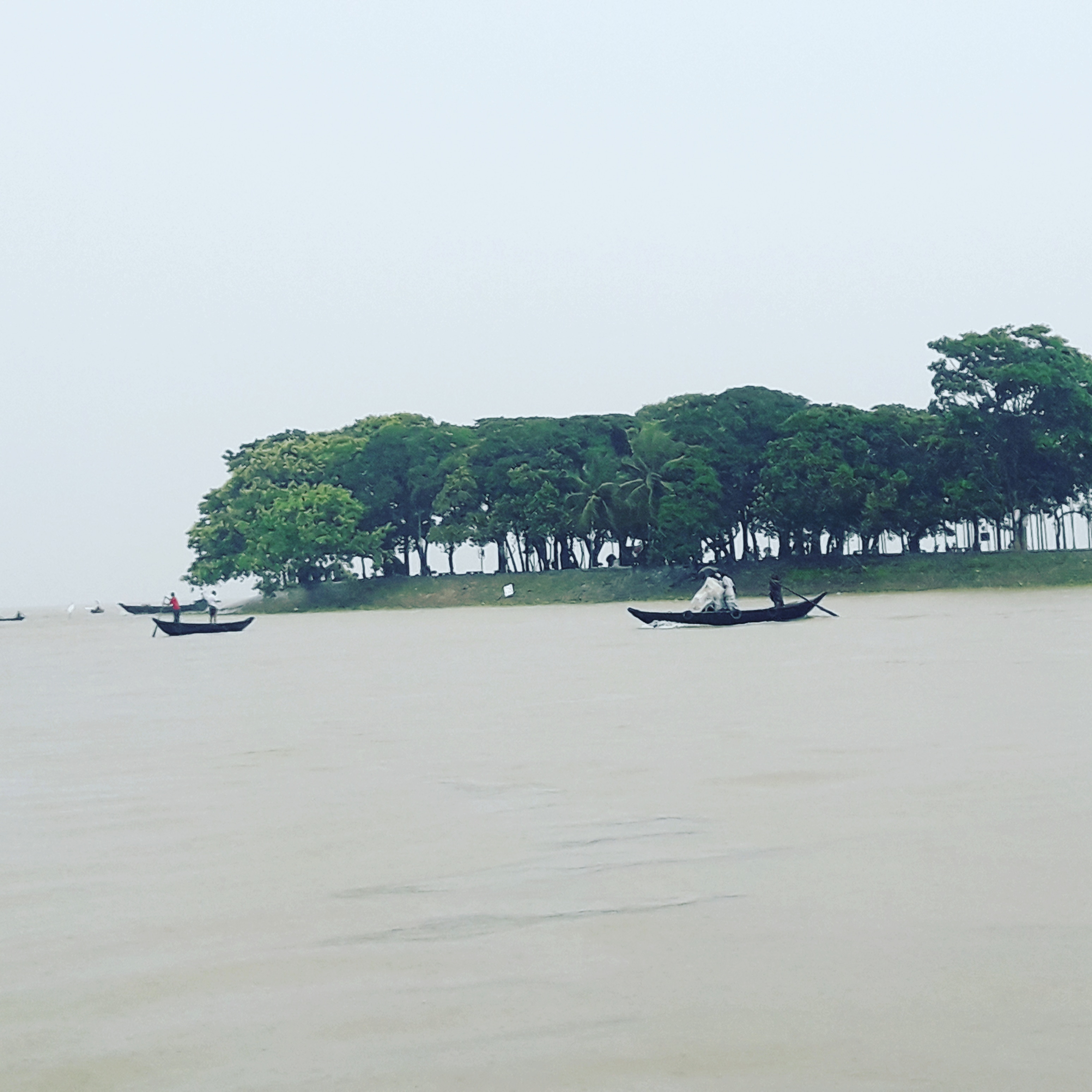
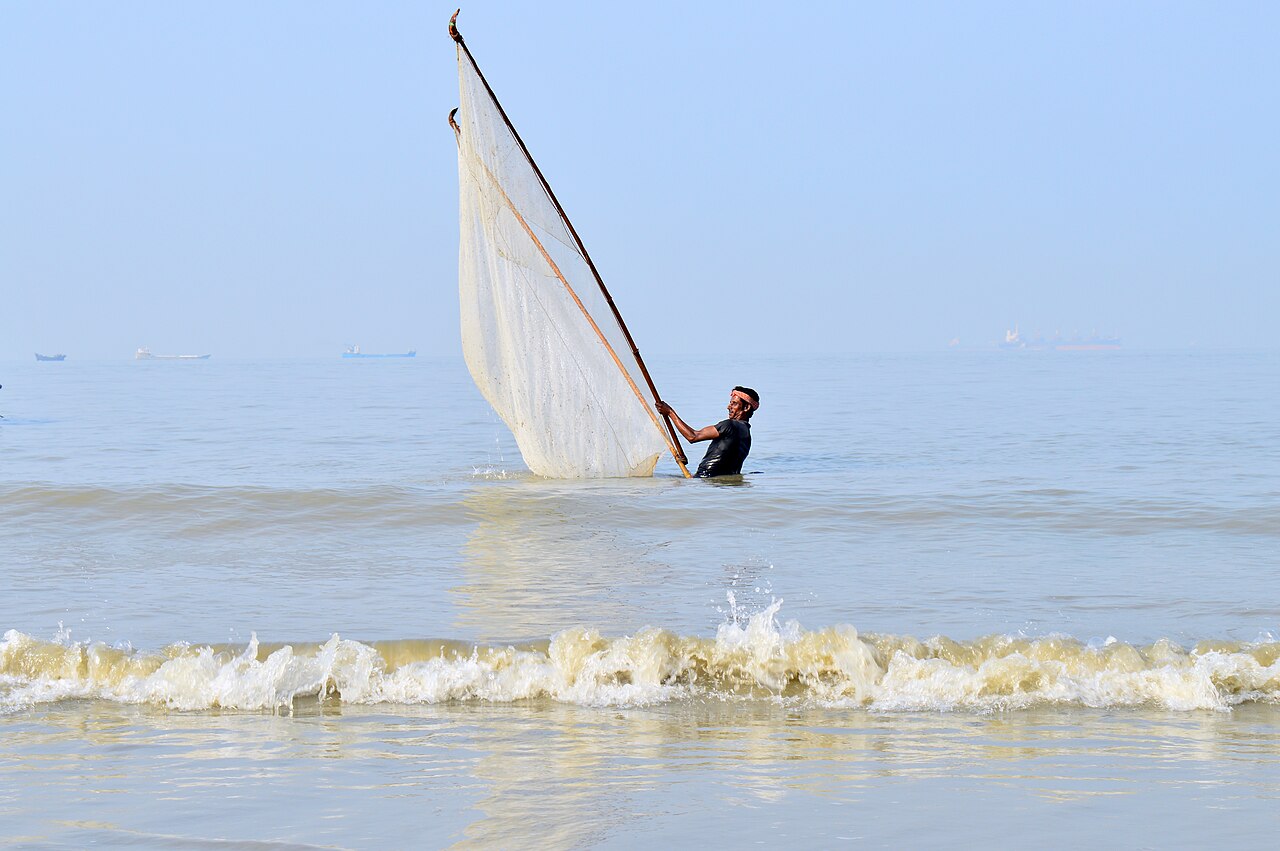
Photo: Nurunnaby Chowdhury (Hasive) / Wikimedia Commons (CC BY-SA 4.0)
Sources: Jagonews24, Chandpur Times, The Daily Star, The Business Standard, Prothom Alo, Wikipedia
Comments
(0)